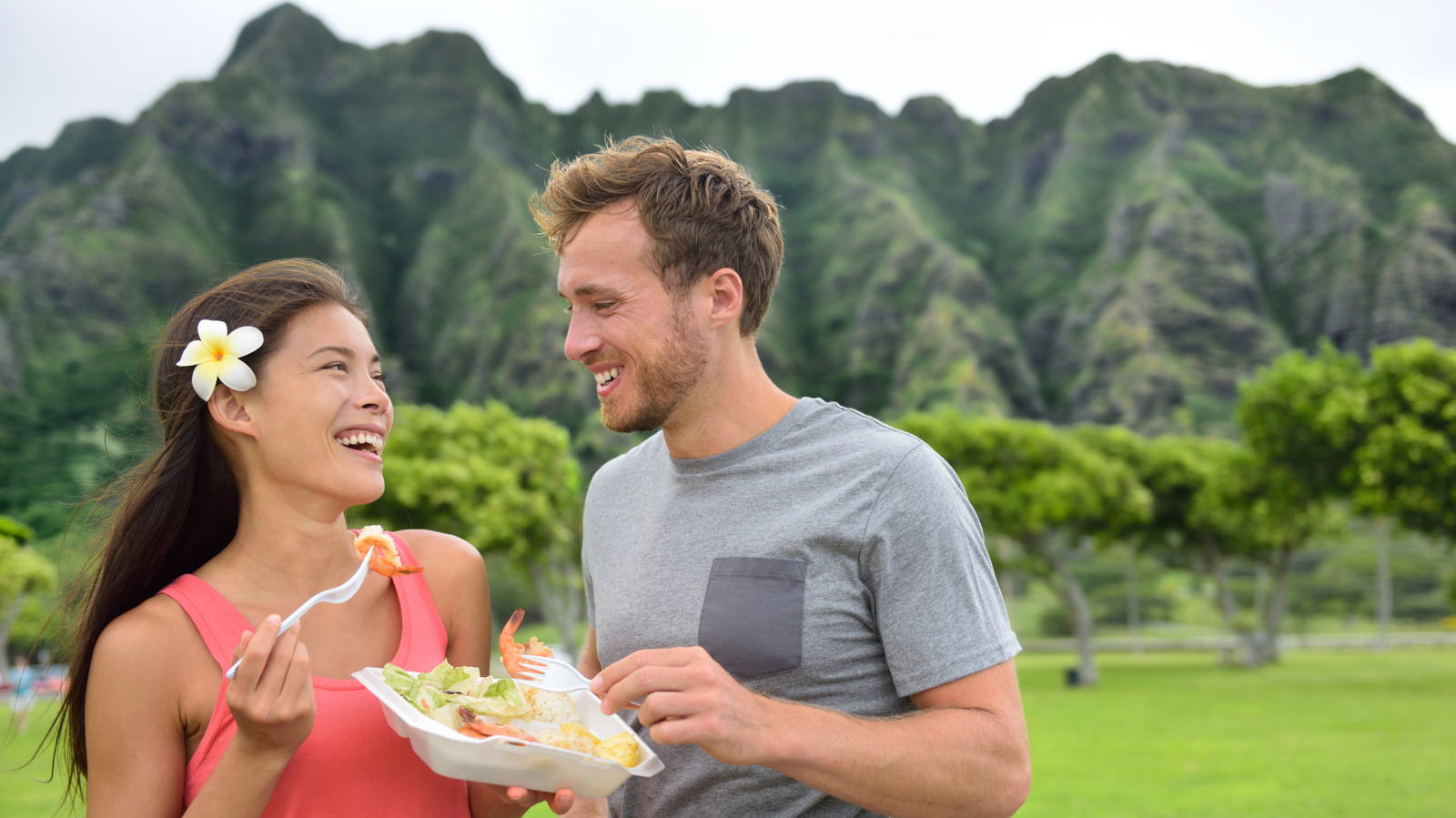
Islands reported this week on the unspoken rules that separate respectful visitors from the crowd at Hawaiian restaurants, highlighting how assumptions about pace, dress, and terminology can offend local culture within minutes of sitting down.
The report identifies five common missteps: rushing “island time,” arriving in beachwear, requesting substitutions on traditional plates, mishandling a lei, and conflating “Hawaiian” with “local” cuisine. Each reflects a deeper gap between mainland expectations and the islands’ distinct cultural protocols.
“Local food is not diet food,” says Onolicious Hawaii, a blog cited by Islands that covers the local food scene. The outlet notes that asking for substitutions disrupts what Hawaiians call “the perfect bite” — the intended balance of flavors in dishes like the plate lunch, which arrives as two scoops of rice, one scoop of macaroni salad, and a protein on a single plate.
Dress codes catch many visitors off guard. While Hawaii is synonymous with beachside ease, Islands reports that most restaurants enforce standards requiring covered attire and footwear. Showing up in swimwear or bare feet often leads to refusal at the door, a surprise for tourists who equate the tropics with total informality.
Pace is another friction point. Service unfolds on “island time,” a rhythm built for conversation and connection rather than turnover. Visitors accustomed to a “New York Minute” cadence frequently misread the slower tempo as inattention, when it is actually a cultural priority.
Lei protocol carries spiritual weight. Accepting a lei with a slight bow and keeping it on in the giver’s presence signals gratitude; removing it for a photo op reads as dismissal. Tradition also dictates that a lei be returned to the land after the event, not tossed in the trash.
Perhaps the most consequential error is linguistic. “Hawaiian” refers specifically to Indigenous Kānaka ʻŌiwi ancestry and heritage dishes such as poi, laulau, and kalua pig. “Local” describes anyone born or living in the islands and the multicultural fusion cuisine that emerged from plantation history — Spam musubi, loco moco, shave ice. Conflating the two erases Indigenous identity and the distinct immigrant communities that shaped modern Hawaii.
Being Hawaiian is based around ancestry as well as ethnicity, whereas anyone who lives on or was born on the islands can be referred to as a local.
Islands
Understanding these distinctions, Islands concludes, is the quickest way to move from outsider to welcomed guest.
Keep reading

NH Trooper Applied for Police Job Weeks After Signing Plea Deal to Leave Law Enforcement
New Hampshire State Trooper James Lamoureux applied for a police job in Massachusetts two weeks after signing a...
No. 8 Iowa plays Montana State Thursday at Carver-Hawkeye Arena
No. 8 Iowa returns to Carver-Hawkeye Arena Thursday night at 7 p.m. CT to host Montana State in...

Las Vegas Man Pleads Guilty to Armed Carjacking Spree, 120 MPH Chase Across Southern Nevada
A Las Vegas man pleaded guilty to two armed carjackings and a federal firearms charge, admitting he and...

Cynthia Erivo Says James Bond Theme Is Her Dream at Lincoln Center Benefit
Cynthia Erivo stood barefoot in a burgundy floral-motif gown at Lincoln Center on Monday night and told a...