
On November 27, 2026, Hartford HealthCare published a guide offering seven creative ways to use Thanksgiving leftovers beyond the standard turkey sandwich, featuring advice from Dr. Ulysses Wu on turning holiday meals into balanced dishes.
Hartford HealthCare reported that by the third day of eating traditional Thanksgiving foods, many people are ready for something different. The guide suggests that leftover turkey can be used in tacos, burrito bowls, or poke bowls. For these meals, the turkey is shredded and reheated with spices like cumin and chili powder, then served with vegetables and whole-grain tortillas. “Turkey is a good source of protein, which helps you feel full and supports muscle health. I always recommend mixing the white and dark meat together, for the best flavor with a strong nutritional profile,” Dr. Wu said.
She added that pairing the turkey with fiber-rich ingredients creates a more complete meal.
According to the guide, leftover mashed potatoes can be repurposed for breakfast. Mixing them with an egg, chopped spinach, and a little whole-wheat flour forms patties that can be cooked in a skillet.
“Potatoes provide potassium and carbohydrates that give you energy,” Dr. Wu said. The guide said that if the mashed potatoes already contain butter or cream, little extra fat is needed for reheating. Serving the patties with a poached egg or fruit adds balance to the meal.
Stuffing Becomes Breakfast Casserole with Eggs and Spinach
A stuffing breakfast casserole is another option presented in the guide. Leftover stuffing is combined with whisked eggs, spinach, and milk, then baked at 350°F until the center reaches 165°F. “Stuffing is made from bread, so adding eggs and vegetables helps round out the meal,” Dr. Wu explained. The guide said that stuffing often contains onions, celery, and herbs, which provide a flavor head start.
Vegetable Soup and Cranberry Yogurt Use Small Leftover Portions
For small portions of various sides, the guide recommended making a turkey and vegetable soup. This dish combines leftover vegetables, low-sodium broth, white beans, and shredded turkey. The guide added that blending some of the vegetables and beans into the broth can create a creamy version without adding cream, and that wild rice or brown rice can make the soup heartier.
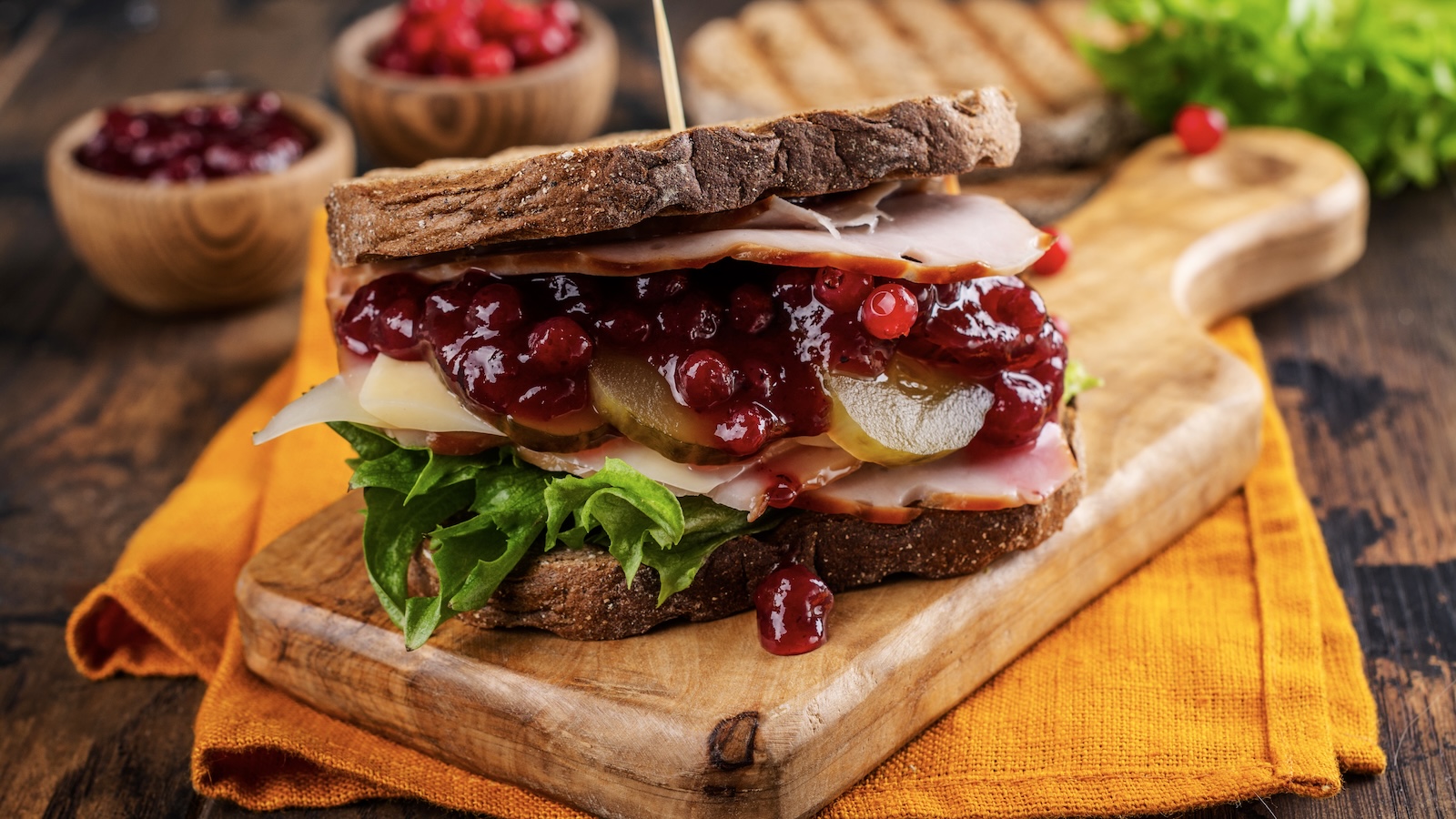
Leftover cranberry sauce can be used in breakfast yogurt or as a salad dressing. The guide suggested swirling a spoonful of cranberry sauce into plain Greek yogurt and topping it with walnuts and oats. For a salad dressing, the sauce can be whisked with balsamic vinegar and olive oil. “Cranberries contain antioxidants, but traditional cranberry sauce can also have quite a bit of added sugar,” Dr. Wu said.
Experts promote leftover nutrition
“Thanksgiving leftovers can actually make healthy meal planning easier,” Dr. Ulysses Wu of Hartford HealthCare said. She explained that combining pre-cooked foods with fresh ingredients like vegetables and whole grains helps transform a heavy meal into something balanced. Dr. Wu emphasized that this approach saves cooking time while boosting nutrition.
Dr. Wu also highlighted the nutritional benefits of specific leftovers. She said that sweet potatoes provide vitamin A, potassium and fiber. For soups, she described vegetables as a source of vitamins and fiber, while beans contribute additional fiber and plant-based protein to create a filling meal.
Black Beans and Greens Boost Fiber in Leftover Meals
Adding black beans, tomatoes and leafy greens to leftover dishes increases fiber, vitamins and minerals with minimal extra effort. This combination enhances the nutritional profile of meals made with Thanksgiving leftovers.
This information helps readers understand the health trade-offs when using leftover cranberry sauce in recipes like yogurt or salad dressings.
Safe Food Handling for Leftovers
A practical detail for managing leftovers was included in the guide. “Refrigerate perishable leftovers within two hours and keep them at 40 degrees or colder,” Dr. Wu said. The guide specified that most cooked Thanksgiving leftovers should be eaten within three to four days or frozen. When reheating, the food must reach an internal temperature of 165°F.
Related reading
- Arkansas Flu Activity Jumps to High Level; Four Deaths, Hospitalizations, Absenteeism Rise
- Pizza Hut Co-Founder Dan Carney Dies at 95
- Ramona Singer Forgets to Start Oven, Delays Thanksgiving Turkey (archyde.com)
- NPR Reported Storm Knocked Out Power for Nearly a Million by Thanksgiving (world-today-news.com)

Arkansas Flu Activity Jumps to High Level; Four Deaths, Hospitalizations, Absenteeism Rise
Arkansas flu activity climbed to high for the week ending November 21, pushing the state to a 10...

Pizza Hut Co-Founder Dan Carney Dies at 95
Dan Carney, who opened a 500-square-foot Pizza Hut in Wichita, Kansas, in 1958 with a $600 loan from...

Man Arrested After Threatening National Guard Center, Fleeing Police Across Parishes
A Mississippi man was arrested Wednesday after allegedly threatening to shoot military personnel at a Louisiana National Guard...

North Florida Rallies to Beat South Dakota 74-65
North Florida rallied from a one-point deficit entering the fourth quarter to beat South Dakota 74‑65 on Friday...