
“She quietly stepped behind the stage” into a makeshift tent while the rest of us continued performing,” her daughter Mangala Bansode told BBC Marathi, recalling the night in the 1960s when Vithabai Narayangaonkar gave birth mid-show in Shikhar Shingnapur and returned cradling her newborn son.
More than two decades after her death in January 2002, the life of Maharashtra’s “Tamasha queen” is hitting Bollywood screens. Eetha, a musical directed by Laxman Utekar and starring Shraddha Kapoor, releases on 4 December. The film draws from Yogiraj Bagul’s Marathi biography, but its decision to rename the protagonist Vithabai Bhau Gavkar — dropping “Mang” and “Narayangaonkar” from her historic stage name — has ignited a debate over caste erasure versus artistic licence.
The name at the centre of the storm
“It erases the social location, struggle and resistance that shaped her remarkable journey, reducing an extraordinary artist’s story to a purely individual achievement,” said Pragya Daya Pawar, Marathi writer.
Pawar’s objection centres on the word “Mang”. Vithabai spoke openly about caste indignities, weaving them into her Lavani verses. A 1960s performance documented by historian Shailaja Paik captured her rebuking men for lewd gestures, reminding them she danced to earn a living, not to please them.
A daughter’s different calculus
Mangala Bansode, who spent years performing alongside her mother, sees the controversy differently. She does not dispute the historical weight of the name, but she measures the film by what it restores: visibility.
“The name doesn’t matter to me. I am simply proud that a film is being made about my mother,” Bansode said.
Bansode’s perspective is grounded in the material reality of Tamasha troupes. Vithabai refused film offers from Raj Kapoor and others because, as Bansode recounts, “Film fame, she felt, would benefit her alone, while her troupe supported some 50 families.” Fellow artists chipped in to bring her body home to Narayangaon.
From frontier performances to Diwali rain
Fame carried her beyond Maharashtra. During the 1962 war with China, she performed for soldiers in the North-East Frontier Agency (now largely Arunachal Pradesh) three months after giving birth, braving freezing conditions.
At a 1996 conference, she recalled meeting Mahar and Mang soldiers at the frontier: “Our Mahar-Mang soldiers were expected to fight and lay down their lives defending the nation, but the very same people would not even allow our bridegroom to pass through the village entrance.” The line encapsulates the contradiction she lived: celebrated on stage, excluded off it.
Audiences, however, treated her with tenderness. Bagul recounts a 1971 Diwali show in Mumbai where rain threatened cancellation. Spectators bought tickets anyway, calling the money their Bhau Beej gift — a festival honouring the sibling bond. When the downpour came, the crowd left chanting “Bhau Beej, Bhau Beej.” No one asked for a refund.
Kapoor trains with heavy anklets for Lavani role
Shraddha Kapoor, who had never performed Lavani before, trained with musical anklets weighing 4kg each.
At a promotional event she said, “The lives of Tamasha artists have been very tough, so in their dance you see pain as well as joy.” The preparation signals an attempt to embody the physical grammar of a form rooted in devotional poetry that evolved into a travelling mix of music, dance, comedy and drama, driven by the dholki beat.
That living tradition is still fighting the economics Vithabai knew. Marathi writer Pradnya Daya Pawar notes troupes spend nearly eight months a year on the road; performers struggle to feed and educate their children, and many remain indebted to private moneylenders despite government aid. Maharashtra has since instituted a lifetime achievement award in Vithabai’s name, and she successfully campaigned for state pensions for Tamasha artists — but the structural precarity endures.
Vithabai Narayangaonkar led the Bhau-Bapu Mang Narayangaonkar troupe from childhood, performing Lavani without formal training and earning the President’s award in 1957 and 1990. She toured the North-East Frontier Agency during the 1962 war with China, entertaining soldiers three months after giving birth.
At a 1996 conference she recalled meeting Mahar and Mang soldiers at the frontier, noting they were expected to die for the nation but barred from village entrances — a contradiction she voiced through caste-conscious Lavani verses.
Her significance rests on making Lavani a vehicle for caste resistance while sustaining a travelling troupe that supported some 50 families. She declined film offers from Raj Kapoor because fame would benefit her alone, and fellow artists later pooled money to bring her body home to Narayangaon.
What the release will test
Eetha arrives on 4 December, positioned to introduce Vithabai to a generation that never saw her perform. The tension it carries is not just about a name change; it is about whether a mainstream musical can hold the caste consciousness that made her Lavani politically legible, given the director’s decision to rename the protagonist Vithabai Bhau Gavkar instead of Vithabai Bhau Mang Narayangaonkar.

South Africans Can Visit Bali, Maldives, Seychelles, Thailand and Mauritius Visa-Free
South African passport holders can visit five popular tropical destinations without securing a visa before departure: Bali in...

US Disables Merchant Ship in Gulf of Oman, 15th Such Action Since April Blockade
The US military disabled a merchant vessel in the Gulf of Oman on Thursday, the 15th such action...
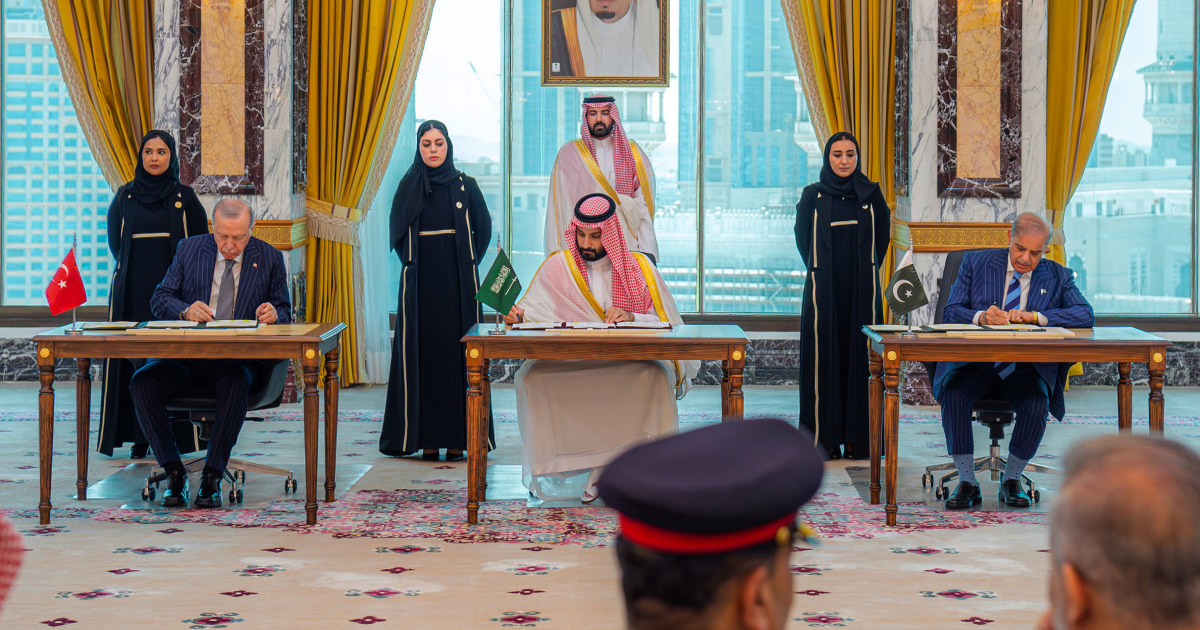
Pakistan, Saudi Arabia, Turkey Reaffirm Defense Pact Support Against Houthi Attacks
Pakistan, Saudi Arabia and Turkey formally activated their three-way defence pact on Friday, holding the first full committee...

Ex-Police Officer Beau Lamarre-Condon Guilty of Murdering Jesse Baird and Luke Davies
A New South Wales Supreme Court jury found former police officer Beau Lamarre-Condon guilty of murdering Jesse Baird...