About 70 cents of every Vermont property tax dollar goes to schools, leaving towns about 30 cents for roads, police, fire and town offices, according to the Tax Department’s annual property report.
- In 2025, property taxes assessed before credits totaled $2.4 billion statewide.
- Municipal taxes made up $730 million of that total.
- Town property taxes grew faster than inflation over the decade while effective rates per $1,000 of value fell.
- The Vermont League of Cities and Towns released its 2027 legislative priorities focused on the town share.
Over the decade, national consumer prices rose about 36 percent. School property taxes roughly kept pace. Town property taxes grew well beyond that, the Tax Department’s annual property report shows. School taxes still added more dollars — $460 million over the decade compared with $270 million for town taxes.
The Vermont League of Cities and Towns argues towns lean on property taxes because state law gives them few other ways to raise money. Its 2027 priorities leave school spending off the list and focus on the municipal share. About 40 towns already charge a 1 percent local option tax on sales, meals, rooms or alcohol.
VLCT wants to let towns add one more percentage point. The league also seeks a cut of state taxes collected in town — a share of land gains, property transfer and cannabis taxes sent back to the town where the sale happened.
Every town must keep property values current for the state’s education tax. The state pays towns $8.50 per parcel a year to keep property lists up to date. VLCT says the state isn’t covering its full share. Towns collect the state’s education tax on the same bill as the town tax. It wants the state to offer towns interest-free loans in the meantime.
VLCT also seeks state help with roads and bridges, including new funding and a revolving loan fund. On housing, it wants fewer permit appeals, less overlapping permitting, and a narrower three-acre rule that requires a state stormwater permit for properties with three or more acres of pavement and roofs.
VLCT wants town roads and residential neighborhoods left out of it. A permanent way to pay for emergency dispatch is sought for the budget year that begins July 2028.
An extra meals tax is paid by people who eat out. The Legislature convenes Jan. 6.
Worth a look

Federal Judge Permanently Bars Austin From Reasserting Authority Over 170 Properties Near Bee Cave Armory
A federal judge permanently barred Austin from reasserting development authority over about 170 properties near the Bee Cave...

NYC Startups Raised $31.1 Billion in Venture Capital in 2025
New York City startups raised $31.1 billion in venture capital during 2025, an increase of $6.2 billion over...

URI Researchers Combine EEG, fNIRS in VR to Map Parkinson’s Effects
Researchers are combining scalp EEG with near-infrared spectroscopy inside a virtual-reality headset to capture how Parkinson’s disease reshapes...
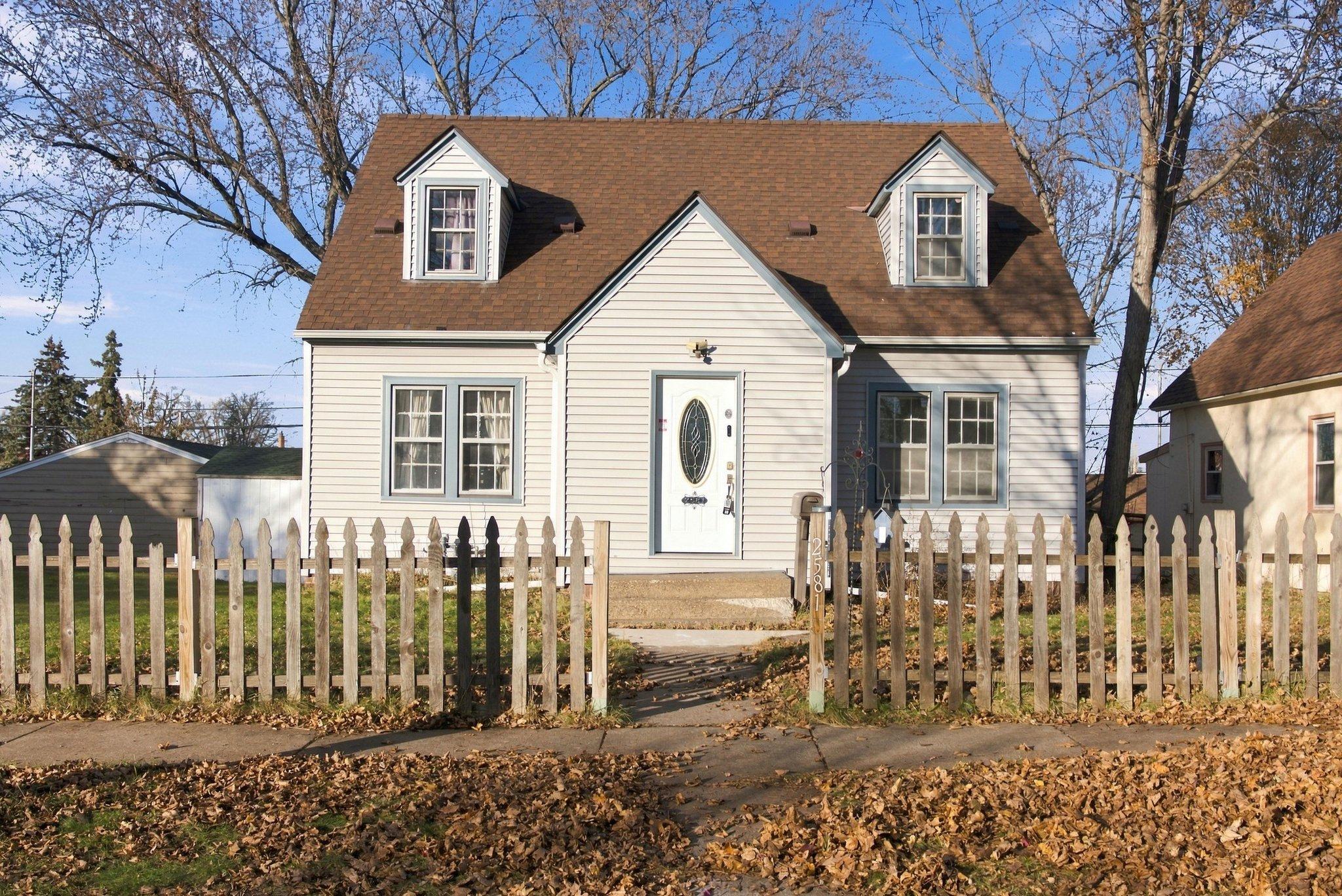
North St. Paul Cape Cod Listed at $234,900 With Garage Apartment Potential
A Cape Cod at 2581 5th Ave E in North Saint Paul hit the market listed at $234,900,...