A 75-year-old man regained stable gait and cognition after six months of nonsurgical care for idiopathic normal pressure hydrocephalus, a case report in Cureus shows.
The patient presented with a nine-month history of progressive gait instability, frequent falls, urinary urgency and cognitive decline. Initial workup focused on cardiac causes; 48-hour Holter monitoring ruled out arrhythmia. Neurology referral and brain MRI revealed ventriculomegaly with a disproportionately enlarged subarachnoid space hydrocephalus (DESH) pattern. A large-volume cerebrospinal fluid tap test produced a 28% improvement in 10-meter walk time — from 25 seconds to 18 seconds — meeting international criteria for probable iNPH.
The neurosurgical team offered ventriculoperitoneal shunt placement, which remains the definitive treatment. The patient and his family declined, citing concerns about operative stress and perioperative complications at his age. Morbidity and mortality rates for shunting are 20% and 0.2%, respectively, the report notes.
Clinicians instead implemented a structured conservative regimen: oral acetazolamide 250 mg twice daily to reduce CSF production, twice-weekly physical therapy targeting gait mechanics and fall prevention, scheduled voiding every two to three hours with pelvic floor exercises, and serial therapeutic lumbar punctures every three to four months. Over six months of follow-up, the patient’s cognitive baseline stabilized, urinary symptoms improved and gait velocity did not further deteriorate.
Prevalence of iNPH is estimated at 10–22 per 100,000 overall, rising to 1.3% in adults 65 and older and 5.9% in those 80 and older.
In people over 75, urinary incontinence affects 20–30%, while 20% develop dementia and 20% show ventriculomegaly, making clinical distinction difficult.
“iNPH must be included early in the differential diagnosis of elderly patients presenting with falls to prevent irreversible neurological decline,” the authors write. The case demonstrates that a rigorous, coordinated conservative framework can provide meaningful symptomatic relief and functional stabilization when surgery is declined or contraindicated, though surgical shunting remains the gold standard.
Keep reading

Prabowo Directs Police, Intelligence Agency to Handle Treason Case Involving Six Senior Officers
President Prabowo Subianto has directed the National Police and the State Intelligence Agency to handle an alleged treason...
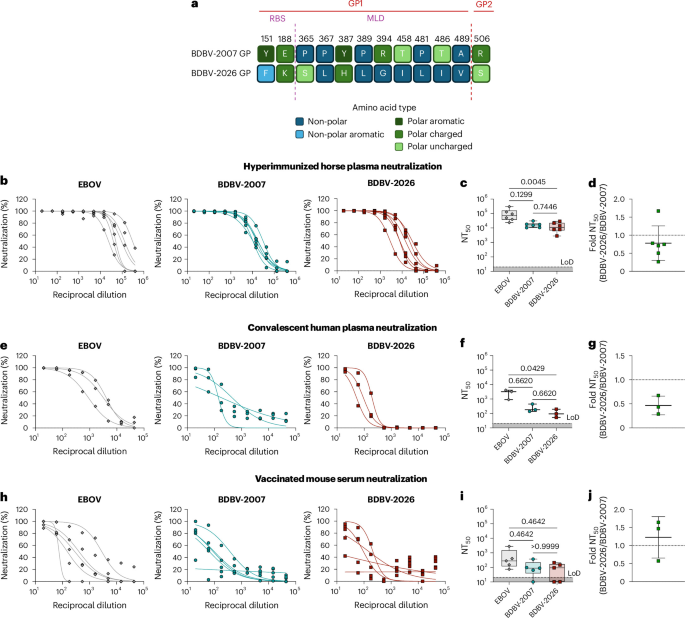
Ebola-Derived Antibodies Neutralize 2026 Bundibugyo Virus, Study Finds
Antibodies developed against Ebola virus retain neutralizing activity against the glycoprotein of the Bundibugyo virus driving the 2026...

House Passes Expanded Safe Spaces Bill Defining Grooming, Mandating AI Takedown
House Bill 11264, principally authored by Speaker Faustino “Bojie” Dy III and Majority Leader Sandro Marcos, amends Republic...
UP Deputy CM Maurya Says BJP Will Decide CM After 2027 Polls Via Legislators
Uttar Pradesh Deputy Chief Minister Keshav Prasad Maurya said Wednesday the Bharatiya Janata Party will decide its chief...