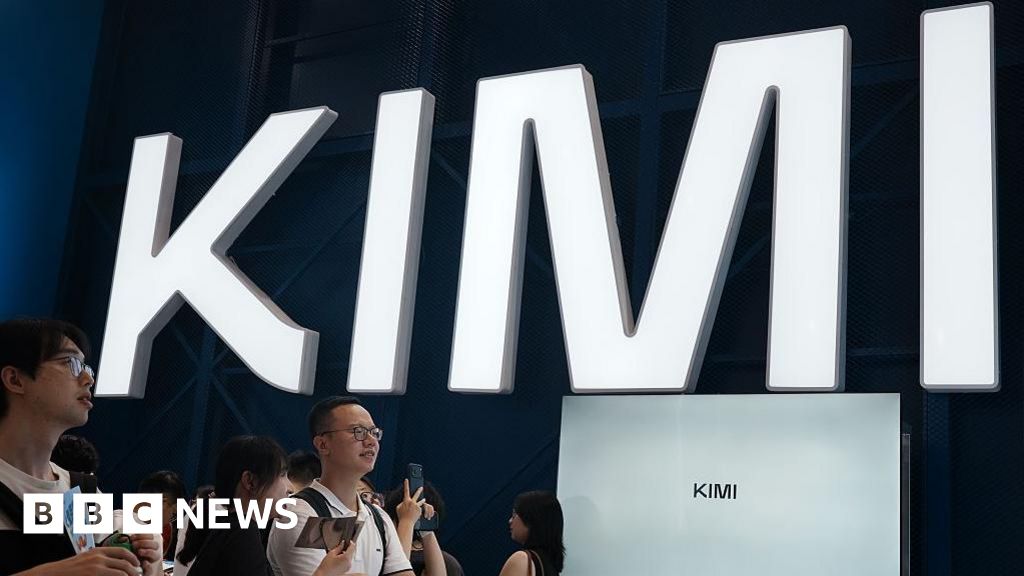
White House officials accused Beijing-based startup Moonshot AI of conducting large-scale distillation to illicitly copy Anthropic’s Fable model for its new Kimi K3. Science and technology director Michael Kratsios said the company covertly accessed restricted Nvidia chips to train models, as US authorities weigh potential sanctions.
The White House Accusation and Industrial-Scale Distillation
The Trump administration escalated trade and technology tensions with Beijing on Wednesday by formally accusing Chinese startup Moonshot AI of illicitly copying advanced American artificial intelligence systems.
Distillation is a widely used industry practice where a smaller, less capable AI model learns by processing the outputs of a larger system. However, the White House argues that when executed at this volume and in secret, the technique crosses the line into intellectual property theft. Kratsios posted on social media that Washington holds intelligence showing Moonshot constructed a sophisticated internal platform designed specifically to harvest capabilities from U.S. models while constantly switching access routes to evade detection.
We have information that Moonshot AI distilled Anthropic’s Fable for the development of its K3 model… However, large-scale, covert industrial distillation aimed at stealing proprietary U.S.
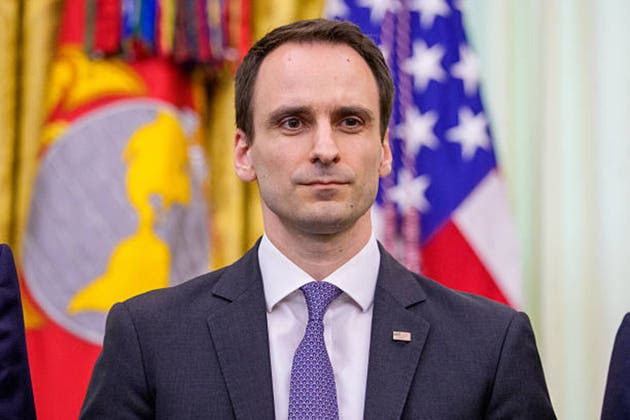
Michael Kratsios, Director of the White House Office of Science and Technology Policy
Anthropic’s Earlier Findings and Previous Exposes
The allegations build directly upon previous data compiled by American AI developers. As BeInCrypto detailed, Anthropic published a report in February tracing more than 3.4 million Claude exchanges back to Moonshot. Those queries originated from hundreds of fake accounts, with registration records matching the public profiles of senior Moonshot personnel. The traffic specifically targeted Claude’s reasoning, coding, and vision capabilities.
The friction extends beyond a single month. The White House noted in April that it intended to work more closely with domestic AI developers to counteract foreign campaigns aimed at systematically undermining American research and proprietary information.
Export Controls, Nvidia Servers, and the Threat of Sanctions
Beyond software distillation, the White House claims Moonshot bypassed strict American hardware restrictions. Washington previously clamped down on advanced semiconductor exports in 2022 to keep high-end computing power out of the hands of the Chinese military.
The financial and regulatory fallout gathered steam immediately. Treasury Secretary Scott Bessent warned on Tuesday that overseas companies face potential penalties for intellectual property theft. If we see, especially that overseas models are stealing from our great companies, we have the ability to sanction them because of this theft,
Bessent told Fox Business on July 21, adding that U.S. authorities are finding watermarks from American large language models embedded inside various Chinese systems.
Bessent reinforced that stance on Wednesday, writing on social media that sanctions “will be on the table” whenever foreign entities cross into IP theft via industrial-scale distillation. We support open-source AI and the innovation it unlocks. But open source is not open season on American IP,
Bessent stated.
Kimi K3’s Record Scale and the Open-Source Deadline
Market anxiety was visible on Wall Street, where Nasdaq indices dipped following the model’s debut amid investor concerns that American tech firms might lose their competitive advantages. Moonshot plans to release Kimi K3 as a fully open-source model on July 27, allowing developers worldwide to download and customize the system freely. That open timeline heightens urgency in Washington, as Anthropic and other labs warn that once massive models are released into the wild, their underlying weights and any embedded safety guardrails become impossible to contain.
Keep reading

iPhone 18 Pro Pre-Orders Open September 12 With A20 Pro Chip and Price Hikes
Apple's latest flagship lineup arrives with a familiar sting for buyers.

Anthropic CEO Calls for AI Slowdown, Backed by Altman and Musk
Anthropic Chief Executive Officer Dario Amodei has called on artificial intelligence firms to slow the development of the...


TCL Unveils P80 NXTPAPER AMOLED Phones and X11L TV at IFA 2026
At IFA 2026 in Berlin, TCL unveiled a massive hardware showcase featuring the P80 series of NXTPAPER AMOLED...