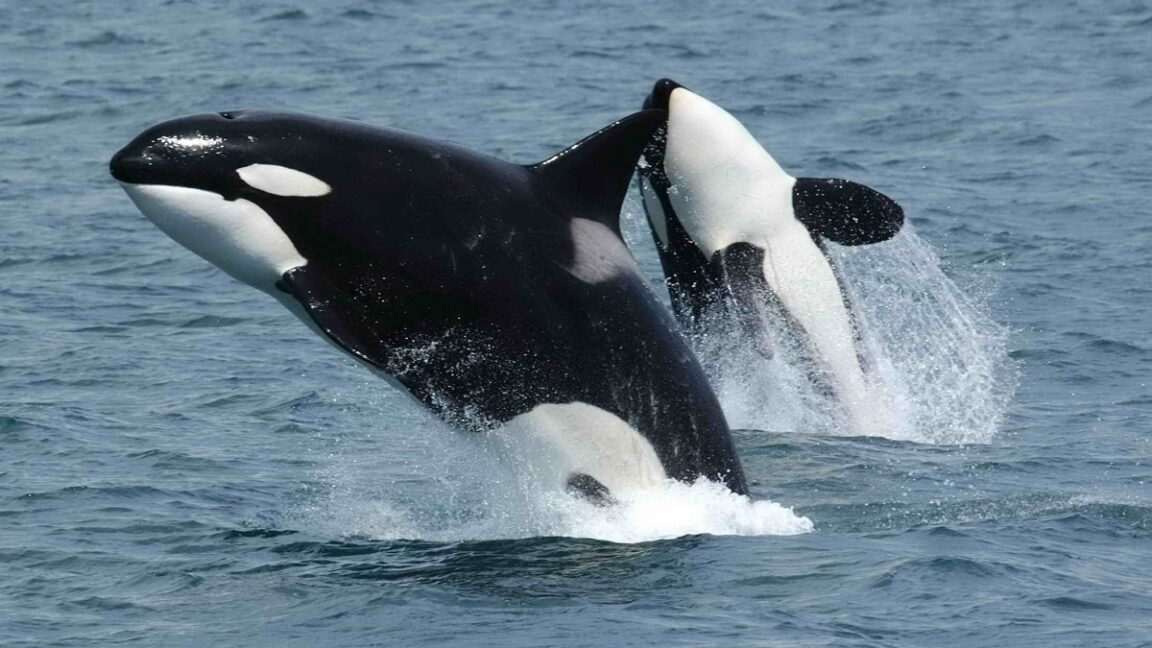
Orcas in the Gulf of California have been documented engaging in a previously unknown collaborative feeding strategy, teaming up to ram dead sharp-tail sunfish with such intensity that the carcasses explode into small fragments. Researchers detailed the observations in a paper published in the journal arstechnica.com.
Orcas Exhibit Novel Ram-to-Fragment Behavior in Gulf of California
Sharp-tail sunfish, also known as molas, rank among the heaviest fish globally, weighing upwards of 4,000 to 4,400 pounds (1,800 to 2,000 kilograms) and measuring up to 9 or 10 feet long. While killer whales are known apex predators that cooperate during hunts—such as herding mobile rays, blocking escape paths when hunting white sharks, producing waves to dislodge penguins from ice floes, and ramming whale sharks—the newly recorded behavior represents a distinct tactical approach.
Documented Encounters and Mechanics of the Strike
Scientists documented two specific incidents of the behavior, referred to as ram to fragment,
occurring in the Mexican Pacific Ocean and the Gulf of California. The first event took place in July 2024 off the coast of San José del Cabo in Baja California Sur, Mexico. According to CNN, lead study author Kathryn Ayres—a research scientist for the marine conservation nonprofit Beneath The Waves—witnessed the event while diving as an ocean safari tour guide with Latitude Encounters.
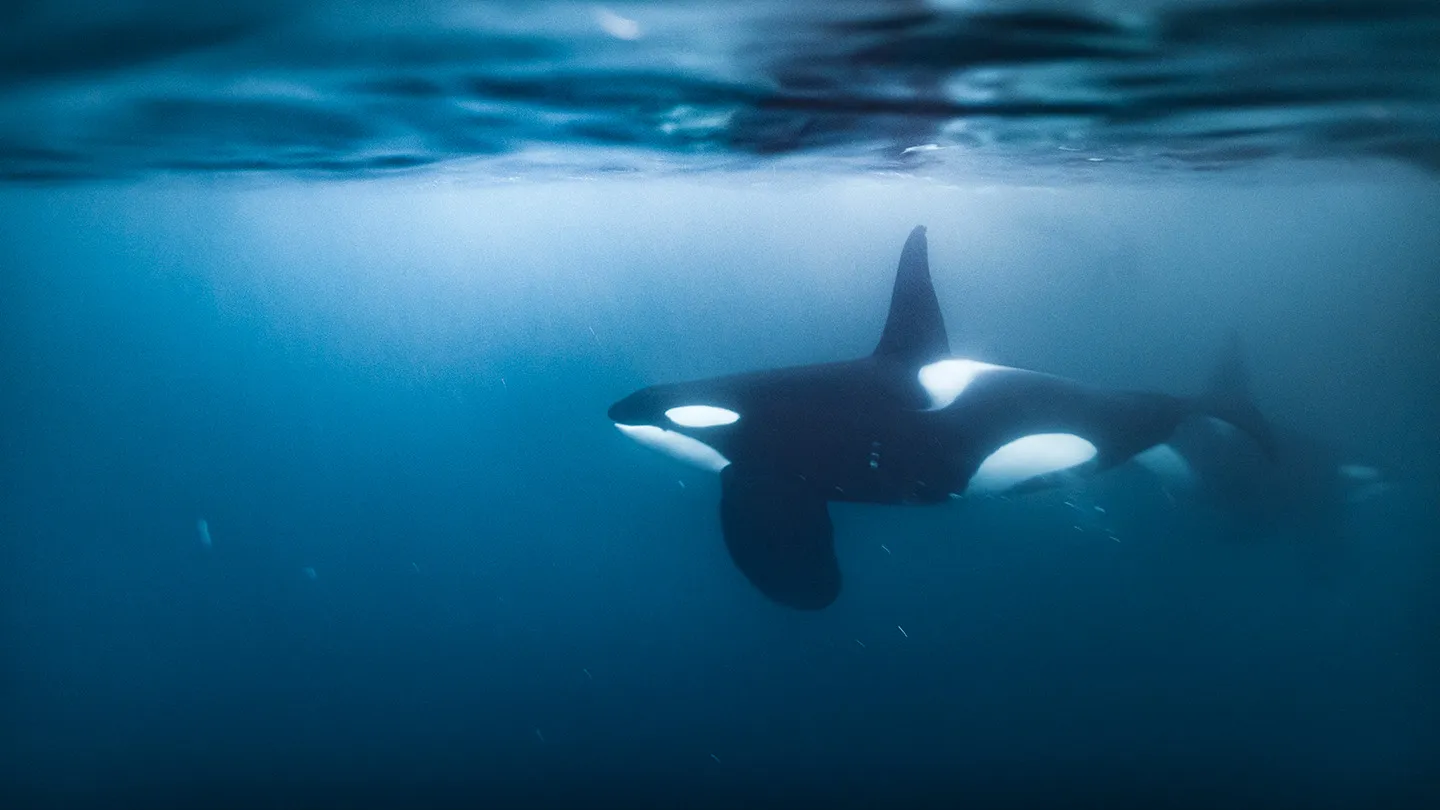
During this encounter, an adult female orca gripped the back end or tail-like clavus of a sharp-tail sunfish in her mouth, holding it relatively still. An adult male orca then accelerated at high speed toward the prey, striking it belly-up just an instant after the female released the animal. The impact produced an audible sound, causing the sunfish’s tissue to disintegrate into thousands of pieces that dispersed in the water like shards of confetti.
A second video capturing the same sequence was filmed in September 2025 by digital creator Héctor Franz, according to Smithsonianmag. In both documented instances, juvenile or calves were present. Following the explosions, younger orcas consumed the smaller fragments floating in the water, while adult orcas fed on what remained of the main body.
Potential Explanations: Food Processing, Social Bonding, and Play
Typically, when orcas target sunfish, they follow a three-pronged strategy: targeting the pectoral fins, slashing the body to remove the viscera, and using their beaks to access remaining tissue. In the observed ramming events, however, the sunfish’s internal organs—described as the most nutrient-rich parts—had already been consumed prior to the high-speed impact.

Researchers have proposed multiple hypotheses for why the orcas shatter the remaining carcasses:
- Food Processing for Juveniles: By blowing the sunfish apart, adult orcas can circumvent the prey’s tough, rubbery skin, breaking the tissue into manageable, bite-size pieces for calves and juveniles whose jaws cannot easily process intact large carcasses.
- Social Bonding and Learning: According to Sciencenews, shared meals and cooperative strategies reinforce social bonds among killer whales while providing younger individuals an opportunity to observe and learn complex hunting and processing techniques.
- Play and Cognitive Stimulation: Scientists note that the behavior could also serve as a form of play or social interaction, though experts remain divided on whether the destructive impact is purely practical or recreational.
As researchers continue to observe killer whale populations worldwide, they anticipate discovering additional novel behaviors, particularly among lesser-studied groups.
Worth a look

SpaceX Launches Final Three O3b mPOWER Satellites for SES
SpaceX successfully launched the final three O3b mPOWER satellites for SES on September 13, 2026, from Cape Canaveral...
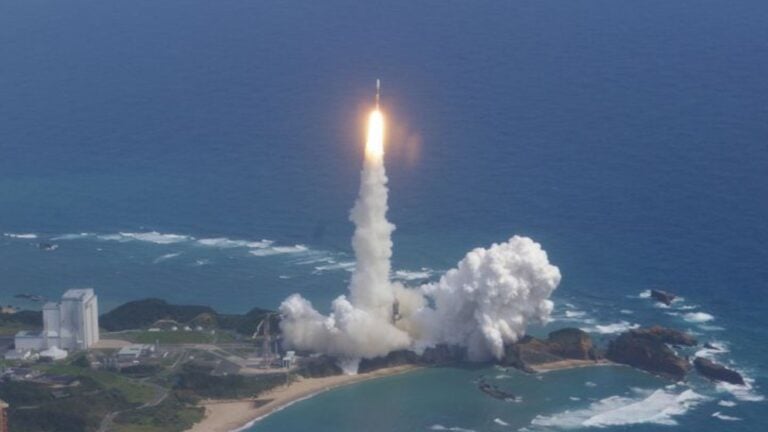
Japan Launches Kaguya Spacecraft to Map Moon in 2007
On September 13, 2007, Japan launched its advanced Kaguya spacecraft from the Tanegashima Space Centre aboard an H-IIA...

Astronomers Identify Eos, a Massive Molecular-Hydrogen Cloud Near the Sun
Astronomers have identified Eos, a massive molecular-hydrogen cloud located roughly 300 light-years away and spanning 40 full-Moon widths...
Researchers Find Diamond Melting Point Is Lower Than Previously Measured
Researchers zapping synthetic diamond plates with a powerful ultraviolet laser discovered the mineral's melting point is more than...