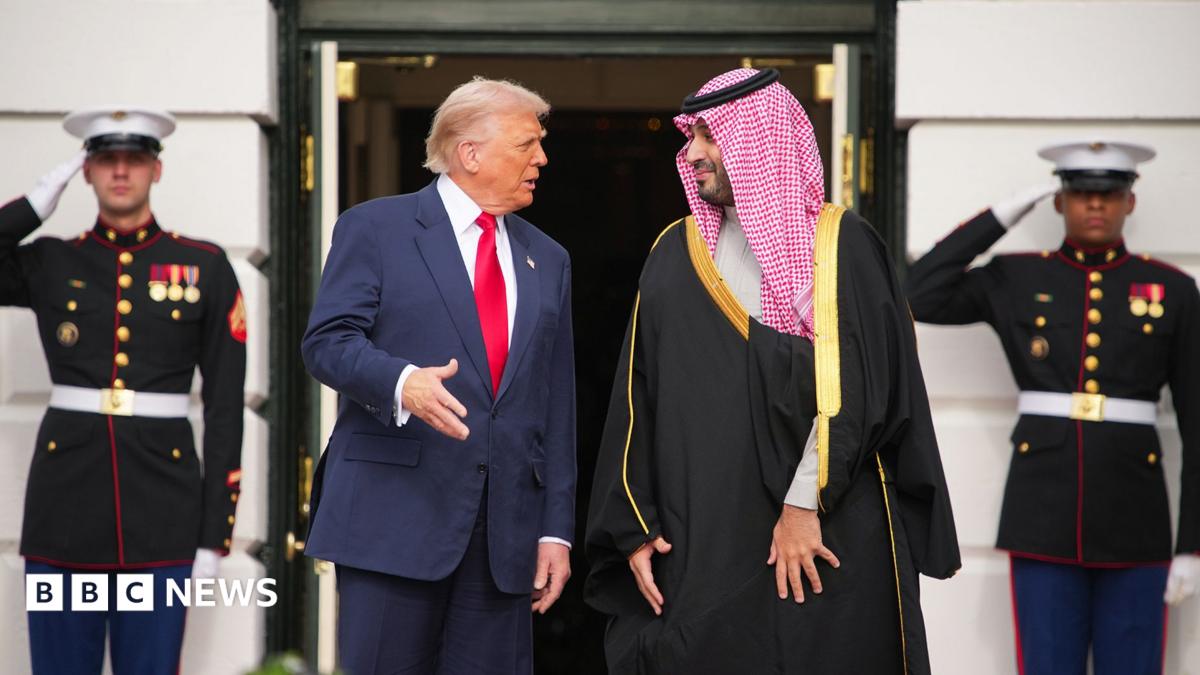
Donald Trump has thrown a newly signed civilian nuclear pact with Saudi Arabia into doubt, insisting the agreement is completely dependent on Riyadh normalising diplomatic relations with Israel by joining the Abraham Accords. The stunning intervention comes as the kingdom faces intensifying regional strikes and economic pressure from Iran.
The Abraham Accords Condition on the Saudi Nuclear Pact
The US and Saudi Arabia signed a landmark agreement designed to help the kingdom develop a civilian nuclear programme, providing Riyadh with a long-sought path toward domestic uranium enrichment.
Writing on his Truth Social platform, Trump stated that the deal will be approved
but remains totally subject to Saudi Arabia joining the very respected and successful Abraham Accords
. During Trump’s first term as US president, the United Arab Emirates and Bahrain signed the original accords, resulting in a historic normalisation of relations with Israel. Sudan, Morocco, and Kazakhstan subsequently joined them as well.
Israeli Welcome and Regional Demands for a Palestinian State
Israel swiftly welcomed Trump’s statement regarding the diplomatic normalisation condition. Posting on X, Prime Minister Benjamin Netanyahu’s office described the prospect of Saudi Arabia joining the accords as an historic leap forward for peace in the Middle East
, though the statement made no mention of the parallel nuclear agreement.
However, Saudi Crown Prince Mohammed bin Salman has previously insisted that any rapprochement with Israel is only possible if Israel takes permanent steps toward enabling the establishment of a Palestinian state. The BBC reported that it was not immediately clear if the normalisation requirement was written into the text of the unreleased nuclear deal, or if Riyadh had agreed to the condition.
Uranium Enrichment Proliferation Concerns
The agreement itself envisions American companies playing a leading role in Saudi Arabia’s nuclear energy programme, including the potential construction of an American-led uranium enrichment facility following a joint study. Yet the partnership lacks the rigorous gold standard
protocols found in many standard 123 agreements, which typically bar uranium enrichment and reprocessing while mandating regular inspections by the International Atomic Energy Agency.

Those omissions have generated widespread anxiety among non-proliferation experts regarding future nuclear proliferation in an unstable Middle East. Rosemary Kelanic, director of the Middle East programme at the think-tank Defense Priorities, told the Financial Times that Washington had never
helped another country enrich uranium domestically due to proliferation risks. Emma Belcher, president of Ploughshares, added that reaching nuclear agreements on a one-off basis sets a dangerous precedent
when countries attempt to bypass standard inspection norms.
Iran’s Regional Campaign and Saudi Vulnerability
The nuclear pact arrives directly against the backdrop of a renewed US military campaign against Iran, placing Washington’s Gulf allies squarely in Tehran’s crosshairs. Saudi Arabia has faced severe battering from Iranian missile and drone strikes. Iran’s stranglehold on the Strait of Hormuz and ongoing Houthi attacks threatening the kingdom’s shipping lanes have intensified economic and security pressures on Riyadh.
Meanwhile, political debate in Washington has intensified over parallel diplomatic tracks with Iran. In discussions over a separate tentative nuclear deal with Tehran, former US President Barack Obama pushed back against demands that Iran recognise Israel as a precondition, calling such demands a fundamental misjudgment
that goes beyond the proper scope of an arms control agreement.
Related reading

Israeli Attacks in Gaza Kill Pregnant Woman and 10 Others
A pregnant Palestinian woman was shot and killed by Israeli forces in southern Gaza as artillery shelling and...
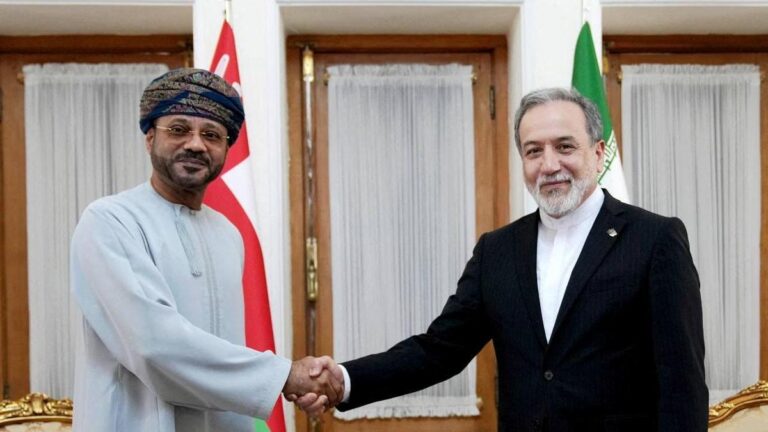
Iran and Gulf Nations Postpone Oman Talks Over Regional Consensus
The delay comes as oil prices fluctuate, U.S. economic sanctions expand, and military tensions in the region escalate...
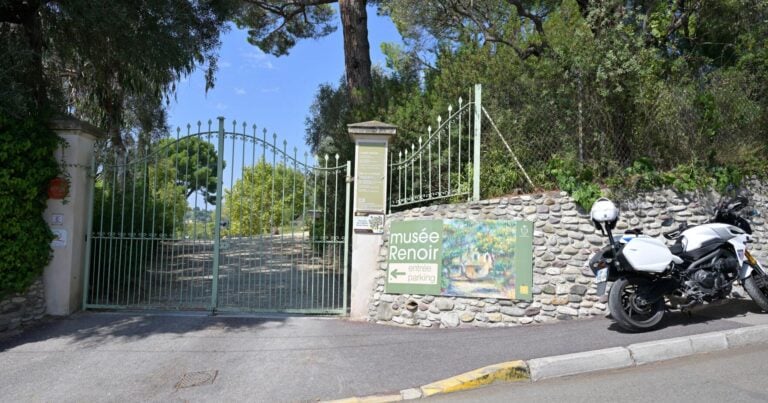
After Louvre Heist, Robberies Continue at French Museums
Following a dramatic daytime heist at the Louvre, a string of break-ins has struck museums and churches across...
Supermarkets Replace Atlantic Mackerel With Jack Mackerel Amid Skimpflation Warnings
Tinned mackerel on UK supermarket shelves is increasingly being swapped for Chilean jack mackerel due to severe Atlantic...