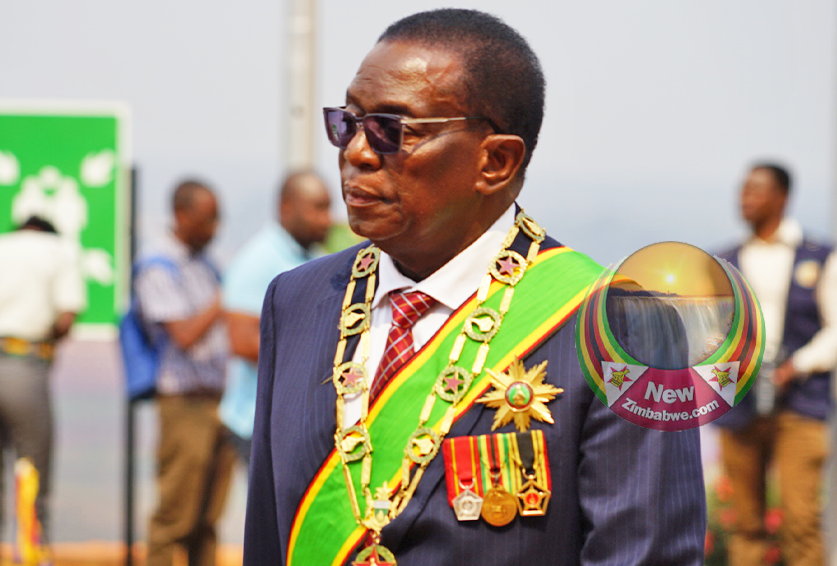
Harare’s Constitutional Court faces a mounting legal challenge over the recently enacted Constitution of Zimbabwe Amendment (No. 3) Act, 2026. Petitioners argue that provisions extending presidential and parliamentary terms from five to seven years through notwithstanding
clauses directly violate core constitutional protections against incumbent self-benefit.
The legal battles surrounding Zimbabwe’s most controversial recent constitutional overhaul are converging on the apex court. Two separate applications filed by opposition figures are now targeting the legislative changes that President Emmerson Mnangagwa assented to on July 7, 2026.
Vhurande Mahlupeko Challenges the Entire Enactment Process
The first major court challenge comes from Vhurande Mahlupeko, a National Executive Committee member of the opposition National Constitutional Assembly (NCA). Operating under Section 167(2)(d) of the Constitution, Mahlupeko named Parliament, President Mnangagwa, Attorney-General Virginia Mabiza, and Justice, Legal and Parliamentary Affairs Minister Ziyambi Ziyambi as respondents in an application filed to strike down the entire legislative package.
According to court filings, the NCA challenge centers on four principal objections regarding how the Bill made its way through government. First, the application contends that Parliament violated Section 328(3) by introducing amendments that were never published for public scrutiny in the original Constitutional Bill. Second, Mahlupeko argues that the legislation breached Section 328(7), which bars term-limit extensions from benefiting incumbents currently holding office.
The amendments introduced by clauses 4 and 9 of the Bill are now part of the Constitution… Increasing the length of the terms of office in question was an amendment to a ‘term-limit provision’.
Vhurande Mahlupeko, National Constitutional Assembly
Beyond term lengths, the challenge targets the method of electing the President. Mahlupeko argues that replacing direct popular voting with an election by Parliament effectively strips citizens of their right to vote directly for the head of state, creating an unconstitutional amendment by implication. The application also alleges that Parliament failed to publish mandatory notification under Section 131(5)(b) regarding when the Bill was transmitted for assent, and asserts that President Mnangagwa was personally conflicted and should have recused himself in favor of an Acting President.
Prince Dubeko Sibanda Mounts a Targeted ConCourt Bid
A parallel challenge filed on July 11, 2026, by former Binga North legislator Prince Dubeko Sibanda through his lawyers Mbidzo Muchadehama & Makoni zeroes in specifically on the mechanisms used to bypass term restrictions. Rather than seeking to nullify the entire legislative act, Sibanda’s draft order asks the court to strike down sections 5(b) and 10(b)—which inserted clauses into sections 95 and 143 of the constitution—along with the resulting provisions.
Sibanda, an attorney who won election to the Binga North seat in the 2013, 2018, and 2023 general elections, emphasized that his dispute is narrow and focused strictly on constitutional competence rather than the political desirability of a seven-year term.
The core of Sibanda’s argument addresses the insertion of notwithstanding section 328(7)
language into the new sections 95(2a) and 143(2a). He contends that Parliament attempted to sidestep entrenched constitutional safeguards by describing the incumbent benefit as a mere continuation in office, rather than undertaking the special procedures required to amend Section 328 itself.
Overcoming Prior Procedural Hurdles
Sibanda’s current petition follows an earlier legal attempt that was struck off the roll by the Constitutional Court. That initial challenge foundered because the legislation was still a pending bill and the dispute had not yet crystallized.
With the legislation now formally promulgated as Act No. 6 of 2026, that procedural barrier has dissolved. The contested clauses have assumed legislative form, transforming contingent proposals into active law whose constitutionality must now be measured directly against the bar imposed by Section 328(7).
Legal Roadmap and Next Steps
The respondents named across the applications—comprising Parliament, the President, Attorney-General Virginia Mabiza, and Justice Minister Ziyambi Ziyambi—face a 21-day window from service to file formal notices of opposition. If they fail to respond within that timeframe, the matters may be set down for hearing as unopposed.
As of late July 2026, the Constitutional Court has yet to officially set a unified date to hear either challenge. Whether the apex court chooses to consolidate the NCA’s broad nullification bid with Sibanda’s targeted strike-down request remains the pivotal procedural question facing the judiciary.

Worker Dies After Being Struck by Compressed Air Hose at Jurong Port Road
A 35-year-old worker died at a Jurong Port Road construction site on September 11, 2026, after being struck...
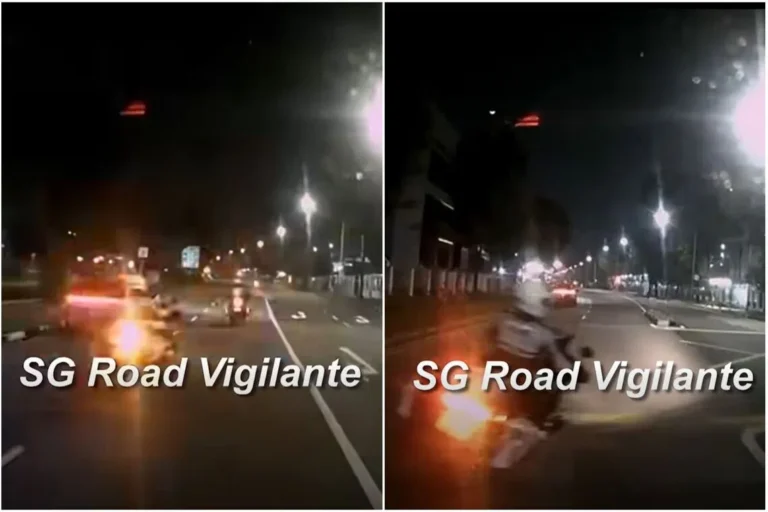
Singapore Police Investigate Three Traffic Officers Over Unsafe Riding Footage
The clip, which surfaced online, shows the outriders cutting across lanes and forcing sudden braking near the Traffic...
Justice Department Deports Legal Resident to Afghanistan in First ATRC Case
The Justice Department deported a 47-year-old legal U.S.

Mahnoor Safdar Marries Azan Jabbar Today at Jati Umra Estate
The private family gathering brings together close family and invited guests for the celebration.