
Iran reported a quiet night without overnight U.S. strikes, breaking nearly two weeks of consecutive nightly attacks as regional tensions remain high over control of the strategic Strait of Hormuz and ongoing clashes involving regional militias, according to reports published Saturday.
The sudden overnight calm followed nearly two weeks of consecutive nights of U.S. attacks across Iran, a military campaign that Iranian state media and local reports note has brought widespread explosions. Health Ministry spokesperson Hossein Kermanpour confirmed the pause on social media, writing that Iran had a peaceful night
while U.S. Central Command did not immediately respond to a request for comment and did not announce new strikes.
Strait of Hormuz Control and Regional Flashpoints
The broader conflict stems from a tenuous ceasefire that appeared to halt major operations in the conflict that started with American and Israeli attacks on Iran and seemed to unravel early July. Iran was accused of striking three ships in the strait. The U.S. responded by striking dozens of targets in Iran, which retaliated by firing at Arab states in the region.
The Strait of Hormuz, a crucial passage for world energy supplies, has been at the center of the conflict. Iran has said it has carried out drone strikes on US military facilities and bases across the Middle East in retaliation for the 13th consecutive night of American attacks on the country, with explosions reported along Iran’s Gulf coast, and in western, northern, and central areas. Four people were killed and five injured in an attack in the south-west, Iranian state media said. Iran later announced strikes on US-allied Kuwait, while sirens sounded in Bahrain and Jordan, and flights were suspended at a major Iraqi airport after a reported drone crash. Sirens also sounded multiple times on Saturday in Saudi Arabia’s Yanbu and Jizan provinces, which house crucial oil facilities on the Red Sea, according to the Saudi Civil Defense, which stated the alert was for a potential danger
that was later lifted without providing further details, while Bahrain also sounded missile alerts with no casualties reported.
Assets Dispute and Diplomatic Repercussions
Diplomatic friction intensified as Iran condemned the US plan to use frozen Iranian assets to pay for war damages, in a sign of further escalation between the two countries. On Thursday, U.S. President Donald Trump said damages to ships and cargo in the Strait of Hormuz would be paid for by Iranian Money that the United States has in its possession, and controls
.
Human Toll and Escalating Casualties
The military escalation has inflicted a devastating humanitarian toll across the region. According to the Iranian ministry, the war has so far killed more than 3,400 people in Iran, alongside 18 US service members, 24 civilians in Israel, and smaller numbers of civilians reported dead in countries across the region.

Among the single largest casualties from an attack, according to Iranian authorities, was the attack on a girls’ school in the city of Minab, where 168 people were killed and 95 were wounded, most of them children. Mohammad Bagher Zolghadr, Secretary of the Iranian Supreme National Security Council, stated on Saturday that the ongoing and precision strikes by Iranian forces would persist until the enemy is “fully defeated” and retribution is exacted for the innocent children of Minab and Lamerd and will continue beyond that point
, pledging retribution for the US-Israel war on Iran and the killing of schoolchildren, as reported by state news agency IRNA.
International Diplomacy and Upcoming High-Level Talks
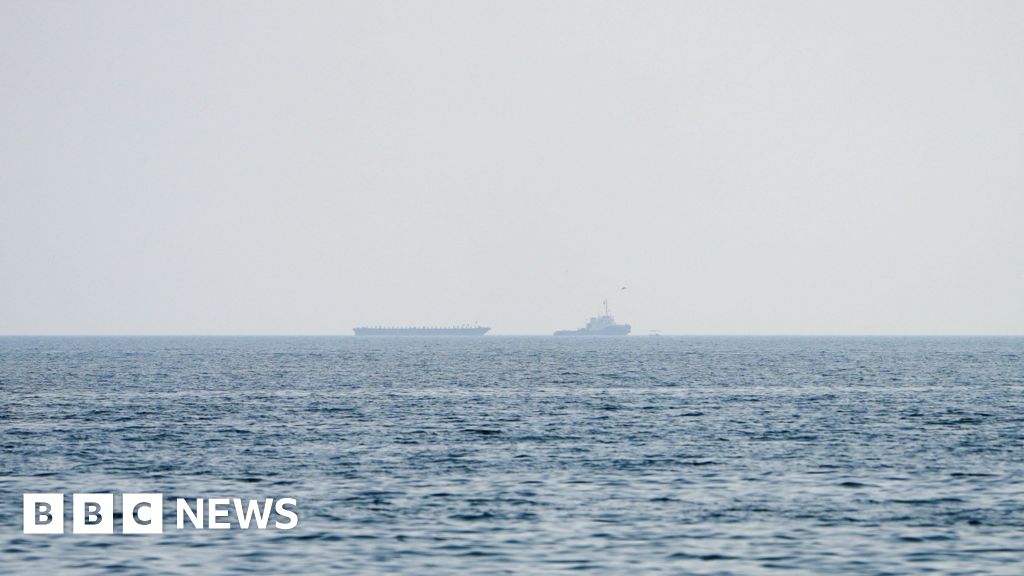
Amid ongoing regional alarms, Middle East correspondent Yolande Knell and Ottilie Mitchell of Reuters documented vessels sighted in the Strait of Hormuz from Oman on July 23, capturing the persistent maritime focus of the confrontation as experts warn that the confrontation is far from over.
Keep reading
Israeli Attacks in Gaza Kill Pregnant Woman and 10 Others
A pregnant Palestinian woman was shot and killed by Israeli forces in southern Gaza as artillery shelling and...
Iran and Gulf Nations Postpone Oman Talks Over Regional Consensus
The delay comes as oil prices fluctuate, U.S. economic sanctions expand, and military tensions in the region escalate...
After Louvre Heist, Robberies Continue at French Museums
Following a dramatic daytime heist at the Louvre, a string of break-ins has struck museums and churches across...
Supermarkets Replace Atlantic Mackerel With Jack Mackerel Amid Skimpflation Warnings
Tinned mackerel on UK supermarket shelves is increasingly being swapped for Chilean jack mackerel due to severe Atlantic...