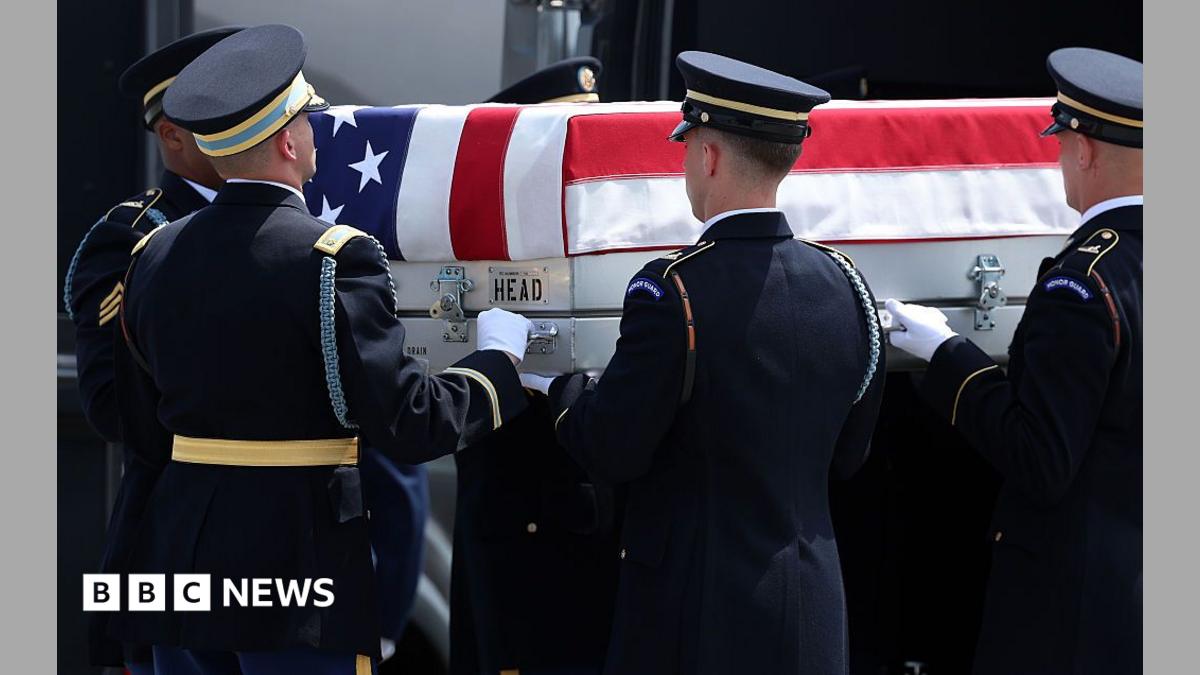
At least 624 US military service members have been wounded since President Donald Trump ordered strikes against Iran in February.
The human cost of the conflict with Iran is surfacing through a series of contradictory data updates from the Pentagon. As of July 25, 624 US service members have been wounded, split between 417 attributed to Operation Epic Fury and 207 under Overseas Operations
.
This accounting has become a point of contention. The Pentagon recently moved the names of four soldiers who died in Operation Epic Fury over to the Overseas Operations count. This administrative shift reduced the death toll for the initial attack from 18 down to 14. The new category, which measures casualties starting July 7th 2026, now lists those four soldiers as its only deaths.
The Al-Tanf Base Drone Strike
The instability of the region peaked on July 17, when a kamikaze drone struck an outpost in northeast Jordan near the Syrian border. The attack hit the living quarters of the base, killing three US service members and wounding at least 25 others. US officials reported that 34 personnel were evaluated for possible traumatic brain injury following the strike.
The strike represents a significant escalation, marking the first time that US troops have been killed by enemy fire in the Middle East since the beginning of the war in Gaza. While Iran-backed militias in Iraq claimed responsibility for targeting the base, Tehran has denied any involvement.
Jordanian officials condemned the attack, though spokesman Dr. Muhannad Mobaideen clarified that the event took place outside Jordanian territory at the al-Tanf base. He emphasized that Jordan will continue to confront the threat of terrorism and smuggling across the Syrian border.
Pentagon Data Disruptions and Political Friction
The shifting of casualty numbers has drawn sharp criticism from political figures. Lt Gen Ben Hodges, who commanded US forces in Europe when Trump first came to power, suggested the administration is struggling to be honest about the war and its casualties.

Republican congressman Thomas Massie described the splitting of the conflict into separate categories as an absurd ruse
. The Pentagon has pushed back against these claims; spokesman Sean Parnell attributed the changes to temporary data disruptions and site anomalies currently being resolved.
This lack of clarity extends to the executive branch. On July 21, President Trump posted on Truth Social that the Iran Military Conflict
had claimed 18 lives—a figure that aligns with the Pentagon’s original count for Operation Epic Fury before the four names were shifted to the Overseas Operations category.
Breakdown of the April Ceasefire
The current violence follows a fragile diplomatic attempt to stabilize the region. The US and Iran agreed to a ceasefire in April and signed a Memorandum of Understanding in June, but attacks from both sides have occurred throughout. By mid-July, the president declared the ceasefire over
.
The resulting escalation saw a pattern of reciprocal violence. For 13 consecutive nights starting in mid-July, the US attacked Iranian military infrastructure, met with Iranian forces firing on American bases in neighbouring countries. Then starting on Friday there has been a pause, with Sunday the third night of no attacks from both sides.
The fallout has created a divide in US strategic response. Senator Lindsey Graham argued that the current policy of deterrence has failed miserably and urged the administration to strike targets of significance inside Iran.
The core uncertainty remains the accuracy of the casualty reporting. With 207 wounded listed under Overseas Operations,
it is unclear if all 207 were injured as a result of the Iran war.
Related reading

Israeli Attacks in Gaza Kill Pregnant Woman and 10 Others
A pregnant Palestinian woman was shot and killed by Israeli forces in southern Gaza as artillery shelling and...
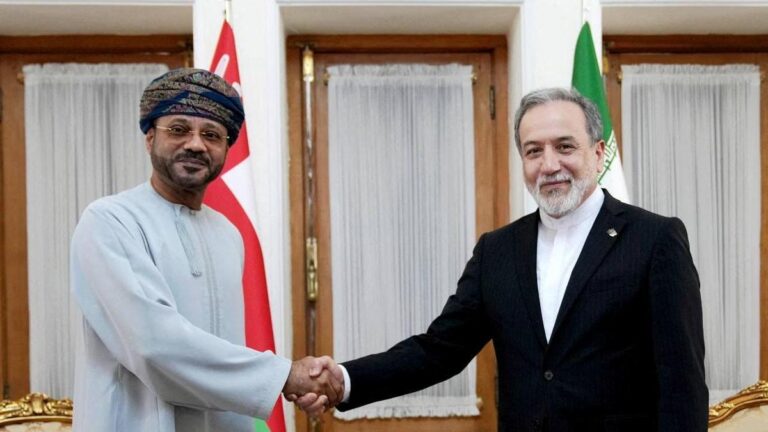
Iran and Gulf Nations Postpone Oman Talks Over Regional Consensus
The delay comes as oil prices fluctuate, U.S. economic sanctions expand, and military tensions in the region escalate...
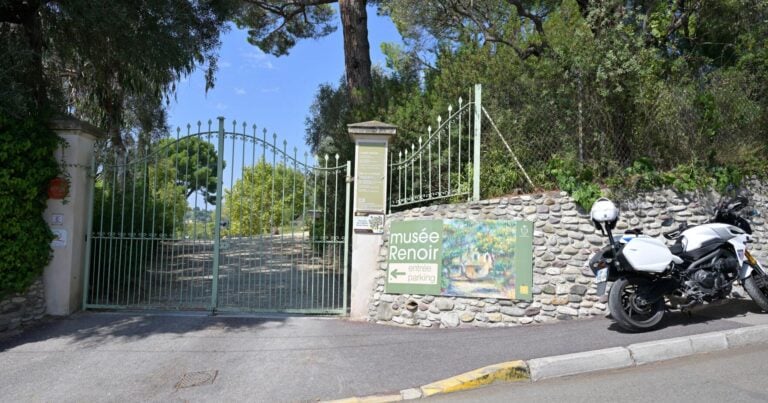
After Louvre Heist, Robberies Continue at French Museums
Following a dramatic daytime heist at the Louvre, a string of break-ins has struck museums and churches across...
Supermarkets Replace Atlantic Mackerel With Jack Mackerel Amid Skimpflation Warnings
Tinned mackerel on UK supermarket shelves is increasingly being swapped for Chilean jack mackerel due to severe Atlantic...