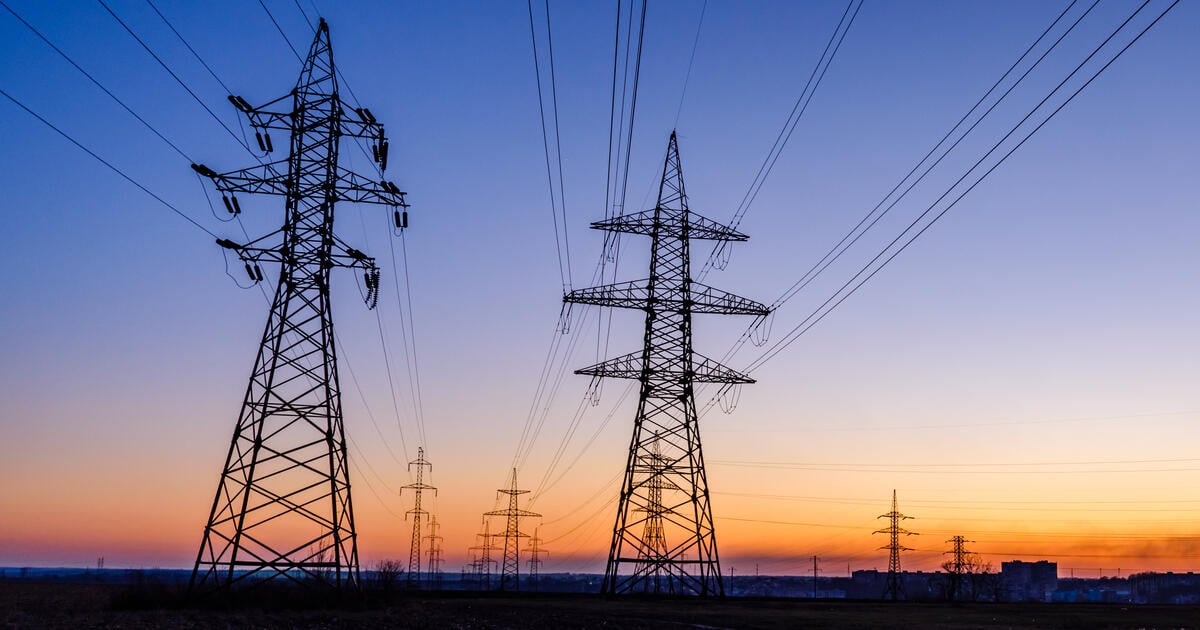
The European Commission has unveiled its Electrification Action Plan, targeting 46% electricity consumption across energy use by 2040. Aimed at reducing a €260 billion fossil import bill, the strategy pairs cross-sector reforms with grid and data center mandates to strengthen EU industrial competitiveness and energy security.
Europe has long operated on an energy model that leaves its economy exposed. For decades, the continent has imported more than half of its consumed energy, creating vulnerability to geopolitical shocks, volatile prices, and supply disruptions. While the 2022 energy crisis and ongoing Middle East tensions starkly underlined the risks of fossil fuel reliance, the European Commission is pressing for a structural pivot rather than short-term buffers.
Teresa Ribera, the European Commission’s Vice-President for a Clean, Fair and Competitive Transition, put the stakes plainly during the rollout: Green is cheaper and wiser.
Dependence is expensive.
We know that decarbonization is the best economic and security strategy for Europe.
Targeting 46% Electrification by 2040 Across Industry and Transport
Although roughly 70% of electricity produced in the European Union originates from clean sources, electricity currently accounts for just 23% of total final energy consumption. The Commission aims to double that share to an indicative target of 46% by 2040, subject to an impact assessment. By comparison, electrification rates in China, Korea, and Japan already exceed 30%.
The push targets three main pillars: industry, transport, and buildings. European Energy Commissioner Dan Jørgensen emphasized the economic logic behind the domestic pivot, noting that clean domestic energy because it is the cheapest and most reliable source we have
requires a smarter, more flexible consumption model.
“We are redoubling our efforts to use clean domestic energy because it is the cheapest and most reliable source we have. We need to make electricity consumption smarter and more flexible.”
Dan Jørgensen, European Energy Commissioner, via Radio Moldova
Beyond emissions reductions, the Commission estimates that hitting these electrification targets could slash the EU’s annual fossil fuel import bill by approximately €260 billion annually by 2040. Instead of exporting wealth for fuel, the bloc intends to funnel those resources into internal infrastructure, advanced manufacturing, electrified transport, and green technologies.
Overhauling Grids, Metering, and Vehicle-to-Grid Requirements
Realizing the 2040 ambition requires addressing severe regulatory and infrastructural bottlenecks. Alongside the core strategy, the Commission published extensive legislative proposals designed to drive down transmission and distribution network costs, accelerate smart meter rollouts, and prioritize grid connections for strategic users.
The framework calls for new and revised network codes to facilitate demand response and integrate battery storage, thermal storage, geothermal systems, heat pumps, and electric vehicles directly into the grid. For transport, the Commission plans to introduce mandatory vehicle-to-grid (V2G) requirements for new EVs placed on the European market before the end of 2027, with implementation slated for 2030. These rules will establish standardised communication protocols and interoperability technical standards so that idle vehicles can feed stored electricity back to the grid via bidirectional chargers.
Fiscal adjustments form another critical lever. Ribera confirmed that Brussels is committed to restructuring member state tax regimes to lower electricity taxes compared to natural gas, alongside an active push to phase out €100 billion in fossil fuel subsidies.
Managing Digital Power Demand and Data Center Performance Standards
As digitalization, industrial transformation, and artificial intelligence accelerate demand, power grids face unprecedented strain. Energy planning must anticipate future technological loads rather than merely reacting to them.
To manage the footprint of digital infrastructure, the Commission will introduce strict transparency measures for data centers. The plan commits regulators to adopting a common Union rating scheme for data centres alongside mandatory minimum performance standards. While larger data centers are already bound by EU law to report sustainability metrics, the new rules create uniform baselines across all member states.
Moldova Advances Its Green Transition via the “Green House” Program
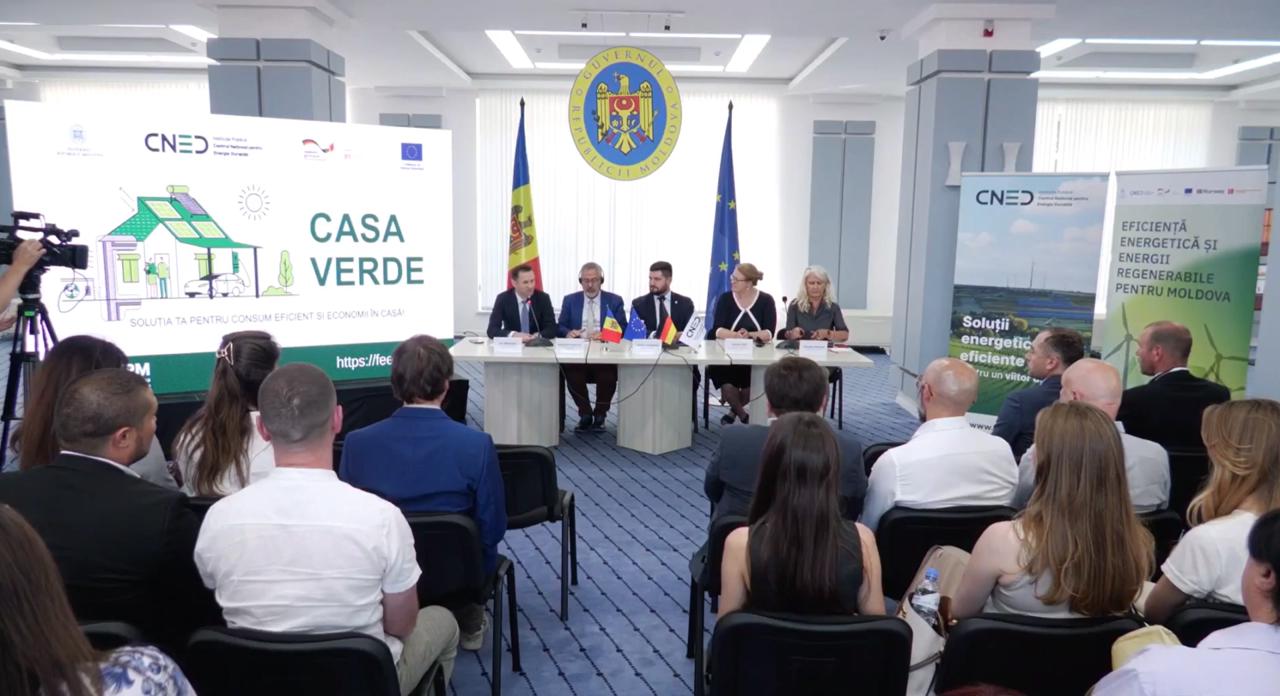
While Brussels lays down macro-level targets, candidate countries for European Union accession are already aligning their domestic policies. In the Republic of Moldova, the National Center for Sustainable Energy (CNED) is executing the “Green House” program with financial backing from the European Union.

The initiative provides direct grants for residential thermal insulation, heat pumps, photovoltaic arrays, and storage batteries.
“Storage is essential. It provides us energy at night and during power outages. The gas boiler is now just a backup.”
Igor Hîncu, Program Beneficiary, via Radio Moldova
What Lies Ahead for European Infrastructure Execution
Across Europe, major grid projects routinely spend years tangled in permitting procedures and regulatory approvals before a single spade hits the dirt.
Legislative proposals detailing network codes and technical standards are expected to be published later this year, with vehicle-to-grid mandates following ahead of the 2027 deadline. How quickly member states modernize regulations and slash permitting times will determine whether Europe turns electrification into a lasting competitive advantage or watches industrial growth stall under twentieth-century timelines.
Keep reading

Israeli Attacks in Gaza Kill Pregnant Woman and 10 Others
A pregnant Palestinian woman was shot and killed by Israeli forces in southern Gaza as artillery shelling and...

Iran and Gulf Nations Postpone Oman Talks Over Regional Consensus
The delay comes as oil prices fluctuate, U.S. economic sanctions expand, and military tensions in the region escalate...

After Louvre Heist, Robberies Continue at French Museums
Following a dramatic daytime heist at the Louvre, a string of break-ins has struck museums and churches across...
Supermarkets Replace Atlantic Mackerel With Jack Mackerel Amid Skimpflation Warnings
Tinned mackerel on UK supermarket shelves is increasingly being swapped for Chilean jack mackerel due to severe Atlantic...