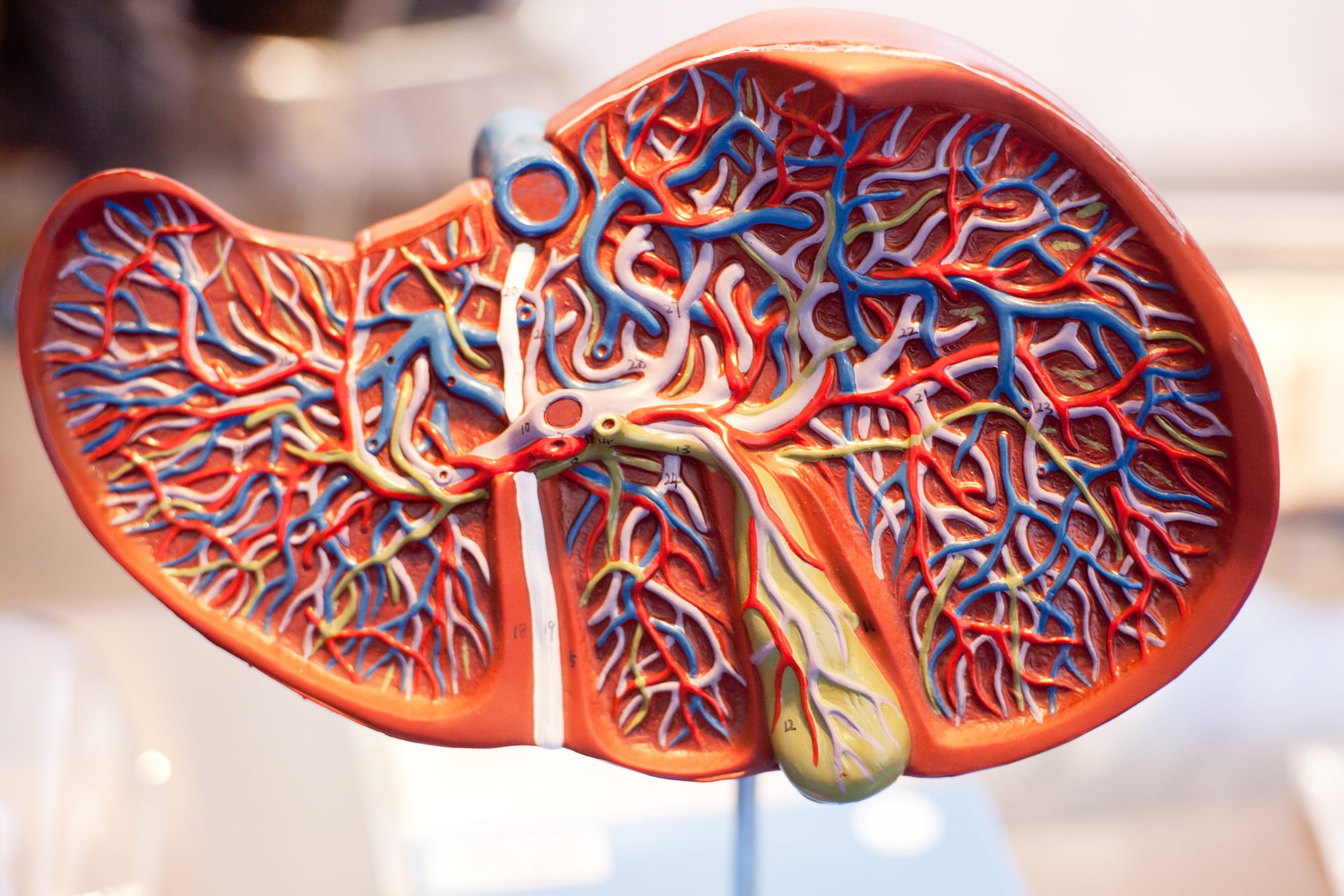
Researchers at The University of Toledo have developed a rapid blood screening method designed to detect elevated bile acids, an early warning sign of liver dysfunction that typically goes unnoticed during routine medical testing. Liver disease frequently progresses silently before physical symptoms such as jaundice, fatigue, and abdominal discomfort develop. By the time conventional markers like bilirubin and liver injury enzymes catch up, the condition has often moved past its earliest and most treatable phases.
University of Toledo Researchers Develop Rapid Blood Test for Early Liver Disease Detection
According to The University of Toledo researchers Dr. Matam Vijay-Kumar and Dr. Sadhana Kumari, standard blood panels measure cholesterol, triglycerides, and bilirubin, but they do not routinely measure bile acids. Vijay-Kumar, a professor of physiology and pharmacology at UToledo’s College of Medicine and Life Sciences, described bile acids as a heavily neglected analyte in clinical settings and proposed that they should be measured at least during annual checkups.
Cellular Mechanics and Clinical Study Results
Bile acids are compounds produced by the liver that help digest and absorb fat-soluble vitamins. Under normal conditions, they circulate between the liver and intestines and remain out of the bloodstream. When liver function is impaired or bile flow to the gallbladder is blocked, bile spills over and accumulates in the blood, causing a condition known as cholemia.
Published in the American Journal of Physiology — Gastrointestinal and Liver Physiology, the research examined how elevated bile acid exposure affects cell membranes. Rather than making cells fragile as initially expected, researchers discovered that exposure to high bile acids causes red blood cell membranes to accumulate more cholesterol while losing phospholipids. This alters the ratio between the two components, making the cell membrane more rigid and resistant to osmotic stress.
This finding held true across multiple genetic mouse models of spontaneous cholemia as well as in human patients. In a study conducted at the University of Toledo Medical Center, in collaboration with UToledo Health gastroenterologist Dr. Thomas Sodeman, researchers analyzed blood samples from 23 patients with cholestatic liver disease. They compared these samples against blood from 23 age- and gender-matched individuals who showed no signs of liver disease.
The screening method consistently distinguished liver disease patients with elevated bile acids from healthy controls. It is a very striking result,
Vijay-Kumar said. We can identify people with high bile acids with high accuracy. When they have a blood glucose test, an additional four microliters of blood can be collected, put into solution, and within 10 to 20 minutes they will get the answer.
Implications for Pregnant Women and Clinical Conditions
The clinical implications of the rapid test extend beyond general liver screening. Vijay-Kumar highlighted pregnant women as a population with an urgent need for early detection of elevated bile acids.
When bile acid levels exceed 40 micromolar, as seen in intrahepatic cholestasis of pregnancy, they can cause severe fetal damage, potentially forcing physicians to induce premature birth or risking stillbirth. Researchers noted that implementing this red blood cell lysis test in clinics could be crucial for monitoring pregnant patients carefully. Furthermore, elevated blood bile acids occur in 25 different clinical conditions—including drug-induced liver injury—that are present in humans but not currently considered for standard diagnosis.
To protect the diagnostic concept underlying the screening method, the UToledo Technology Transfer Office has filed a patent application titled Rapid Screening for Elevated Bile Acids Using Whole Blood,
listed under application number 18844313.
Worth a look

Chinese Neurosurgeon Zhang Shijun Performs Hundreds of Operations in Eritrea
During a one-year medical mission in Eritrea running from July 2025 to July 2026, Chinese neurosurgeon Zhang Shijun...

Prince Harry and Meghan Moving Back to U.K
Prince Harry and Meghan are moving back to the United Kingdom with their children, Prince Archie and Princess...

High-Dose Vitamin D Linked to Better Cognition in High-Risk Adults
Adults taking high doses of vitamin D supplements showed significantly higher cognitive test scores in a new study...

Ortho-K Lenses Slow Axial Length Elongation More in Children With High Myopia
A new real-world comparative study published in Eye and Vision reveals that orthokeratology lenses slow axial length elongation...