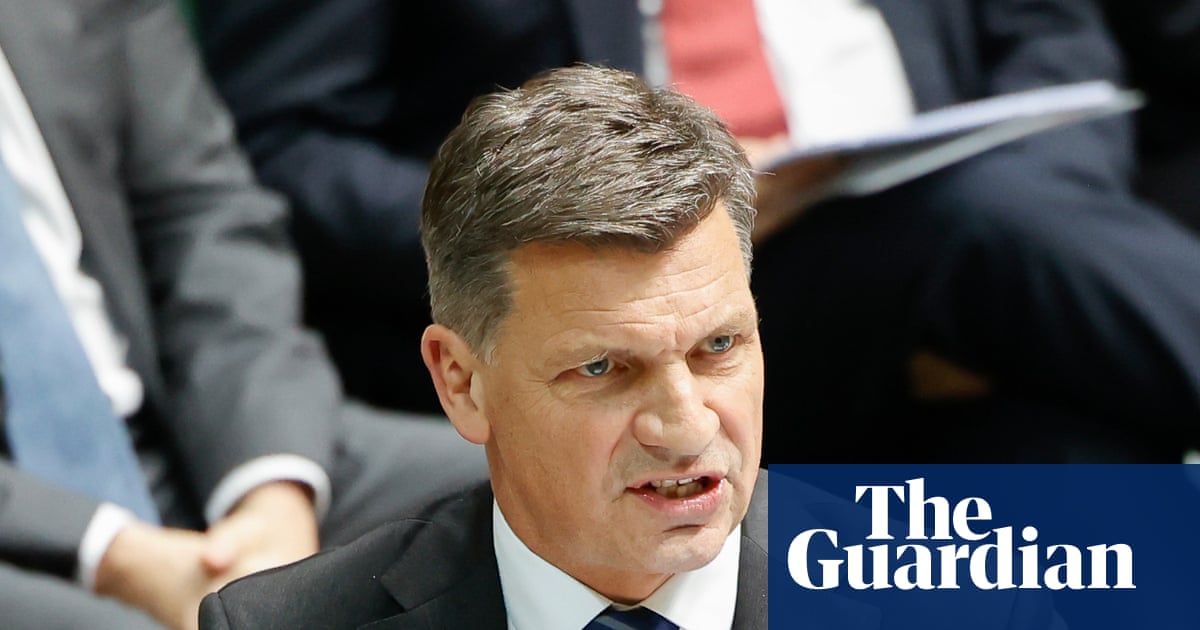
Taylor Warns One Nation’s Policies Would ‘Send Australia Broke’
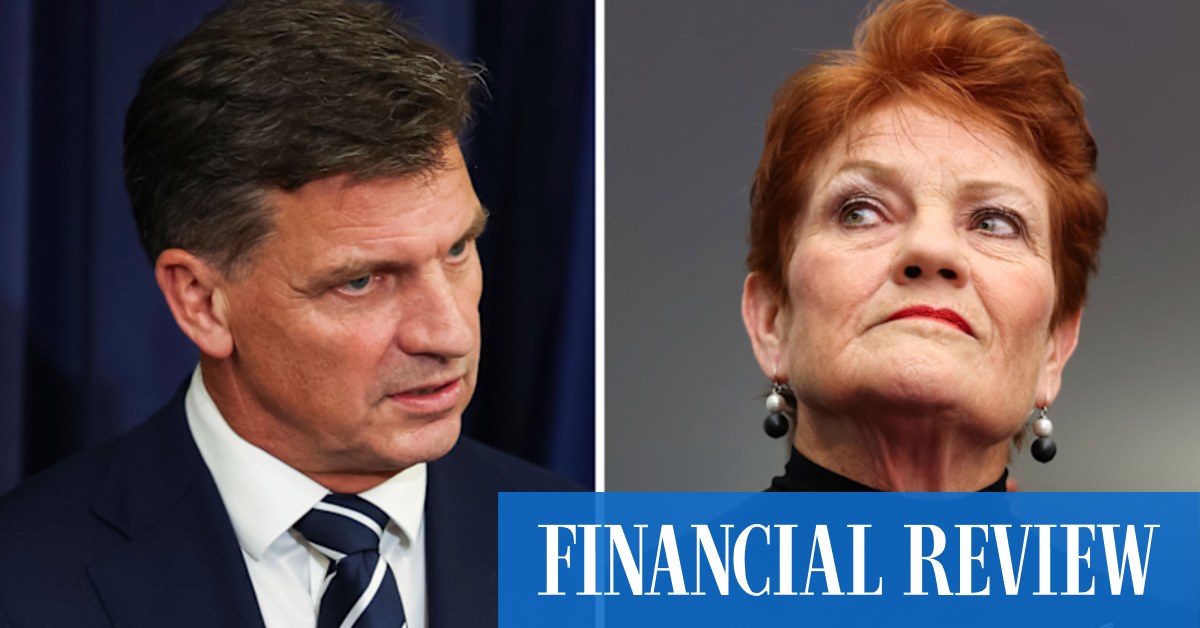
Opposition Leader Angus Taylor has warned that One Nation’s economic policies would “send Australia broke,” accusing the right-wing party of lacking a credible plan to fund its promises. In a speech at the Sydney Institute on Thursday, Taylor stated that four of One Nation’s policies alone would cost up to $1 trillion over a decade, with potential consequences including a tripling of national debt and a $20,000 annual increase in mortgage interest payments for average Australians. The claims mark Taylor’s most direct critique yet of the party, which has surged in polls and is now outpacing both the Coalition and Labor in some surveys.
One Nation’s Policies and Their Economic Impact
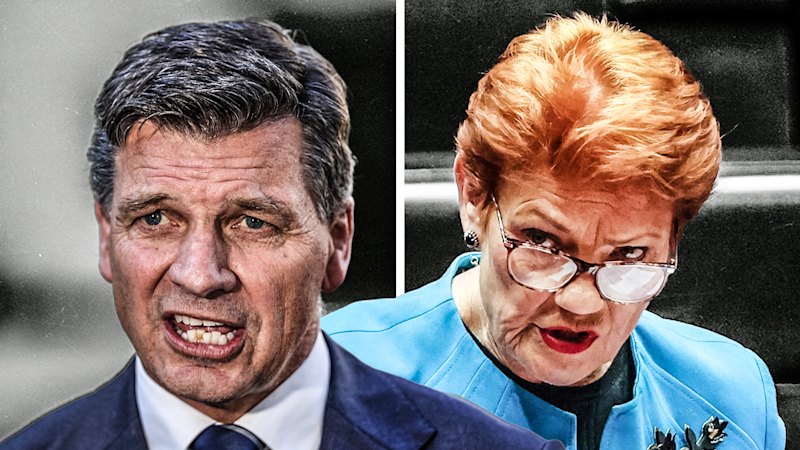
Taylor outlined specific policies he claims would destabilize Australia’s economy, including increasing defense spending to 3.5% of GDP, introducing income splitting for families, indexing income tax brackets to inflation, and implementing net zero migration. He argued these measures would trigger a “surge in inflation,” forcing the Reserve Bank of Australia (RBA) to raise interest rates by 3 percentage points. This, he said, would add approximately $20,000 annually in mortgage costs for new borrowers. Taylor also warned that the national debt, currently near $1 trillion, could nearly triple under One Nation, potentially sparking a sovereign debt crisis. “Their only alternative is deeper cuts to essential services—pensions and Medicare chief among them,” he stated.
Comparison to Labor’s Agenda and Political Strategy
Taylor positioned his own economic vision against both Labor and One Nation, accusing the governing party of a “big government agenda” that has eroded living standards and wages. He criticized Labor’s changes to negative gearing and capital gains tax as “anti-productivity” and vowed to reverse them, promising to cut government spending and target programs like the National Reconstruction Fund. However, he also warned that One Nation’s approach would be even more damaging, arguing that the party’s “explosion in government” would lead to “deep down, big government interventionism.” Taylor framed his argument as a choice between “self-determination and enterprise” and “managed decline,” calling for a return to “free enterprise” over what he described as Labor’s “command-and-control system.”
Context of One Nation’s Rising Influence and Internal Challenges
One Nation has seen a surge in support, with primary vote figures reaching 26–29% in recent polls, surpassing the Coalition in some surveys. Taylor acknowledged the party’s appeal to voters frustrated with both major parties, stating, “Many have lost hope. They look left at a government that lies to them. They look right at an opposition that has too many times let them down.” However, he dismissed One Nation as a “random grab bag of poorly defined, contradictory, and constantly changing positions,” citing internal inconsistencies such as its longest-serving MP describing the U.S. as the “world’s greatest terrorist organization” and a new MP voting with Greens and teal independents. Taylor also criticized the party’s leadership, calling it a “one person show” led by Pauline Hanson.
Political Dynamics and Unanswered Questions
While Taylor has taken a cautious approach to confronting One Nation, his speech followed increasingly aggressive rhetoric from Liberal colleagues like Andrew Hastie, who declared a “war” on the party. Taylor’s remarks come as Labor faces a critical test in upcoming by-elections, including in Western Australia’s Secret Harbour seat, where One Nation’s influence is seen as a potential threat. The opposition leader also faced scrutiny over his own stance on multiculturalism after Hanson called for a “monocultural” Australia, but he focused his speech on economic arguments. One Nation MP Barnaby Joyce declined to comment on Taylor’s claims, leaving the party’s response to the allegations unaddressed. The debate underscores the shifting dynamics of Australian politics, with Taylor seeking to reassert Coalition credibility while navigating the challenge of a resurgent minor party.
Find more reporting in our News section.
Worth a look

Quntis Monitor Light Bar Glow Features RGB LEDs and Ultrawide Support
The Quntis Monitor Light Bar Glow introduces a 20.1-inch metallic gray lighting system featuring an 88-front LED task...

Police Hunt Roommate After Waitress Jovia Namuwulya Murdered in Bukoto
Police in Kampala are investigating the murder of 22-year-old waitress and TikTok content creator Jovia Namuwulya, whose body...
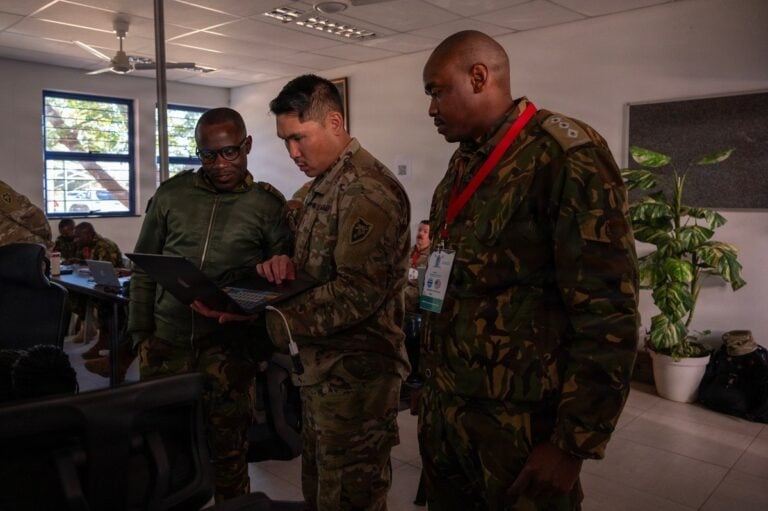
US and Botswana Forces Enhance Planning During Exercise Southern Accord 2026
Exercise Southern Accord 2026 concluded on August 15 at Gaborone Technical College in Botswana, uniting military personnel from...

China Recalls Millions of Teslas Over Flush Door Handles
Minimalist electronic door latches and flush exterior handles have defined the modern electric vehicle aesthetic since Tesla popularized...