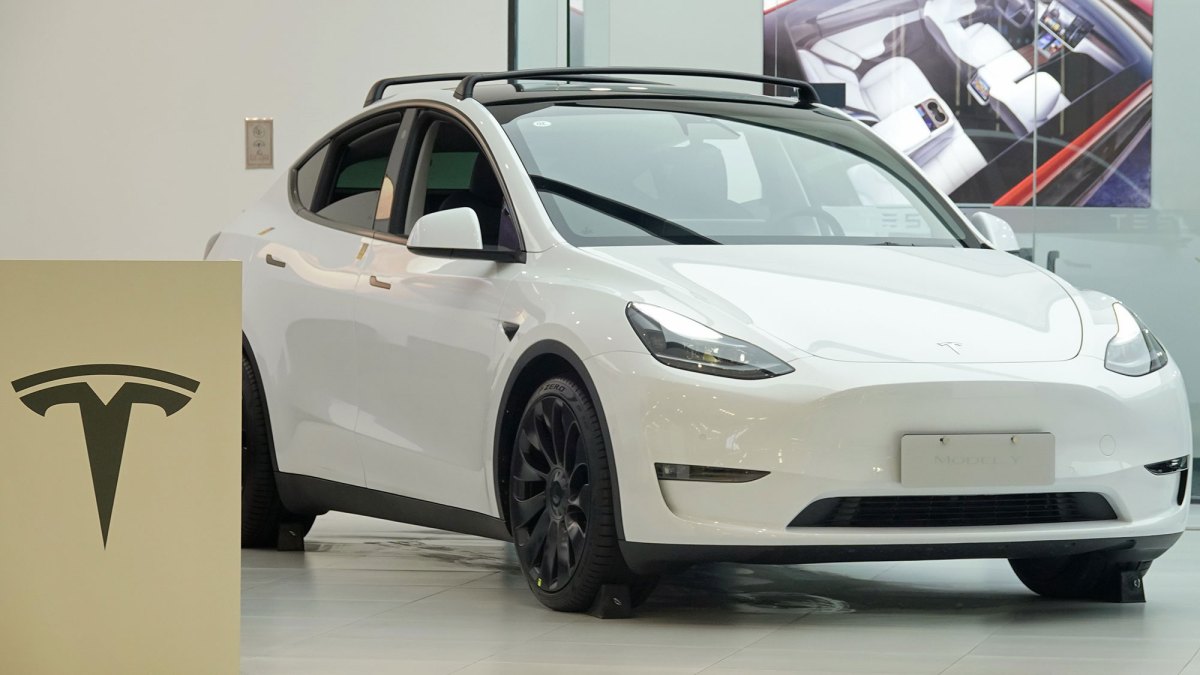
Minimalist electronic door latches and flush exterior handles have defined the modern electric vehicle aesthetic since Tesla popularized the look of its Model S sedan in 2014. But that sleek design choice has triggered a massive regulatory crackdown in China following fatal crashes where electronic power failures left vehicle occupants trapped inside as local authorities stepped up scrutiny.
China’s State Administration for Market Regulation Recalls Cars
The Austin-based U.S. carmaker accounts for the vast majority of the affected fleet, recalling approximately 2.98 million China-made and imported Model 3, Model Y, Model S, and Model X vehicles.
Domestic Chinese manufacturers are also significantly impacted by the sweep. Xiaomi is recalling more than 390,000 vehicles, while Leapmotor is pulling over 370,000 cars. Additional recall notices were filed by Geely, XPeng, Chery, Dongfeng, BAIC, and FAW.
Why Hidden Door Handles Failed Safety Inspections
The core hazard centers on emergency mechanical door releases that are hidden deep behind interior door panels or rendered invisible because their coloring matches the surrounding trim. According to regulatory filings, these emergency releases are difficult to identify and operate because their colour is similar to the interior trim
as Tesla described in its formal statement.
When an accident triggers a severe collision that knocks out the vehicle’s electrical grid, occupants inside or rescue workers outside cannot quickly locate the manual backup mechanisms. Regulators noted that in extreme situations, such failures hinder car users from escaping or prevent emergency personnel from opening the doors.
“The vehicles included in this recall have emergency mechanical door handles that are difficult to identify and operate because their colour is similar to the interior trim.”
Chinese authorities, via Drive.com.au
Industry analysts have praised the crackdown as a necessary correction for a sector that prioritized styling over practical egress. Cui Dongshu, head of the China Passenger Car Association, called the sweeping safety action an inevitable step
in the development of the electric vehicle industry and noted that automakers were adopting a more reliable, safety-first mindset.
Tesla’s Software Updates and Warning Label Fixes
To address the door handle hazard on vehicles already on Chinese roads, Tesla will install physical warning labels inside the affected cabins and deploy a mandatory over-the-air software update designed to automatically lower a vehicle’s windows after a collision.

At the same time, Tesla issued a separate, simultaneous recall in China covering 2.74 million vehicles to overhaul an insufficient attention monitoring mechanism. Rather than relying solely on steering wheel torque sensors while assisted steering is active, Tesla’s software upgrade will tap into the in-cabin cameras on Model 3 and Model Y vehicles to actively track driver eye movements.
Upcoming Regulatory Deadlines and Global Scrutiny
The massive domestic recall acts as a bridge toward an outright regulatory ban. Chinese authorities announced a formal ban on concealed door handles that takes effect on January 1, 2027, requiring all newly sold vehicles to feature clear mechanical releases on both interior and exterior doors. New models must incorporate recessed exterior handle dimensions measuring at least 2.4 inches wide, 0.8 inches tall, and 1 inch deep under specifications outlined by regulators. Automakers have until January 1, 2029, to fully redesign doors on existing approved models.
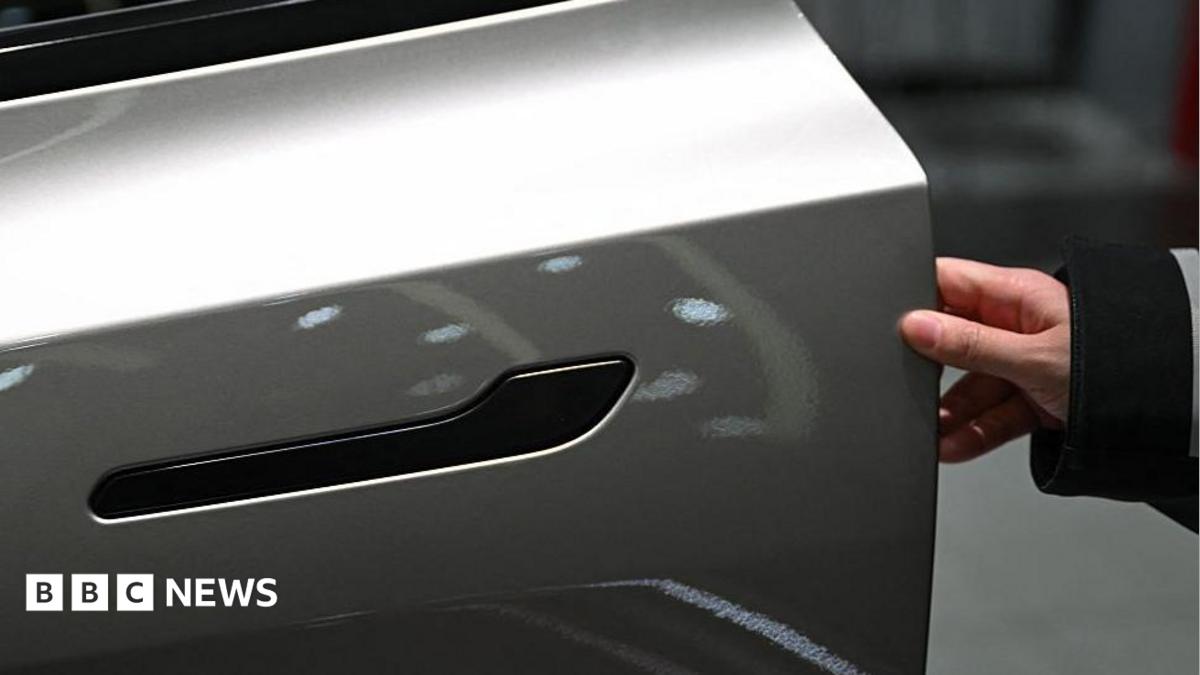
Parallel pressures are mounting internationally. U.S. safety regulators at the National Highway Traffic Safety Administration opened an investigation into Tesla’s door-latching system following reports that electronic handles suddenly stopped working, and the agency is considering establishing new formal safety standards for all manufacturers.
Worth a look

Southern District Prosecutors File 107 Border Cases Amid Drug and Smuggling Busts
Federal prosecutors in the Southern District of California filed 107 border-related cases this week, highlighting multiple drug seizures...
Man Fighting For Life After Hit-And-Run In Carlingford
A 34-year-old man was rescued from beneath a Nissan van and rushed to Westmead Hospital fighting for life...
FCC Rejects HoverAir Attempt to Bypass US Drone Ban With Modular Camera
Federal regulators have rejected a Chinese drone maker's attempt to bypass the United States foreign drone ban by...

PNP Partners with DOJ and Meralco to Boost Electricity Theft Convictions
The Philippine National Police revealed that fewer than five percent of electricity theft cases result in convictions since...