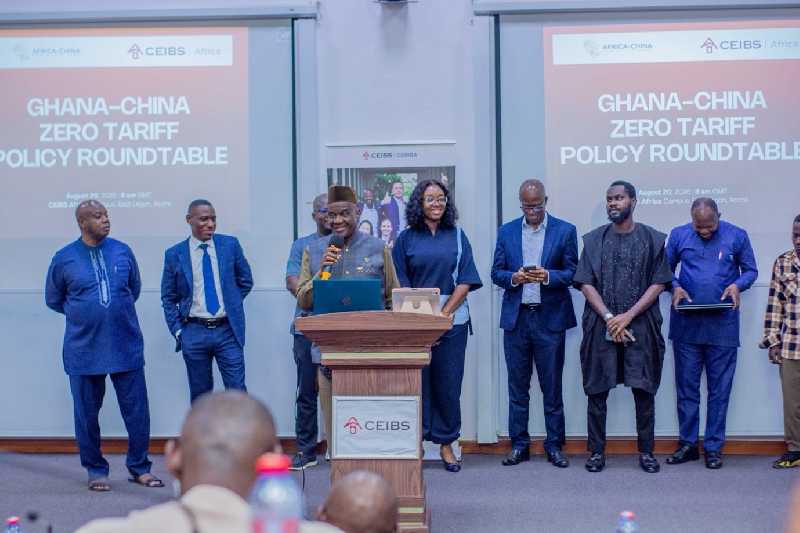
Stakeholders spanning government, financial institutions, regulatory agencies, the private sector, and academia have proposed creating a dedicated Ghana–China Zero-Tariff Fund. The proposed mechanism aims to clear financing constraints that could limit Ghanaian businesses from fully utilizing China’s zero-tariff policy.
Stakeholders Propose Dedicated Fund to Overcome Financing Hurdles
The proposal was brought forward during the Ghana–China Zero Tariff Policy Roundtable held in Accra. The high-level event was convened jointly by the China Europe International Business School (CEIBS Africa) and the Africa–China Centre for Policy and Advisory (ACCPA). During the roundtable’s interactive Zero Tariff Policy Lab, participants noted that small and medium-sized enterprises face severe capital shortages when trying to scale production, aggregate supply, invest in processing, and fulfill prospective orders from the Chinese market.
Financing the Entire Export Chain
Discussions at the roundtable emphasized that funding challenges extend far beyond conventional loans for individual exporters. Using the cashew sector as an illustrative model, attendees pointed out that expanding export volumes requires capital to aggregate produce directly from farmers and scale up operations. Participants proposed contract farming finance as a solution to support outgrowers and secure dependable supply lines.
Additional instruments recommended to target different stages of the value chain include warehouse financing, fintech-enabled financing, and equipment leasing. Furthermore, participants examined how development finance institutions such as the Ghana EXIM Bank and Development Bank Ghana could play a more active role in supporting export-oriented enterprises. Financial institutions were also urged to move past traditional lending models and design specialized products tailored to the emerging Ghana–China trade opportunity.
Bilateral Trade Context and Ambassador’s Framework
The policy discussions coincide with official data showing robust bilateral economic ties. According to figures from China’s General Administration of Customs, bilateral trade between Ghana and China hit a record US$14.12 billion in 2025, with Ghanaian exports reaching US$2.67 billion—a 33.9 percent year-on-year increase. Momentum has persisted following the zero-tariff policy rollout, with China’s imports from Ghana reaching US$290 million in June 2026, marking a 6.1 percent year-on-year increase and a 166 percent jump month-on-month.
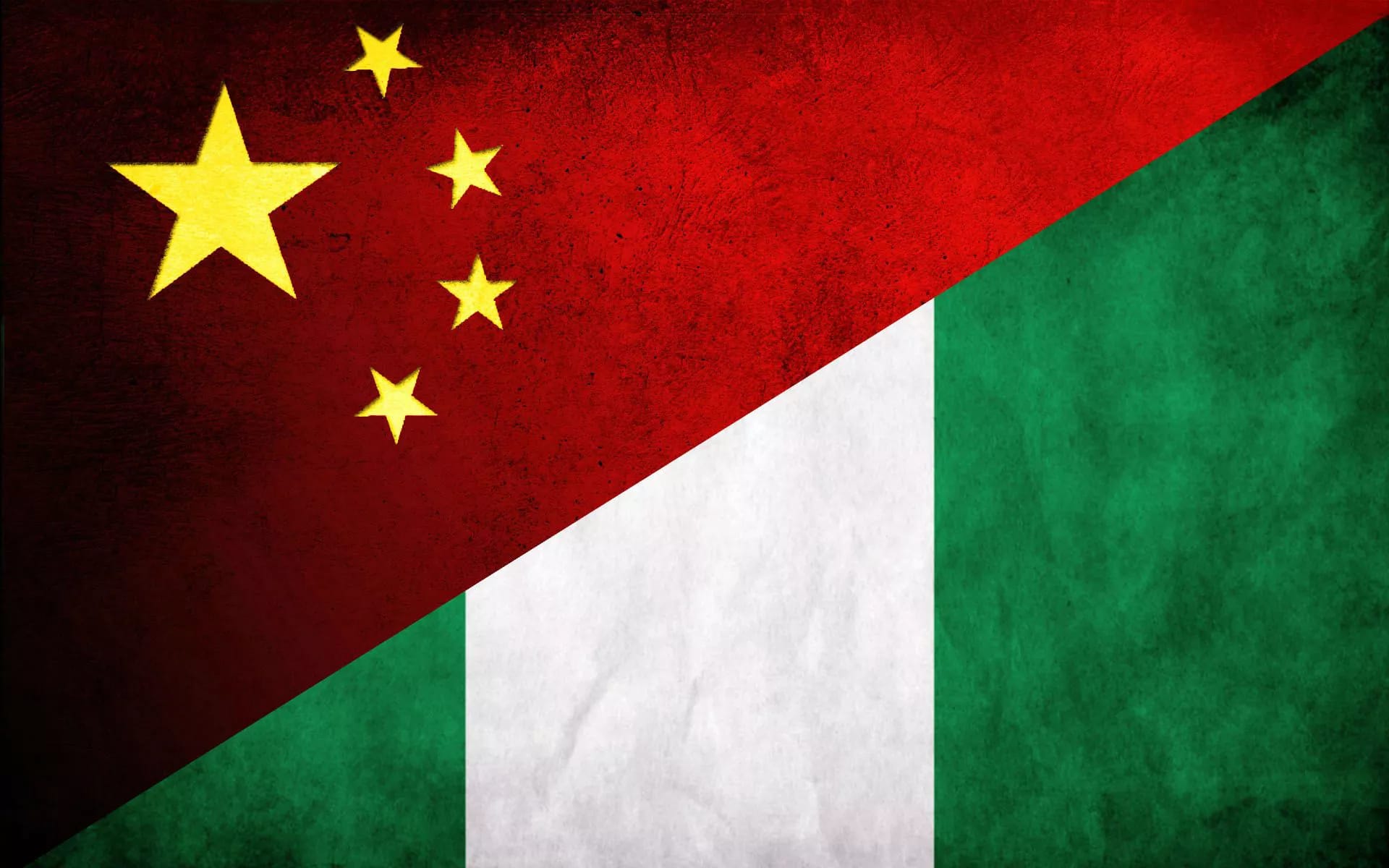
During the roundtable, Chinese Ambassador to Ghana Cong Song framed the zero-tariff initiative—which took effect on May 1, 2026, for 53 African nations maintaining diplomatic relations—around three core concepts: Access, Alignment, and Advocacy. Under Access, Ambassador Cong noted that the policy eliminates tariffs that previously ranged between 8 and 22 percent on items such as Ghanaian cocoa. Other high-potential export goods identified include cocoa products, cashew kernels, shea butter, textiles, handicrafts, pineapples, mangoes, and coconuts.
Capacity Building and Institutional Commitments
Under the second concept, Alignment, discussions centered on linking expanded market access with broader industrial development and local processing. Under Advocacy, stakeholders underscored the need for inclusive bilateral trade cooperation.
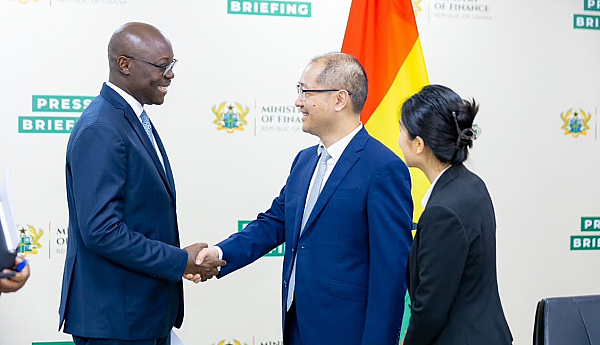
CEIBS Director Professor Gordon Adomdza stated that his institution is prepared to deliver capacity-building support to provide individuals and organizations across the value chain with the skills required to leverage the policy. Meanwhile, ACCPA Executive Director Paul Frimpong noted that the Centre will actively engage policymakers, industry operators, and academic researchers to resolve bottlenecks that could impede execution.
Despite the preferential market access, participants maintained that Ghanaian exporters must still enhance their production capacity, processing standards, quality certifications, logistics, and market intelligence to successfully compete in China.
Keep reading
- South Korea KOSPI Plunges 30 Percent Amid Retail Stock Mania
- Horse Sport Ireland Seeks High Court Protection and Interim Examiner
- China’s ‘Worst’ Animated Film ‘Niu Lai’ Becomes Unlikely Box Office Hit (archyde.com)
- Bitcoin developers propose BIP-361 to freeze quantum-vulnerable addresses (newsarchyuk.com)
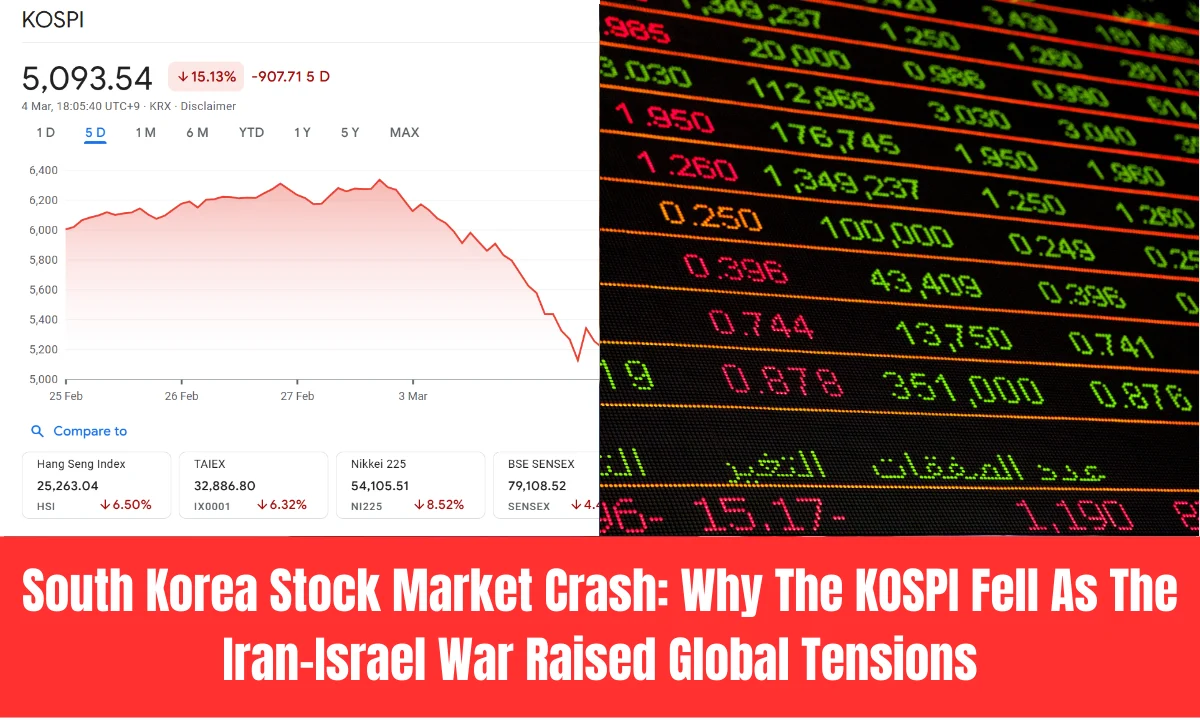
South Korea KOSPI Plunges 30 Percent Amid Retail Stock Mania
South Korea’s benchmark KOSPI index declined 30 percent from its peak amid extreme retail stock mania, leaving President...
Horse Sport Ireland Seeks High Court Protection and Interim Examiner
Horse Sport Ireland has secured High Court protection after due to legacy legal debts.
First Home Buyers Increase Loan Applications as Property Investors Retreat
Australia’s housing market is experiencing a significant transition following federal budget reforms that altered property taxation and restricted...

Buc-ee’s Faces Ohio Boycott After Suing Beaver’s Mini Mart Over Logo
Popular Texas-based convenience store chain Buc-ee's has ignited a public outcry across Ohio following a federal trademark infringement...