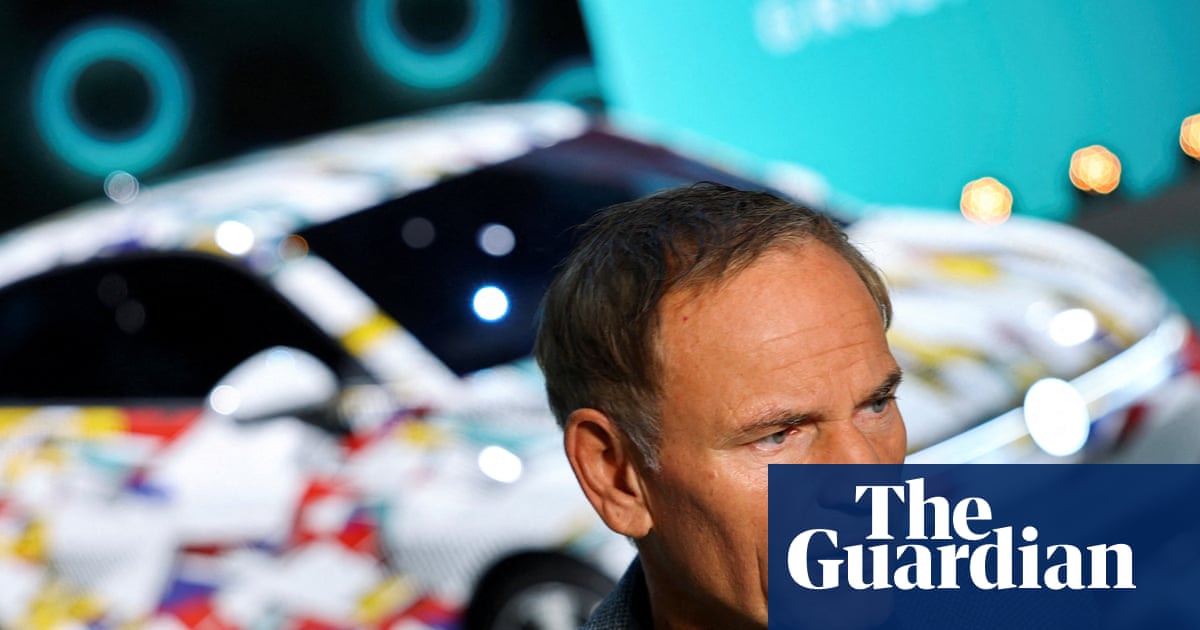
Volkswagen chief executive Oliver Blume faced boos and whistles of protest from more than 10,000 workers at the company’s headquarters in Wolfsburg, northern Germany. The tense gathering marked the first stop on a tour of German plants where Blume urged staff to pull together
amid a comprehensive reorganization.
Volkswagen CEO Oliver Blume Faces Backlash and Boos Over Restructuring Plan
The crisis-hit manufacturer has struggled with falling profits, overproduction in Europe, Chinese competition, US tariffs, and patchy demand for electric vehicles. Blume described the situation at Europe’s largest carmaker as more than critical
and warned that previous cost-cutting measures—such as an average reduction of 20% in costs at German factories last year—were insufficient because the company remains too big, too slow, and too complex.
Scale of Potential Job Reductions and Theoretical Calculations
Blume confirmed that up to 50,000 job cuts could be necessary to make the manufacturer competitive, addressing the scale of potential redundancies for the first time after German media reports suggested over 100,000 positions could be affected.
A theoretical calculation, assuming no change in labour costs, would result in around 50,000 job cuts worldwide,
Blume said, stressing that the worldwide plan was a theoretical calculation
rather than a firm target. He added that an assessment is currently underway across all brands, subsidiaries, and regions to determine necessary adjustments, and that staff costs must also be addressed.
Rather than forced job cuts, management intends to rely on voluntary personnel measures as much as possible, including phased retirement, mutual agreements, natural attrition, and a restrictive hiring policy. Blume characterized potential factory closures as the last and most costly resort
. Proposals to keep factories open include shifting manufacturing toward the defence industry and producing electric vehicles intended for sale in China rather than Europe at German facilities. However, manufacturing at the Osnabrück plant is set to end as soon as next year, and plants in Emden, Zwickau, Neckarsulm, and Hanover face a lack of future manufacturing prospects from 2030.
Labor Opposition and Upcoming Supervisory Board Showdown
Labor representatives voiced sharp criticism of the executive board during and after the Wolfsburg meeting. Daniela Cavallo, the head of VW’s works council, stated that opposition to factory closures remains strong and called German factories an integral part
of the group. Our trust in this company’s executive board, and in particular in its CEO Oliver Blume, has been damaged,
Cavallo said, adding that while the trust was damaged, it was not yet beyond repair
. Cavallo also accused management of keeping workers in the dark after restructuring details initially surfaced in the media.


Thorsten Groeger, an IG Metall union representative, stated that if management chooses to pursue only layoffs and cutbacks, labor will oppose it with all their might. Christiane Benner, another IG Metall union leader, acknowledged market pressures from China and US tariffs but advocated for alternative cost-cutting measures over job reductions.
The restructuring proposals face an immediate test at the upcoming supervisory board meeting, where two rival proposals have been submitted by labor and state government stakeholders, according to sources cited by Reuters. Under Germany’s system of co-determination, labor representatives hold half the seats on supervisory boards at large companies, and the German state of Lower Saxony—a shareholder that is home to several VW plants, including Wolfsburg—also holds board seats. Blume is scheduled to attend eight additional works council meetings in Braunschweig, Emden, Zwickau, Chemnitz, Dresden, Kassel-Baunatal, Salzgitter, and Hanover.
Tyro Payments Reports FY26 Profit and Cash Flow Growth
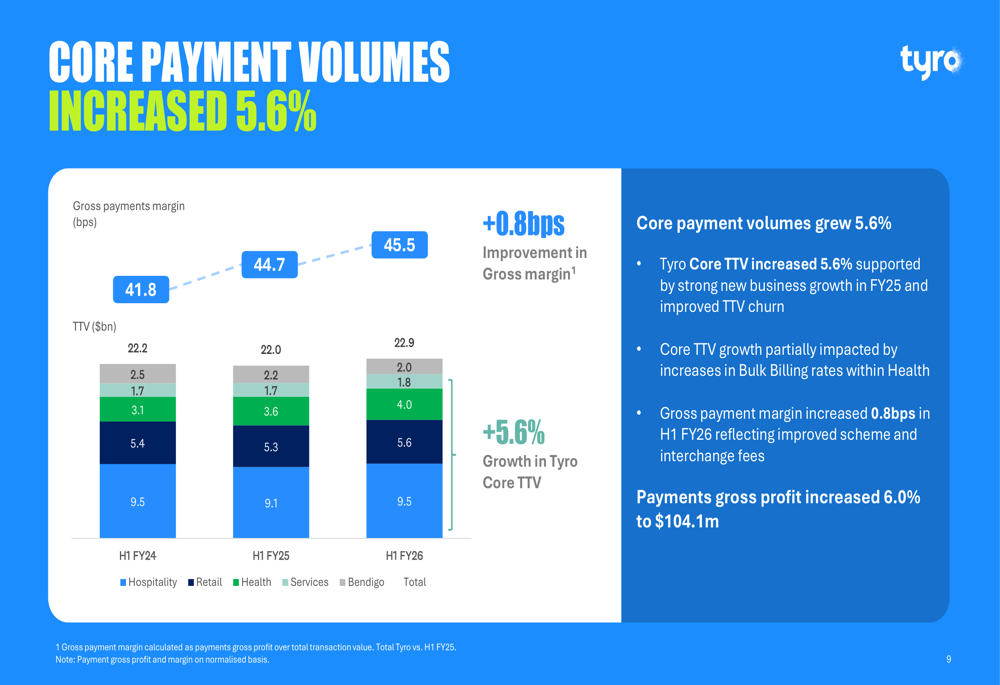
Tyro Payments Ltd delivered a strong financial performance for fiscal year 2026, meeting its guidance targets with increased...
South Korea KOSPI Plunges 30 Percent Amid Retail Stock Mania
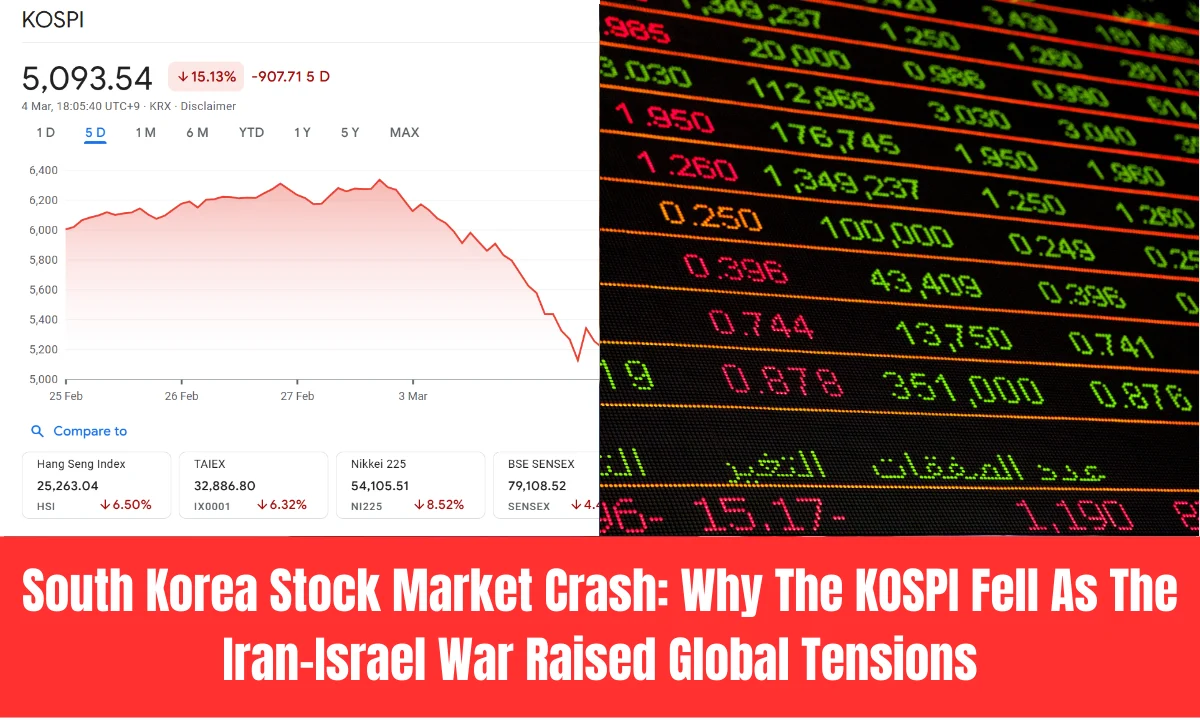
South Korea’s benchmark KOSPI index declined 30 percent from its peak amid extreme retail stock mania, leaving President...
Ghana Stakeholders Propose Zero-Tariff Fund to Boost Exports to China
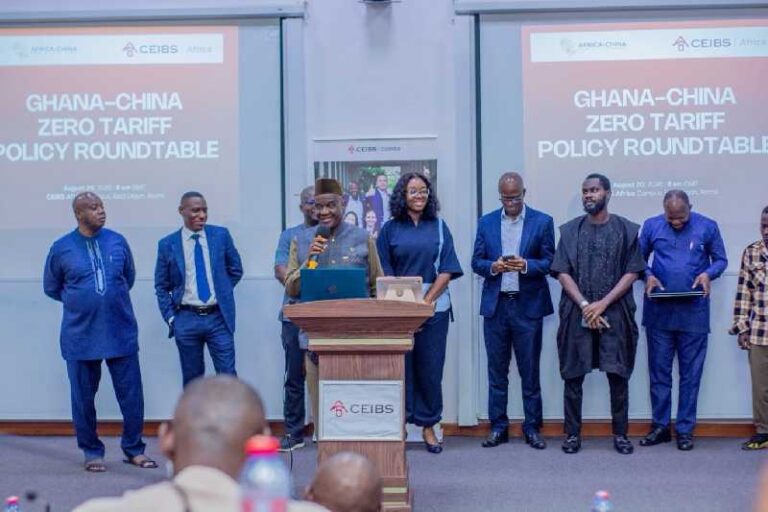
Stakeholders spanning government, financial institutions, regulatory agencies, the private sector, and academia have proposed creating a dedicated Ghana–China...
Horse Sport Ireland Seeks High Court Protection and Interim Examiner
Horse Sport Ireland has secured High Court protection after due to legacy legal debts.