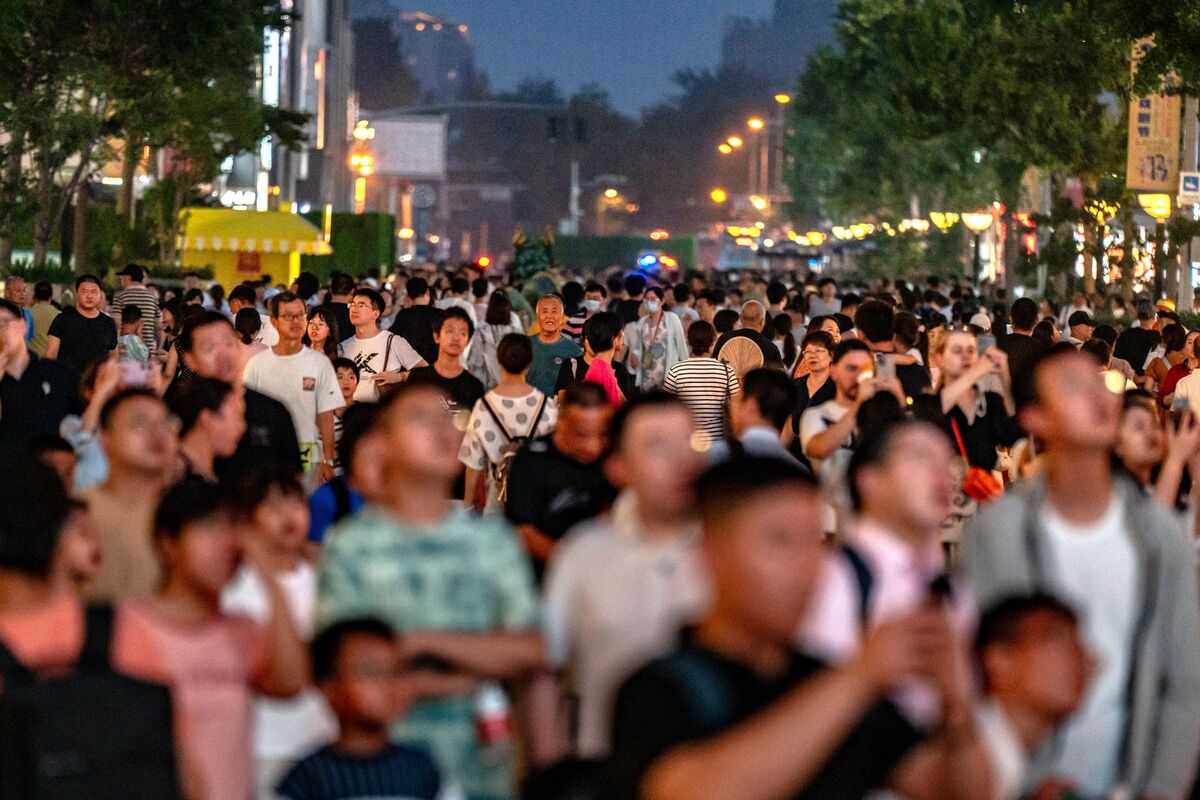
China’s producer price index (PPI) rose 4.1 per cent in June, reaching its highest level since July 2022, according to data from the National Bureau of Statistics (NBS) released on Thursday, July 9, 2026.
National Bureau of Statistics Reports PPI Rebound
The 4.1 per cent year-on-year increase in China’s producer price index marks the fourth consecutive month of growth, a sharp rebound from years of deflationary pressure. This acceleration, as reported by the NBS, was driven largely by higher costs in coal mining, electrical machinery, electronics, and ferrous metals. Much of this momentum traces back to the Middle East conflict, which pushed energy prices higher and helped end one of China’s longest deflationary streaks in decades when it first took hold in March.

However, the recent easing of tensions between the United States and Iran has already begun to shift the landscape. Global crude oil prices have retreated following a ceasefire, leading to a 0.3 per cent month-on-month decline in China’s PPI for June—the first such drop since July 2025. Tianchen Xu, senior economist at the Economist Intelligence Unit, noted that “oil prices are by and large on an easing course, and this will prevent PPI from going higher,” while attributing the year-on-year strength to the low-base effect from the previous year. Similarly, Julian Evans-Pritchard, head of China economics at Capital Economics, stated, “The latest escalation in US-Iran tensions could deliver some renewed upward pressure on inflation in the near term,” but added that “this will remain limited to a few narrow areas and inflation still looks set to return near zero once energy supply normalises.”
Automotive Sales Slump Reflects Weak Domestic Demand
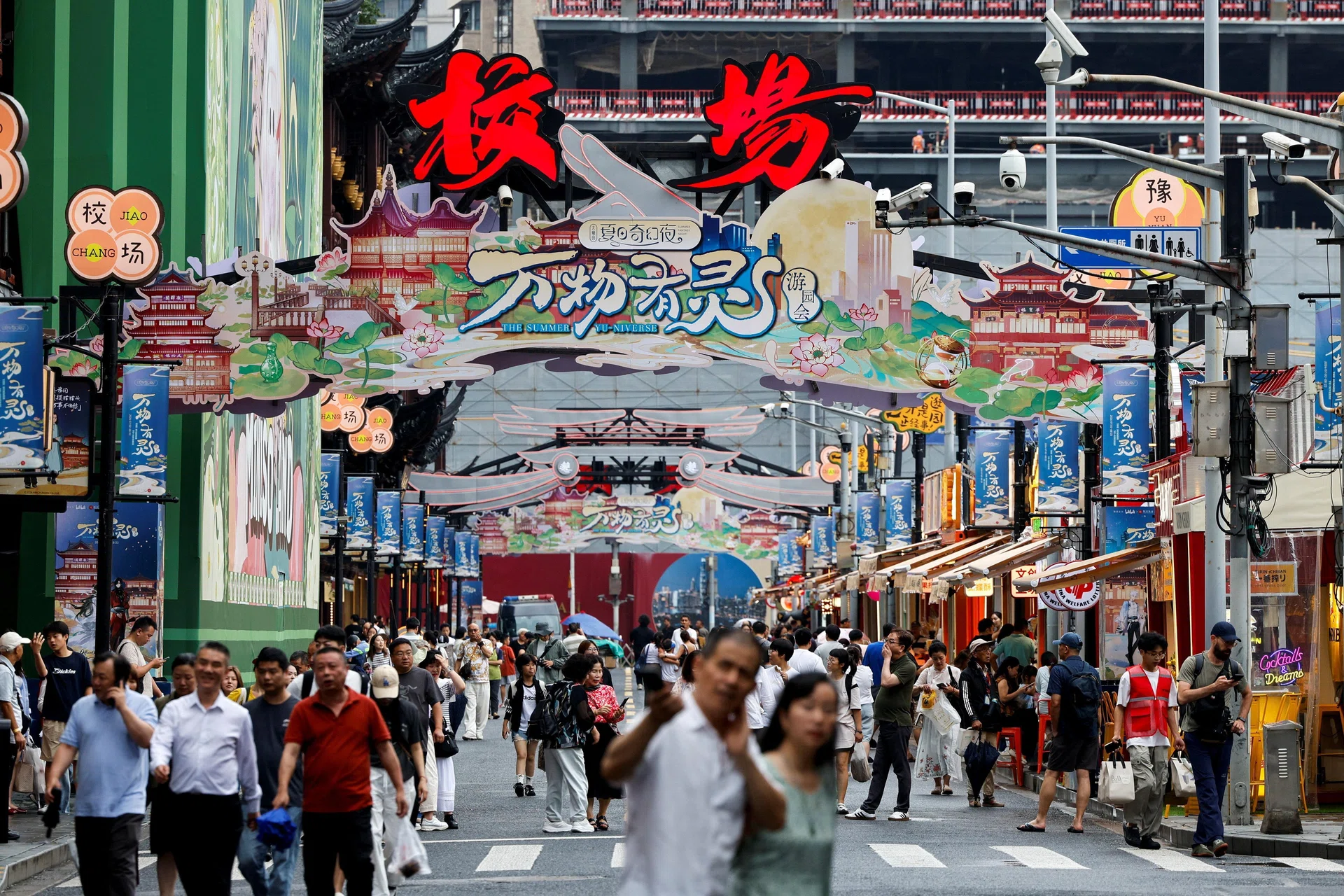
While upstream sectors and high-tech manufacturing—including carbon-based nanomaterials, virtual reality equipment, and wearables—have recorded month-on-month price gains, the broader economy remains constrained. Tianchen Xu highlighted that “factories can’t fully pass on cost increases to downstream clients,” a reality underscored by the persistent weakness in household spending. Evidence of this subdued demand is reflected in China’s auto sales, which fell for a ninth consecutive month in June, prompting carmakers to seek external markets.
This “two-track” dynamic has created a difficult environment for manufacturers. Consumer inflation (CPI) climbed 1 per cent last month year-on-year, slowing from a 1.2 per cent increase in May and missing the 1.1 per cent rise expected by economists in a Reuters poll. Core CPI, which excludes volatile food and energy costs, also rose 1 per cent, the slowest pace since January. Food prices dropped 1.6 per cent year-on-year, easing slightly from a 1.7 per cent fall in May. Neo Wang, China strategist at Evercore ISI, noted that many investors view this two-speed growth—robust exports versus weak consumption and housing—as a defining long-term feature of the Chinese economy, with consumer sentiment hampered by the negative wealth effect of the prolonged housing downturn.
People’s Bank of China Weighs Monetary Policy Action
With inflation remaining low and domestic demand soft, analysts are debating whether the government will shift its fiscal approach. According to Zhaopeng Xing, senior China strategist at ANZ, “The anti-involution campaign and low base effects would boost inflation again in the first quarter of 2027,” and “the inflation outlook allows policymakers to remain patient and keep interest rate cuts on hold in 2026.” Lynn Song, ING’s chief economist for Greater China, observed that “the data is moving from near-deflation to low positive inflation,” adding that “this sort of inflation level is not likely to impede the People’s Bank of China from monetary policy action, should it deem it necessary.”
| Metric | June Performance | Trend |
|---|---|---|
| PPI (Year-on-Year) | 4.1 per cent | Highest since July 2022 |
| CPI (Year-on-Year) | 1 per cent | Slowed from 1.2 per cent in May |
| PPI (Month-on-Month) | -0.3 per cent | First decline since July 2025 |
Teneo Managing Director Discusses Involution Crackdown
Despite the call for patience, pressure remains on policymakers to address systemic issues. The government has renewed its crackdown on “involution-style” competition, a campaign to rein in cut-throat price wars that have led to shrinking profit margins in sectors including electric vehicles, solar panels, lithium batteries, steel, cement, and food delivery. Gabriel Wildau, managing director at Teneo, stated that “policymakers are likely to refrain from major new stimulus unless the slowdown persists beyond the conflict.” As the economy navigates these headwinds, the export boom has allowed policymakers to postpone more decisive stimulus measures, leaving the market to watch for whether future policy meetings will necessitate a change in course.
Find more reporting in our Business section.
Related reading
First Home Buyers Increase Loan Applications as Property Investors Retreat
Australia’s housing market is experiencing a significant transition following federal budget reforms that altered property taxation and restricted...

Buc-ee’s Faces Ohio Boycott After Suing Beaver’s Mini Mart Over Logo
Popular Texas-based convenience store chain Buc-ee's has ignited a public outcry across Ohio following a federal trademark infringement...

Blank Street Coffee Chain Debuts on West Coast With Studio City Opening
Venture-backed cafe chain Blank Street opened its first Los Angeles location in Studio City on Aug.
U.S. Stocks Snap Winning Streaks as Bond Yields Surge to Two-Decade Highs
Global bond yields surged this week, sending the 30-year U.S.