On May 1, 2026, the European Union and the Mercosur bloc officially began provisional application of a historic free trade agreement, creating the world’s largest free trade zone. This deal, which covers approximately 720 million consumers, aims to reduce trade barriers and strengthen economic resilience amid shifting global geopolitical dynamics.
The European Union and Mercosur Bloc Trade Integration

The implementation of the EU–Mercosur agreement represents a significant evolution in European trade policy. After two decades of negotiations, the deal is framed not merely as a commercial transaction, but as a core pillar of the European Union’s pursuit of “Open Strategic Autonomy.” As the international rules-based order faces increasing strain, the European Union is actively seeking to diversify supply chains and reduce dependencies on single-source partners, according to reporting by Intereconomics.
By formalizing this partnership with Argentina, Brazil, Paraguay, and Uruguay, the European Union intends to bolster its economic competitiveness. Projections suggest that the elimination of high tariffs on key European export goods will generate savings exceeding €4 billion annually. Furthermore, the agreement is expected to drive a near 40% growth in EU exports to the Mercosur region, building upon a foundation where trade ties were already substantial, reaching €53.3 billion in 2024.
Howard Lutnick and Transatlantic Digital Regulatory Disputes

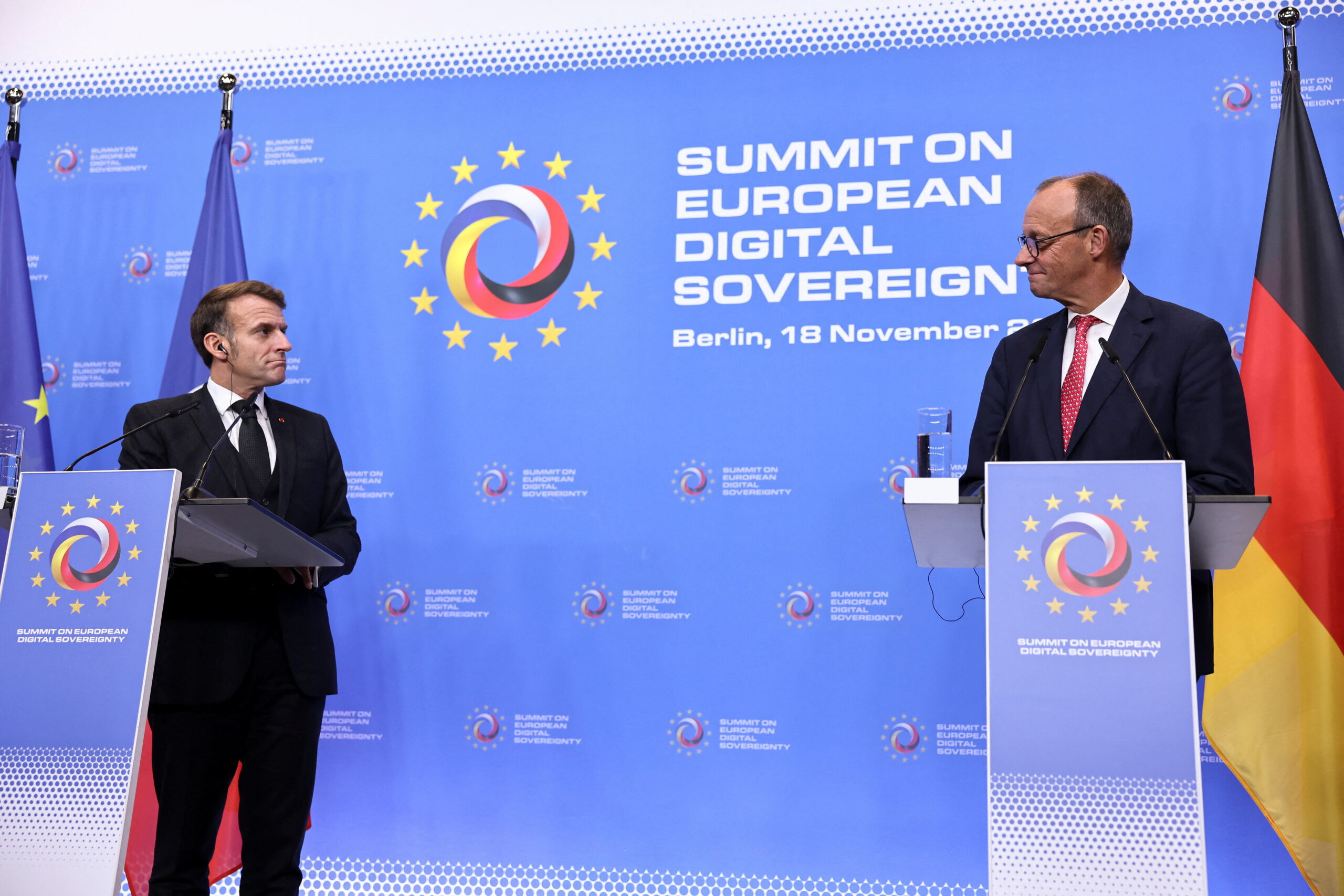
While the EU expands its trade footprint in South America, its relationship with the United States remains fraught with tension. The Atlantic Council reports that the Trump administration’s 2025 posture toward European tech regulation—specifically regarding “Digital Taxes, Digital Services Legislation, and Digital Markets regulations [that] are all designed to harm, or discriminate against American Technology”—has accelerated the European push for digital sovereignty.
This friction has tangible consequences for the $1.5-trillion transatlantic trading relationship. During a visit to Brussels in November 2025, U.S. Commerce Secretary Howard Lutnick signaled that the removal of European digital regulations could be a prerequisite for resolving disputes over steel and aluminum tariffs. This combative approach has forced European leaders to reconsider the reliability of transatlantic partnerships, pushing the EU to prioritize internal industrial capabilities in digital and green technologies.
The EU Institute for Security Studies and Cognitive Warfare
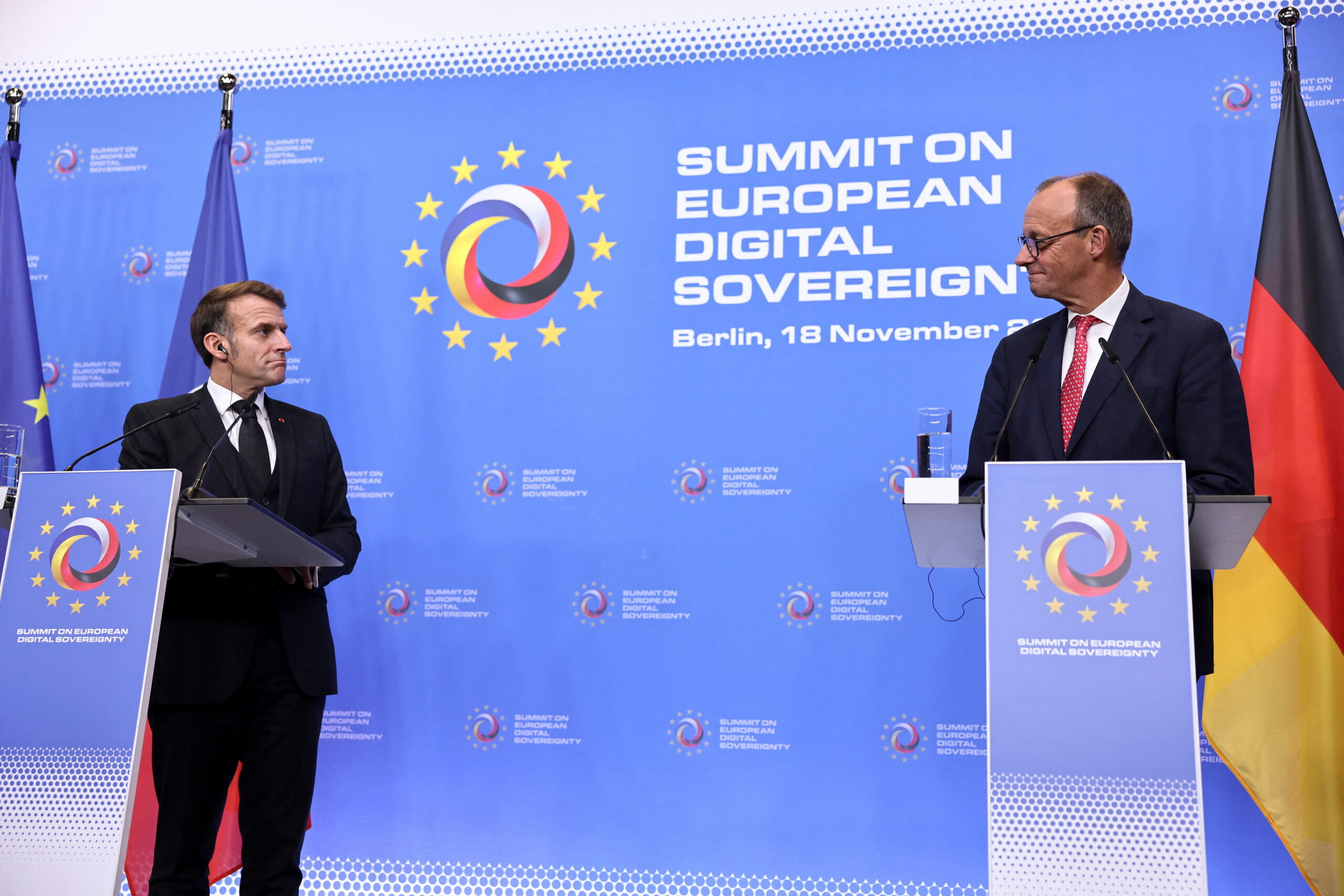
Beyond traditional trade and industrial policy, the European Union is increasingly focused on “cognitive security”—the protection of human perceptual and decision-making processes from external manipulation. The EU Institute for Security Studies (ISS) highlights that modern adversaries, particularly Russia, are exploiting psychological vulnerabilities through targeted influence campaigns and the weaponization of social media data.
The challenge is amplified by the rapid proliferation of generative AI. A 2025 study from the Joint Research Centre warns that synthetic media is significantly lowering the cost for foreign information manipulation and interference. In response, the EU has moved to expand its security frameworks beyond the 2022 Strategic Compass, deploying hybrid rapid response teams to counter operations that seek to erode public trust in democratic institutions.
South Korea and the Three-Hub Space Economy Strategy
As Europe refines its strategic autonomy, other nations are testing new models of industrial policy to remain competitive. South Korea, for instance, has launched a three-hub strategy to capture a share of the new space economy, committing 380.8 billion Korean won ($290 million) to satellite manufacturing, research, and launch operations.
According to the Carnegie Endowment for International Peace, this initiative serves as a critical test for whether government-industry coordination can adapt to high-tech sectors where traditional “stepwise” development is no longer viable. The success of these clusters depends on overcoming the geographic and administrative silos between research hubs in Daejeon and manufacturing centers in Sacheon. Like the European shift toward strategic-industrial autonomy, the South Korean model highlights the necessity of “transformational” shifts in how governments nurture domestic capabilities to compete in globally integrated markets.
The overarching trend is clear: whether through the expansion of trade blocs in South America, the tightening of digital regulations against U.S. tech giants, or the development of specialized space clusters, global powers are moving away from the era of frictionless globalization toward a defensive, strategically managed economic order.
Find more reporting in our World section.
Related reading
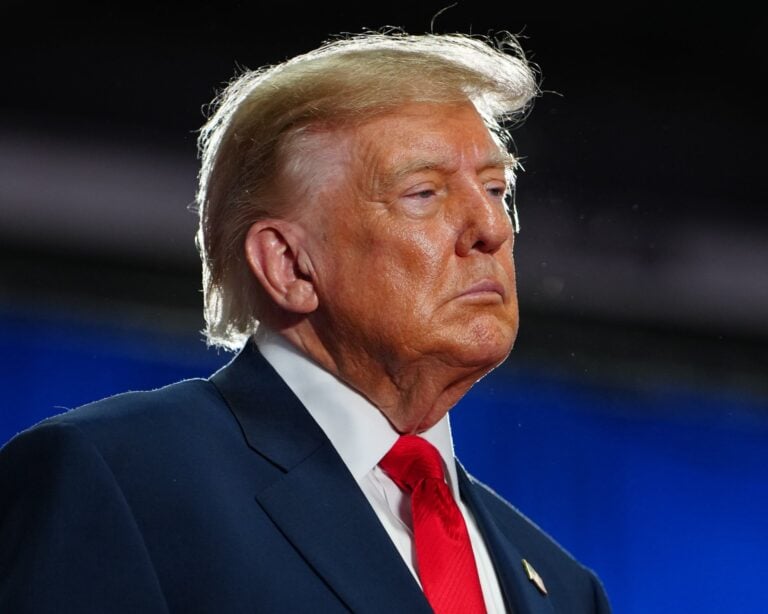
Trump says Norway has an ‘indelible stain’ for not awarding him Nobel Peace Prize
Navi Pillay, a South African jurist and former United Nations human rights chief, won the 2026 Nobel Peace...
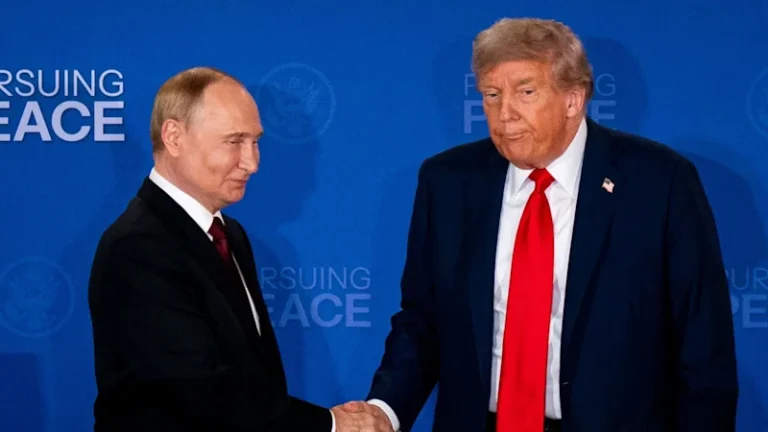
Trump Announces Russian Diesel Deal as Zelensky Condemns Agreement
US President Donald Trump announced a deal with Russian President Vladimir Putin to import Russian diesel into the...

Germany Indicts Former Ukrainian Officer in Nord Stream Sabotage Case
Four years after underwater explosions ruptured the Nord Stream pipelines, Germany’s federal prosecutor has indicted a former Ukrainian...
Malaysia Tables Record 459.8 Billion Ringgit Budget to Boost Welfare
Malaysia Prime Minister Anwar Ibrahim tabled an expansionary budget of 459.8 billion ringgit on October 9, 2026, boosting...