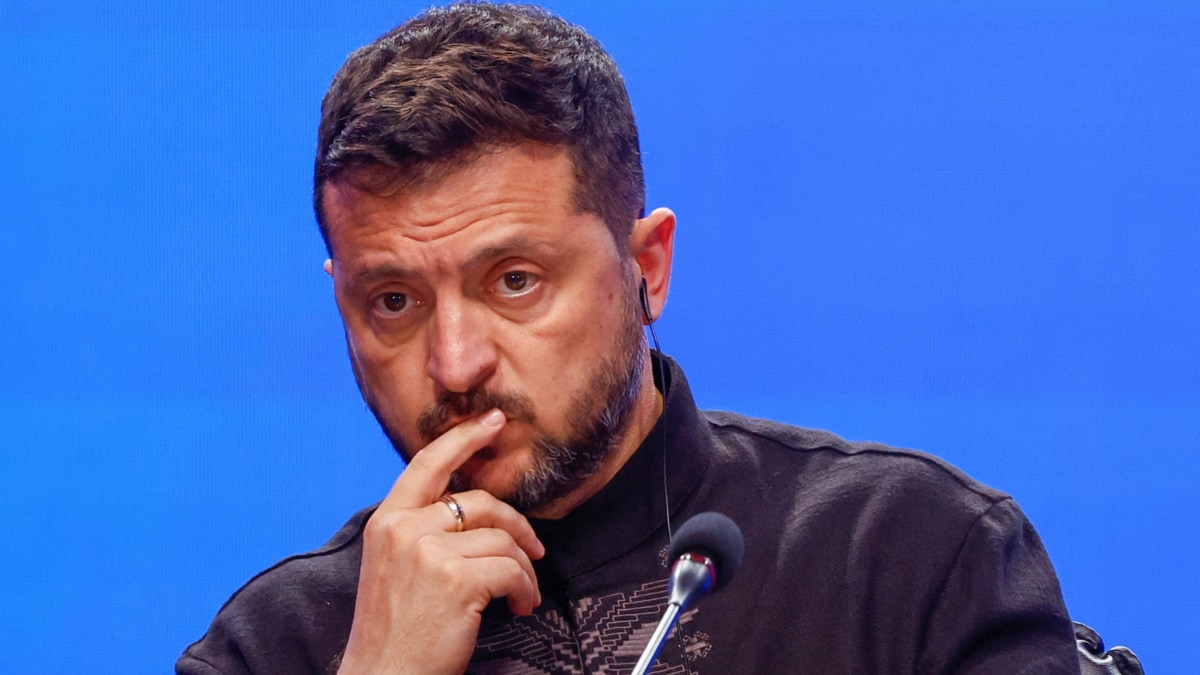
Ukrainian President Volodymyr Zelensky has warned airlines to avoid Russian airspace, citing escalating drone strikes that he says have made the region completely dangerous,
while Russian President Vladimir Putin condemned the remarks as a declaration of state terrorism.
The conflict’s spillover into aviation safety has intensified as both sides escalate long-range attacks, with Osprey Flight Solutions alerting clients to the risks of deeper incursions into Russian territory.
Zelensky’s warning, delivered in his nightly video address, emphasized that while Ukraine does not target civilian aircraft, the growing presence of drones in Russian skies necessitates caution. The Russian sky is becoming completely dangerous,
he said, directing the message to airlines, insurers, and airports in cities like Moscow and St. Petersburg. The statement came as Ukraine intensifies strikes on energy infrastructure and retail targets deep within Russia, a shift that has prompted aviation risk advisory firm Osprey Flight Solutions to highlight the realistic possibility
of increased drone activity in the short term.
Putin Condemns Zelensky’s Warning as ‘State Terrorism’
Russian President Vladimir Putin rejected Zelensky’s remarks as a declaration of state terrorism,
accusing Ukraine of targeting civilian aviation. They are asking us to resume negotiations… but you don’t negotiate with terrorists,
Putin said during a televised news conference. His comments followed a wave of Russian strikes that killed 12 people in Kyiv and the surrounding region, with Moscow also acknowledging that Ukrainian attacks had damaged infrastructure inside Russia. Putin reiterated claims that only 10% of oil refineries remained to repair, though he did not specify the source of this figure.
The exchange underscores the escalating tensions between the two nations, with both sides accusing the other of endangering civilian aviation. Zelensky’s statement aligns with a broader effort to pressure foreign carriers to avoid Russian airspace, a move that could disrupt routes between Asia and Europe. Chinese, Turkish, and Gulf state airlines have continued to operate flights through Russian territory, citing fuel and time savings, despite the risks. Other carriers have largely avoided the eastern European region since the beginning of Russia’s full-scale invasion in February, 2022.
Aviation Risks and Historical Precedents
The current crisis echoes past incidents that have highlighted the dangers of conflict zones for civilian aviation. In 2014, Malaysia Airlines Flight MH17 was shot down over eastern Ukraine, killing all 298 on board. The UN aviation agency later ruled Russia responsible, though the Kremlin has consistently denied involvement. In 2024, Putin apologized to the president of neighbouring Azerbaijan over the downing of a commercial airliner in Russian airspace, which killed 38 people, calling the tragic incident
linked to Russian air defence systems.
Zelensky’s warning also comes amid renewed concerns about airspace safety. Osprey Flight Solutions noted that while most Ukrainian strikes occur within 300km (186 miles) of the border, daily attacks deeper inside Russia are almost certain to continue this year. The firm added that miscalculation and/or misidentification is likely in areas related to the Ukraine conflict,
a statement that underscores the risks for airlines navigating the region.
Diplomatic Tensions and Strategic Implications
The standoff has broader implications for global aviation. Airlines operating in the region face the prospect of rerouting flights, which could add hours to travel times and increase fuel costs.

The coming weeks will test the effectiveness of Zelensky’s warnings and Putin’s escalating military actions. With Ukraine’s strikes likely to continue, the pressure on airlines to avoid Russian airspace may intensify, potentially reshaping air travel routes. Meanwhile, diplomatic efforts aimed at ending the war, including US-mediated talks, remain stalled. As both sides prepare for further escalation, the safety of civilian aviation will remain a critical concern, with the potential to impact global trade and passenger travel.
The situation also raises questions about the role of international organizations in mediating the conflict. As the war enters its fifth year, the intersection of military strategy and civilian safety will continue to shape the trajectory of the conflict and its global repercussions.

BP Appoints Ian Tyler as New Chair
BP appointed Ian Tyler as its new chair, ending months of turmoil following the contentious removal of Albert...

Grand Canyon Flash Flood Kills Dr. John Giusti
A flash flood in Arizona’s Grand Canyon killed at least two hikers, left one missing, and forced the...

NSW Police Officer Boasts of Punching Protester in Leaked Body-Cam Footage
Leaked body-worn camera footage from a February protest outside Sydney Town Hall captures a New South Wales police...
Lebanon Tells Iran to Liaise Through Official State Institutions
Lebanon and Iran engaged in a diplomatic dispute after Iranian Foreign Minister Abbas Araghchi criticized Beirut's handling of...