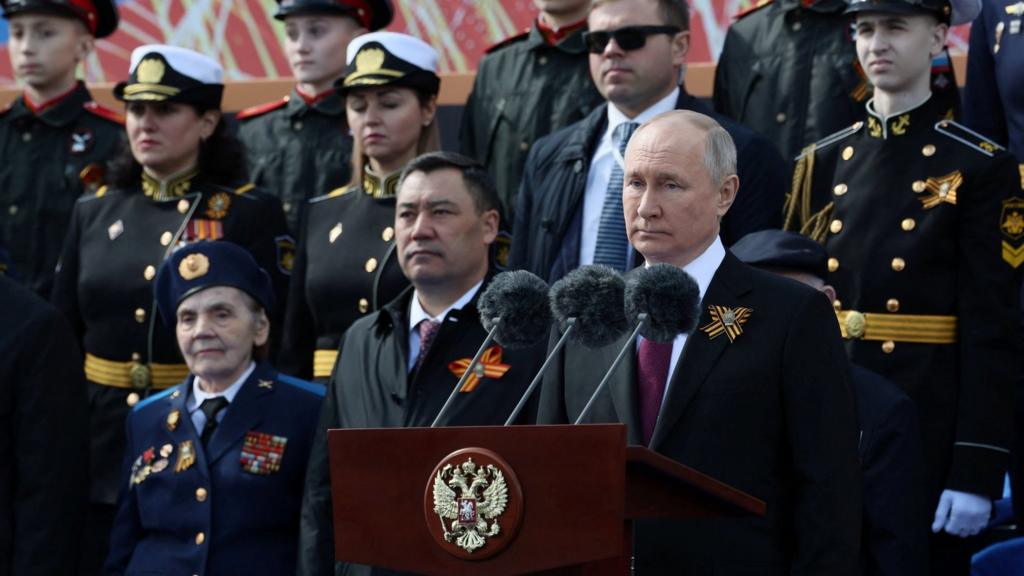
Russian President Vladimir Putin could deploy tactical nuclear weapons in Ukraine as a last resort as peace talks stall.
Tactical Nuclear Escalation Risks and Failed Peace Talks
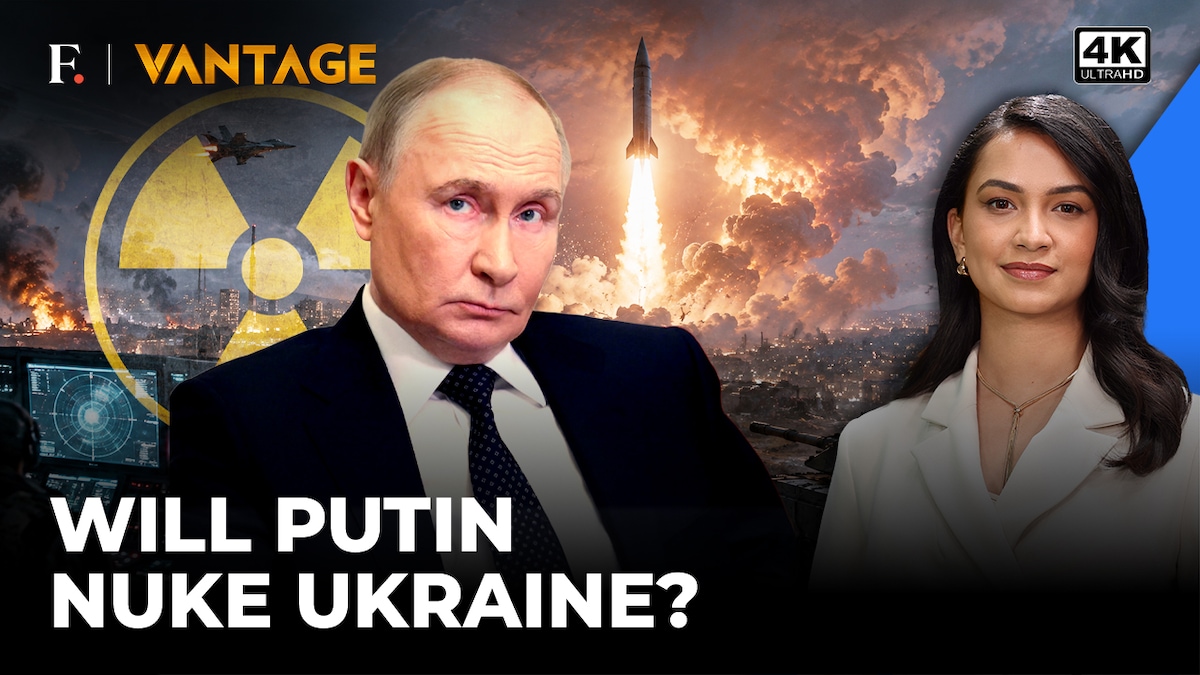
Russian leadership is considering tactical nuclear weapons as a final option in the ongoing conflict, according to sources close to the Kremlin cited in recent reports. These short-range arms are designed for limited battlefield missions rather than targeting full cities, though they possess immense destructive power and can contaminate large tracts of land with radioactive fallout. The potential shift in posture follows Moscow’s assessment that negotiations for a diplomatic settlement have reached a complete dead end.
While Russia has conducted at least five tactical nuclear drills since the war began, experts note that an actual strike remains far from reality. US intelligence estimates indicate that Russia holds a stockpile of at least 2,000 tactical nuclear weapons, which include systems such as the Iskander-M, the Kalibr cruise missile, gravity bombs, and the hypersonic Kinzhal. International pressure against any such deployment has mounted from multiple directions. China and India have issued warnings against nuclear use, and senior European officials along with Ukrainian President Volodymyr Zelensky confirmed that Beijing delivered a direct message instructing Moscow against even considering a tactical detonation.
Intensifying Conventional Strikes and the Opening of Pandora’s Box
Before reaching for an ultimate option, Moscow has ramped up conventional military pressure. Russia launched at least 260 missiles in a single night wave on August 26, striking Kyiv and hitting power grids, logistical hubs, and commercial warehouses. In addition to these large-scale missile barrages, Russia is weighing further conventional ballistic missile attacks against Kyiv and critical infrastructure targets across other Ukrainian cities.
The escalation reflects a hardening stance in Moscow as Ukraine pushes its long-range drone campaign deep into Russian territory, specifically targeting oil refineries and major e-commerce warehouses to disrupt the wartime economy. Because Kyiv relies on weapons and intelligence provided by NATO member countries to execute these operations, the Kremlin views the strikes as direct actions by the alliance itself. Dismissing the dampening effects of Western economic sanctions, Putin asserted that Ukraine has opened this Pandora’s box
.
Putin also warned Ukrainian leadership to be ready to get a blowback
directed at its most vulnerable economic sectors.
Intelligence Visits and US Assessments on NATO Borders
Frictions extend beyond the immediate borders of Ukraine. CIA Director John Ratcliffe travelled to Moscow to warn Russian officials against testing the resolve of the NATO alliance by targeting one of its member states. According to the Journal, US intelligence agencies have assessed that Russian President Vladimir Putin could consider testing NATO in the coming years with a limited military operation against an alliance member. The concern is that Moscow may not necessarily begin with a full-scale attack, and US officials believe the possible options could range from a cyberattack to a small ground incursion.
The high-level diplomatic contacts have drawn varied official responses. While Ratcliffe met with Russian intelligence officials this week, Kremlin spokesman Dmitry Peskov said on Wednesday that the meetings were not with Putin, although the Russian president was briefed about the discussions. Moscow pushed back sharply against the public characterization of the visit, with Peskov addressing reporters regarding the reports of a potential future strike on NATO members.
“A lot of such scare stories are being published right now. Of course, they have nothing to do with reality”
Dmitry Peskov, Kremlin spokesman
Peskov dismissed the speculation as unfounded, even as diplomatic and intelligence channels remain active between Washington and Moscow to manage the escalating risks in what is the latest in a series of high-level US contacts with Russia.