
The Rundu Town Council launched a wholly owned commercial subsidiary, Rundu Town Council Commercial Services (Pty) Ltd, at the Rundu Trade Fair Centre to strengthen municipal revenue collection and support local development amid rising unpaid municipal bills totaling N$427.6 million.
Facing mounting financial pressure from years of unpaid municipal accounts, the Rundu Town Council has officially established a commercial subsidiary known as Rundu Town Council Commercial Services (Pty) Ltd, or RTCCS. The new corporate entity was unveiled during the fourth Rundu Mayoral Business Forum in Kavango East, drawing representatives from local and national government to address the town’s widening debt book.
According to the council’s 2024 annual report, the municipality’s outstanding debt increased from approximately N$345.8 million in June 2023 to N$427.6 million by June 2024, representing a 23.6% jump. Strategic executive for Community Services Francisca Kupembona noted that a rapidly growing urban population has intensified local demand for municipal services while revenue collection lagged behind.
Leveraging Municipal Assets and Land for Revenue
The newly formed commercial company is designed to diversify municipal income sources without relying strictly on raised tariffs or central government transfers. Prime Minister Dr Tjitunga Elijah Ngurare, whose remarks were delivered by Executive Director in the Office of the Prime Minister Petrus Sindimba at the launch event at the Rundu Trade Fair Centre, emphasized that the subsidiary must look beyond short-term gains.
The aim, therefore, should not just be profit. Public service delivery should always come first,
Ngurare said.
Dr Tjitunga Elijah Ngurare, Prime Minister
As part of its initial capitalization, the town council has already transferred land assets to the subsidiary’s balance sheet. Government officials stressed that these holdings must be transformed into active economic drivers rather than sitting idle as accounting entries.
Land can become a commercial development, an industrial park, a tourism facility, an agro-processing centre or another investment capable of creating employment and generating sustainable revenue, Ngurare said
Dr Tjitunga Elijah Ngurare, Prime Minister
Target Industries and Private Sector Partnerships
Positioned strategically in north-eastern Namibia with close proximity to Angola and the wider SADC market, Rundu aims to tap into regional trade and investment. Ngurare outlined several prospective economic sectors for the new company, including property development, tourism and hospitality, agriculture, logistics, renewable energy, and waste management.
At the same time, national leadership issued a clear directive preventing the municipal vehicle from shutting out private enterprises. The company is urged to pursue joint ventures and strategic partnerships rather than competing directly with existing commercial businesses.
“Where the private sector can efficiently undertake commercial activities, it should be enabled to do so. The company should instead seek partnerships, joint ventures and other arrangements that mobilise private capital, expertise and innovation,” he said.
Dr Tjitunga Elijah Ngurare, Prime Minister
Governance Standards and Long-Term Expectations
To avoid past administrative pitfalls, the operational framework of RTCCS requires a strict division of responsibilities between the town council as a shareholder, the board of directors, and corporate management. Officials warned that leadership positions must rely strictly on competence and transparency rather than patronage or unnecessary bureaucracy.
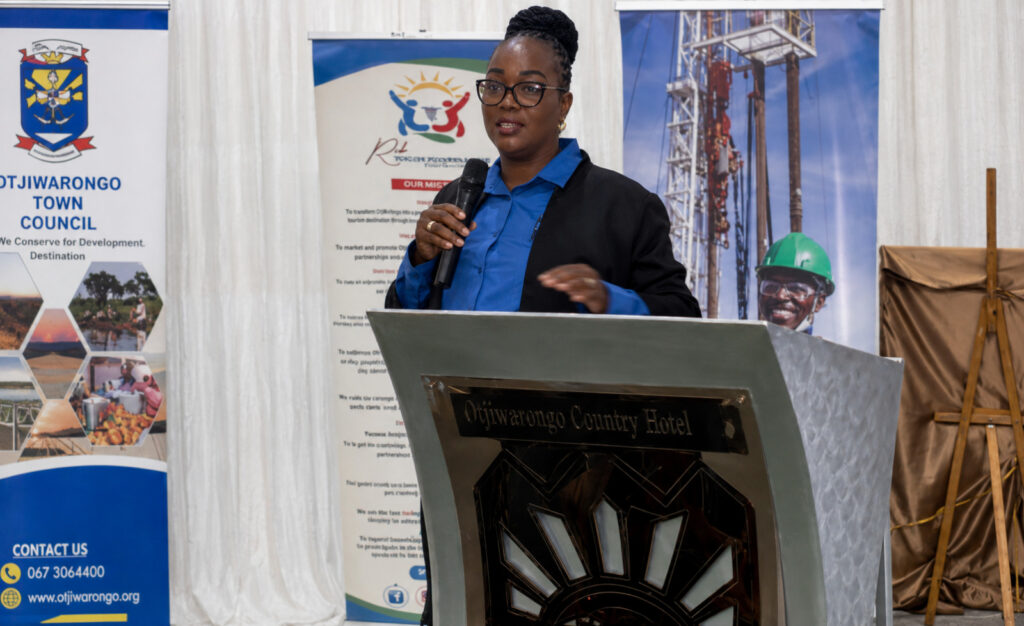
“RTCCS must never become a vehicle for patronage, unnecessary bureaucracy or the accumulation of unsustainable liabilities. It must operate as a professional and commercially disciplined enterprise whose ultimate purpose is to create value for the people of Rundu,” he said.
Dr Tjitunga Elijah Ngurare, Prime Minister
The corporate launch marks the transition from planning to execution, with stakeholders watching to see if business plans convert into operational projects, secure investment capital, and eventually return capital gains to local municipal services.

Qantas Flight Diverts to Christchurch After Engine Flames on Takeoff
A Boeing 737-800 operating flight QF122 from Queenstown to Sydney was forced to divert to Christchurch on September...
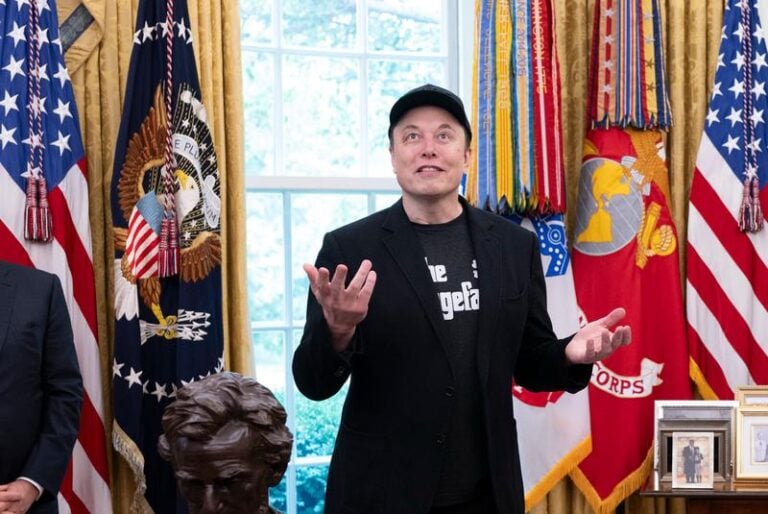
Tesla Launches Cybercab in Austin as Federal Regulators Open Safety Probe
Tesla put its two-seat Cybercab into service at an invite-only event in downtown Austin, Texas.
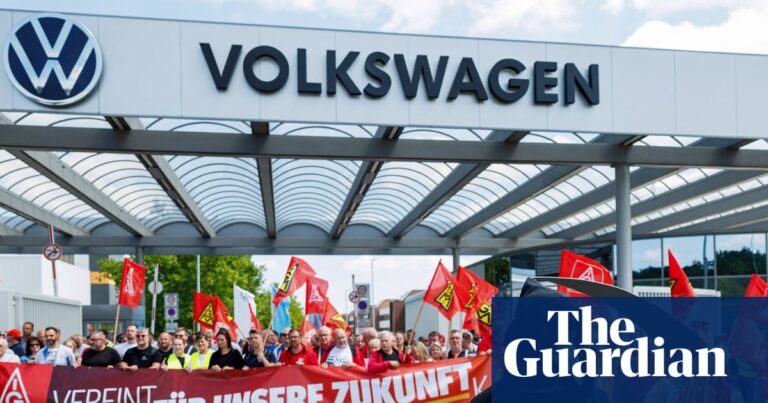
Volkswagen Supervisory Board Approves Plan to Cut 100,000 Jobs by 2030
The restructuring addresses fierce competition from Chinese automakers, falling profits, and heavy U.S. import tariffs.

South African Business Delegation Visits New Delhi to Address Trade Deficit
A South African business delegation is visiting New Delhi to explore opportunities for expanding economic ties with India...