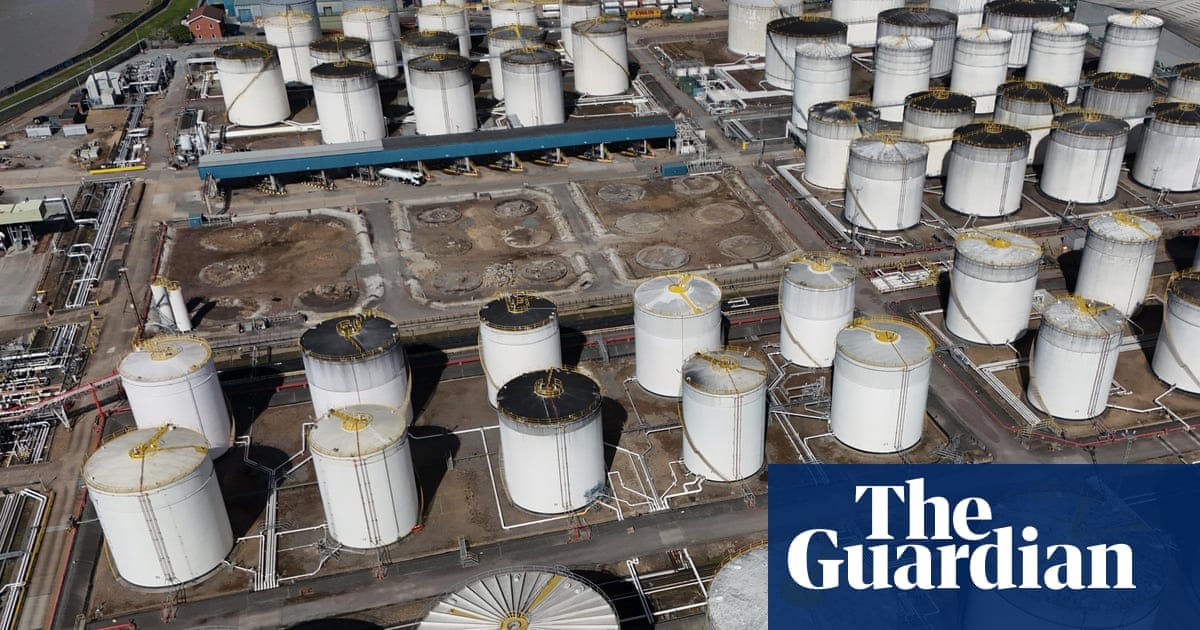
Benchmark Brent crude rose past $100 a barrel on Wednesday, September 9, 2026, marking its highest point since July as an escalating conflict between the United States and Iran threatened global oil supplies, stoked inflation fears, and drove energy prices higher across international markets.
The symbolic breach sent shockwaves through commodity markets as Brent crude futures rose $2.15, or 2.2%, to touch $100.07 a barrel by 0721 GMT. At the same time, U.S. West Texas Intermediate (WTI) crude climbed $1.70, or 1.83%, to reach $94.73 a barrel. Prices across both international benchmarks have surged by roughly a quarter since early August, driven by fading hopes for a lasting ceasefire in the six-month-old military conflict.
Escalating Military Clashes and Disrupted Gulf Shipping Lanes
The latest price surge follows a severe flare-up in hostilities across the Middle East. The U.S. military reported destroying multiple Iranian tankers after Tehran attempted to strike a U.S. Navy warship with ballistic missiles. The confrontation followed coordinated attacks by Iran-backed Houthi forces targeting four cities in Saudi Arabia, wounding more than 70 people and leaving critical energy installations ablaze.
These developments threaten crude shipments through the Red Sea, which served as a key alternative transit route after Tehran imposed its blockade on the Strait of Hormuz on February 28. Rystad Energy Chief Economist Claudio Galimberti noted that in the week prior to a renewed escalation on August 30, roughly 8 million to 9 million barrels per day flowed through the strait—double the volume seen the preceding week—before dropping back below 2 million barrels per day.
Supply Buffers, Chinese Demand, and Wall Street Price Forecasts
Despite the severe supply constraints in the Middle East, several market buffers have kept prices from eclipsing historical peaks. Non-OPEC producers, including the United States, Canada, and Guyana, have ramped up output, while Egypt’s Sidi Kerir port experienced a surge in exports to 2.139 million barrels per day in August—more than double June levels. Furthermore, reduced crude processing capacity in Russia, resulting from Ukrainian refinery damage, freed up additional supplies for export, pushing Russian shipments to roughly 5.5 million barrels per day in July and August.
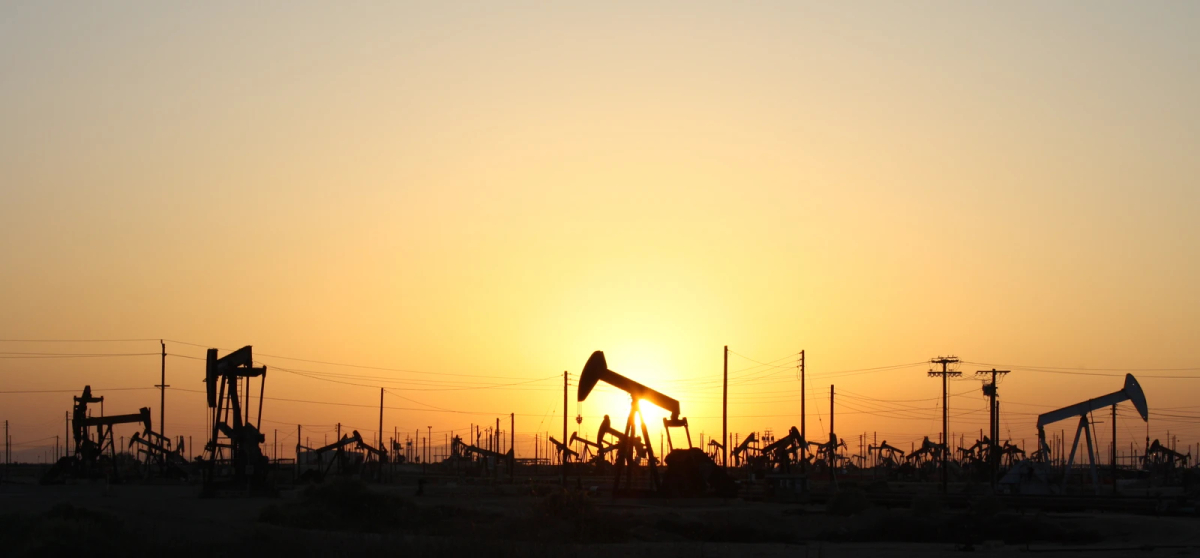
On the demand side, global consumption has cooled significantly. Rystad estimates that petrochemical and transportation fuel demand lost to the energy transition and other factors totaled approximately 3.5 million barrels per day in the third quarter, with China accounting for over half of that reduction. Chinese seaborne crude imports dropped to 7 million barrels per day in July and August, down from more than 11 million barrels per day in February, while domestic inventories remain robust at roughly 1.17 billion barrels.
Financial institutions are recalibrating their outlooks as physical markets tighten. Oman crude futures traded at $104.54 per barrel, and Dubai spot crude fetched $105.10, with November-loading cargoes commanding steep premiums of $19 to $20 over benchmark prices. A growing number of major banks, including Goldman Sachs, Bank of America, and HSBC, have raised their price targets.
Broader Economic Fallout and Inflationary Pressures
The sustained escalation in energy markets has immediately translated into broader inflationary pressures. Natural gas prices in the United Kingdom reached their highest level in three and a half years this month, driven by the regional conflict. Economists in the United States are adjusting their macroeconomic models, now anticipating at least one interest rate increase from the Federal Reserve before the end of the year to combat renewed inflationary momentum.

Related reading

Thailand to Halve Visa-Free Tourist Stays to 30 Days From September 2026
Thailand will halve tourist visa-free stays from over 60 countries to 30 days starting September 15, 2026.

Call for Proposals for Small-Scale Development Projects 2027
Global funding initiatives and massive national research investments are reshaping technological and community development targets for the coming...

Michelle O’Neill Declares Garvaghy Road Orange March Issue Closed
Northern Ireland First Minister Michelle O'Neill has declared the issue of Orange Order marches on Portadown's Garvaghy Road...

Ipswich Offers Environmental Grants Up to $3,000 for Local Projects
Communities across Ipswich, Queensland, can now access environmental grants of up to $3,000 through the Enviroplan Levy Community...