The delay comes as oil prices fluctuate, U.S. economic sanctions expand, and military tensions in the region escalate following months of conflict.
Omani Foreign Minister Announces Postponement for Regional Consensus
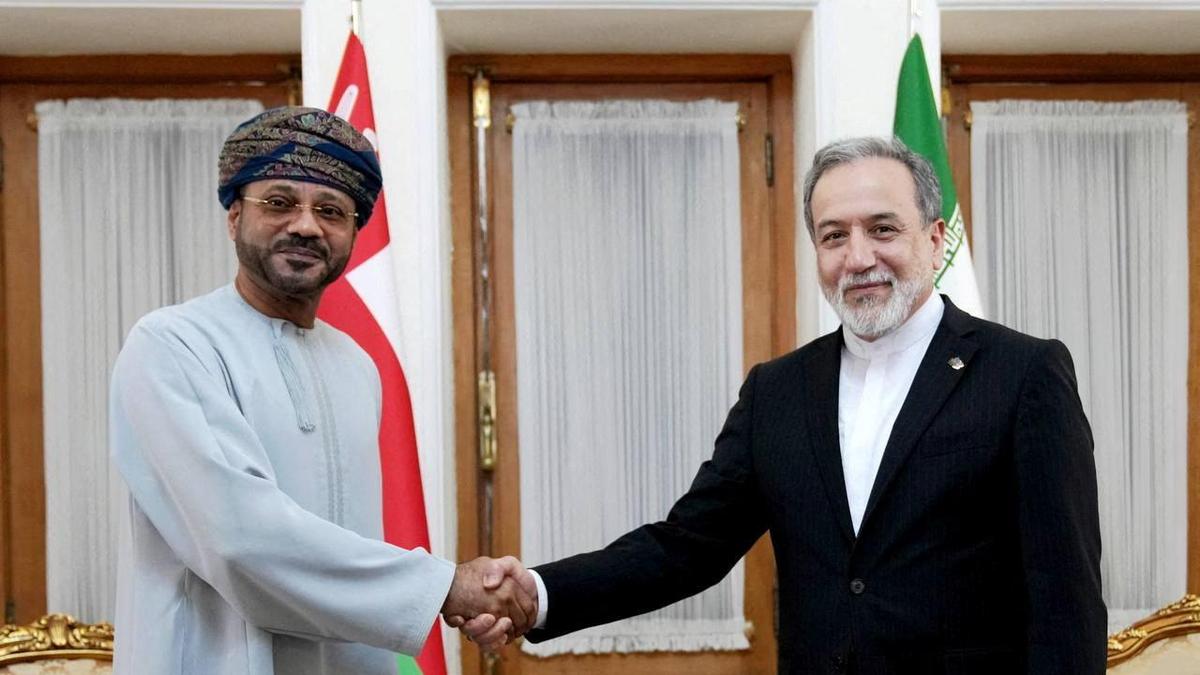
Omani Foreign Minister Badr Albusaidi announced the postponement late Sunday in a post on X, stating that the meeting in Salalah had been delayed in the interests of consensus.
We remain committed to fostering dialogue that supports stability and lasting cooperation in our region, Albusaidi added. Fars news agency reported that the decision was made jointly by Tehran and Muscat at the request of several regional countries.
Before the cancellation, regional participation had already faced diplomatic hurdles. Only Iraq had publicly confirmed plans to attend, while Bahrain declined due to its lack of diplomatic relations with Tehran. Commercial ship traffic through the vital waterway remains severely depressed as attacks persist on what was once an international trade route before the U.S. and Israel launched the war on February 28, 2026.
Washington Pivots Toward Sustained Economic Pressure as Diplomacy Fails
While regional talks stalled, President Donald Trump shifted toward a strategy of intensified economic pressure against Tehran. The administration is betting that sustained economic pressure and strict trade restrictions will force Iranian leaders to accept U.S. demands without deploying ground troops.
The broader confrontation has entered its sixth month, driving up global energy prices and pushing U.S. borrowing costs to their highest levels in nearly two decades. Treasury Secretary Scott Bessent prepared additional financial measures targeting oil smuggling, exchange houses, ship registries, and front companies. Washington is also considering secondary sanctions and potential measures against Chinese banks involved in Iranian oil transactions.
Despite annual inflation reaching roughly 88% and fuel shortages inside Iran, analysts suggest economic pain may not break the regime. Ambassador James Jeffrey noted regarding Iran’s long experience in circumventing sanctions. International Crisis Group Iran project director Ali Vaez observed that Iran’s leadership has historically been willing to transfer economic hardship directly to its population to ensure regime survival.
Tehran Shifts to a Fully Offensive Posture and Warns of Escalation
In response to the diplomatic deadlock, a senior Iranian official told Reuters that Tehran has decided to shift its policy from defensive to fully offensive. Officials warned that Iranian entities must prepare to escalate tensions in the Strait of Hormuz and the wider region.
Photo: union-bulletin.com
“Iranian entities must be prepared to escalate tensions in the Strait of Hormuz and wider region, as Iran will be ready to make decisions and take action on difficult decisions.”
Photo: marinelink.com
Anonymous Iranian official, via Reuters
The collapse of a previous memorandum of understanding signed on June 17, 2026—which had aimed to establish an immediate and permanent termination of military operations—paved the way for renewed hostilities. Disputes over Point 5 of the memorandum, which Tehran interpreted as granting it the right to manage the Strait of Hormuz alongside Oman, proved insurmountable. President Trump declared that pact over on July 7, 2026.
Tensions further intensified after an Iranian cargo vessel was struck early Sunday off Qeshm Island in the Strait of Hormuz. Iranian state media reported that the attack killed one person and wounded four, with the Qeshm governor blaming a terrorist enemyfor the strike. The United Kingdom Maritime Trade Operations monitor confirmed a vessel was hit by a projectile, triggering a severe fire and evacuation.
Broader Regional Conflict and Houthi Attacks Compound Energy Fears
The maritime conflict extends far beyond the Persian Gulf. Iran-backed Houthi rebels in Yemen have escalated operations in the southern Red Sea, capturing the remaining coastline and strategic islands around the Bab el-Mandeb Strait. Houthi military spokesperson Yahya Saree announced that the group used drones and missiles to attack the Sharurah military base in southern Saudi Arabia.
Gulf states pushed intensive diplomacy to avert conflict between Iran and U.S., Gulf official says
Saudi Arabia and the United Arab Emirates have increasingly relied on overland pipelines to bypass blocked maritime chokepoints.
Global energy markets continue to feel the strain. Benchmark Brent crude oil futures previously surged to a peak of $126 a barrel—roughly 75% above pre-war levels—before trading around $89 a barrel.
“after we finish defeating Iran … pretty soon I’ll be declaring the Hormuz Strait a territory of the United States.”
President Donald Trump, via Fox News and MaritimeLink
Diplomatic Breakthroughs and Market Expectations Ahead
Amid the broader confrontation, Iranian President Masoud Pezeshkian highlighted a potential opening in regional diplomacy, reporting a good discussion with Abu Dhabi’s Crown Prince, Sheikh Khaled bin Mohamed bin Zayed, on the sidelines of the BRICS Summit in New Delhi.
Photo: yahoo.com
We talked about the issues of concern so that it’s possible to put the past behind us, to look toward the future and how we can build the future together, Pezeshkian said in broadcast remarks.
Financial observers are now closely watching whether any new diplomatic engagements or mediation efforts will emerge from Omani channels. With prediction-market indicators reflecting extremely low probability for a formal U.S.-Iran normalization agreement, markets remain reactive to military developments in the Strait of Hormuz and potential U.S.
Modi–Iran President Meeting: Why India’s Diplomacy Matters in the US-Iran War | R Stream