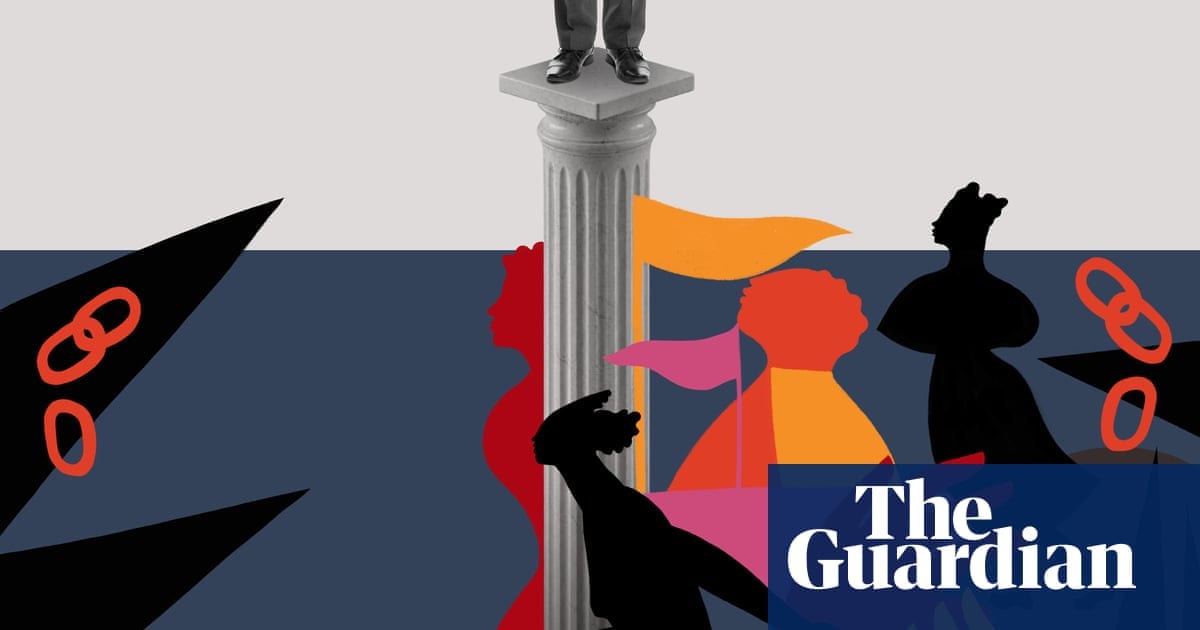
New research from a three-year specialist project has published the Register of British Slave Traders, documenting biographical details for roughly 10,500 investors in Britain’s transatlantic slave trade from the 1560s to abolition in 1807. The findings reveal extensive participation across the monarchy, parliament, church, and financial elites.
Unprecedented Scale and Elite Complicity in Britain’s Transatlantic Trade
A three-year investigation led by Prof William Pettigrew of King’s College London has laid bare the enormous scale of Britain’s nearly 250-year trafficking of enslaved African people. The resulting database, known as the Register of British Slave Traders, chronicles roughly 10,500 historical investors from the inception of the trade under early traffickers in the 1560s through its formal abolition in 1807.
According to researchers documenting the transatlantic operations, British trafficking networks violently transported more than 3 million enslaved African men, women, and children to colonial plantations across the Americas and the Caribbean. The project establishes that this human cargo was systematically sustained by the British monarchy, parliament, and major business institutions, integrating slave-trading wealth directly into the nation’s financial fabric to fund hospitals, schools, welfare organizations, science, and the arts.
Royalty, Members of Parliament, and Financial Institutions Exposed
The register documents widespread institutional involvement across British society. A series of British kings and queens served as leaders and direct investors in slave-trafficking enterprises. Early royal voyages in the 1560s were supported by Queen Elizabeth I and her inner circle, who supplied Royal Navy ships to the privateer John Hawkins in exchange for a direct share of the profits.
Political and financial elites held deep stakes in the trade. More than 100 members of parliament invested in slave-trading corporations, including numerous figures belonging to the Tory and Whig parties—the historical forerunners of modern Conservative and Liberal Democrats political organizations. Furthermore, dozens of directors and original financiers of the Bank of England held shares in slave-trading ventures, alongside more than 1,000 women investors and 45 Church of England clergymen who backed the Royal African Company.
Household Names and Hidden Historical Legacies
The database identifies several historical figures whose prominent cultural and political legacies have long overshadowed their financial ties to human trafficking. Among them is King James II, the final Catholic monarch to rule England, Scotland, and Ireland, whose public monument in London depicts him as a defender of the faith
(as detailed in the historical register). Other notable shareholders in the Royal African Company include composer George Frideric Handel and philosopher John Locke.

Broader archival work by the project team also uncovered that Sir Christopher Wren, celebrated architect of St Paul’s Cathedral, chaired a 1682 meeting of the Royal Society when the scientific institution voted to invest funds into the Royal African Company.
Researchers emphasize a stark asymmetry in the historical record: while copious official documentation exists for traffickers who sat in parliament, managed companies, and left behind wills, enslaved people were treated strictly as property under British law. Millions were left without lasting personal identification records, though ongoing projects strive to recover whatever fragments remain of their individual lives.
Global Reparations Movements and Legal Petitions to the Crown
Publication of the new register arrives amid a growing international movement demanding that European governments formally acknowledge historical enslavement, issue official apologies, and engage constructively with discussions concerning reparatory justice. Successive British administrations have continually resisted such demands, maintaining that no legal obligation for reparations exists because the slave trade was legal under British law at the time.
That government position faces an explicit legal challenge. An official delegation representing Jamaica delivered a petition to King Charles seeking a binding legal ruling from the privy council—the final appellate court for British overseas territories and certain Commonwealth nations—to determine whether the official government stance remains lawful.
Worth a look

Trump Says US Should Have World’s Lowest Interest Rate Ahead of Fed Meeting
President Donald Trump declared on September 13, 2026, at the Irish Open in Doonbeg, Ireland, that the United...
Central Banks Face Rate Decisions Amid Surging Inflation and Oil Pressures
Central banks across the US, UK, and Japan face pivotal interest rate decisions this week amid turbulent global...

German Firms View China Expansion as Opportunity Amid Narrowing Window
German companies in China increasingly view the international expansion of local businesses as a major business opportunity, though...

UK Government to Update Student Loan Guidance Following Mis-Selling Findings
University applicants in England are set to receive clearer information regarding student loans before committing to borrowing, following...