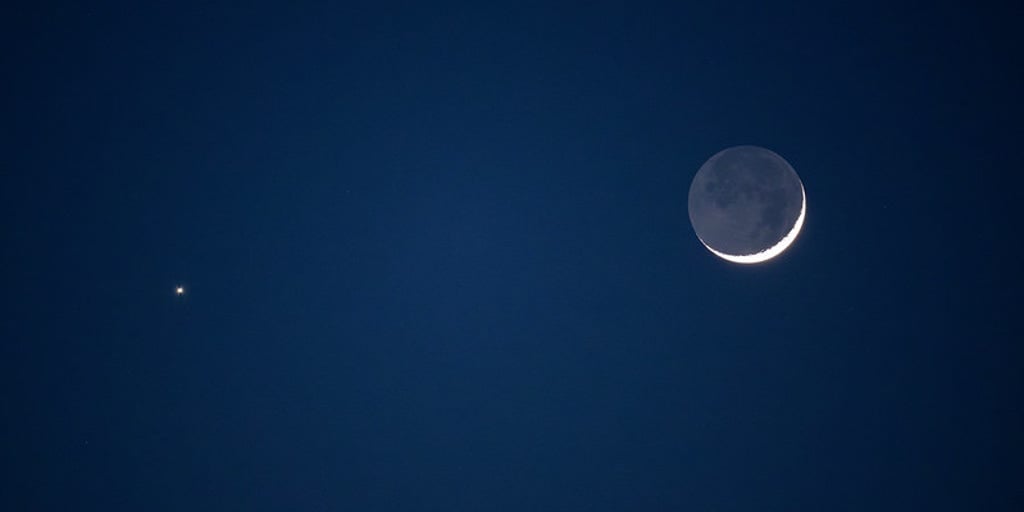
Stargazers caught a striking view on the evening of September 13, 2026, when Venus shone brightly beside a waxing crescent moon low above the western horizon shortly after sunset. According to Space.com reporting highlighted by UA.News, the distance between the planet and the moon measured slightly more than 5 degrees, which corresponds roughly to the width of three middle fingers held at arm’s length.
Tracking the September 13 Celestial Alignment
The illuminated portion of the waxing moon hovered at approximately 9%, allowing Venus to stand out as a brilliant point in the evening twilight. Because the moon and Venus sat at an altitude of less than 10 degrees above the horizon, they remained visible for less than an hour after sunset before dipping below the horizon. Observers had to seek locations with an unobstructed view of the western sky and begin searching immediately after sunset.
The Lunar Occultation of Venus on September 14
The celestial dance continues on September 14, 2026, when the moon passes directly in front of Venus in an astronomical event known as an occultation. UA.News noted via Space.com that the occultation begins at 09:26 GMT, making it visible in the daytime sky for observers situated across parts of Europe, North Africa, the Middle East, and southern India.
Near the new moon phase, observers can also spot earthshine, which is the faint illumination of the unlit portion of the lunar disk created by sunlight reflecting off Earth. However, astronomers and safety guides issue a strict warning: during daytime observations, binoculars or telescopes must never be pointed toward the sun, as doing so causes irreversible damage to eyesight.
Viewing Conditions Across North America
For skywatchers in the United States, viewing conditions depend heavily on geography. According to Fox Weather, observers in the eastern U.S. enjoy nearly nonexistent cloud cover, creating ideal nights for skywatching. Conversely, those in the western half of the country face heavier cloud cover that threatens to obscure the conjunction.
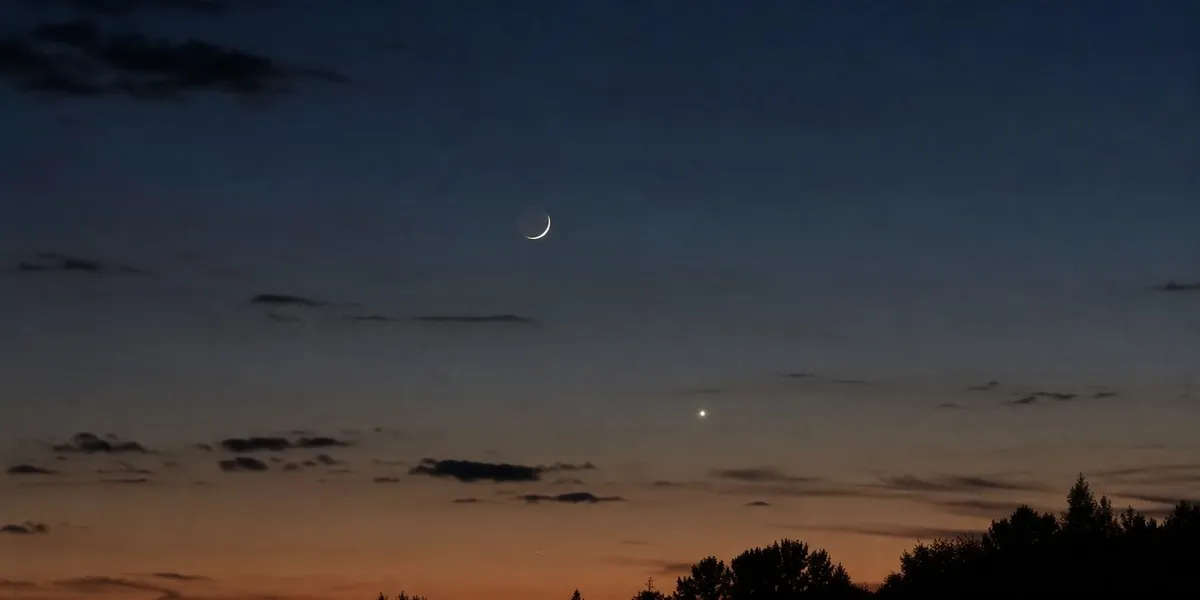
While a moon and Venus conjunction is a relatively common occurrence, catching the alignment while Venus reaches peak brightness makes the spectacle particularly exciting for photographers and casual observers alike. A planetary conjunction occurs when two or more planets appear close together from a perspective on Earth, even though they remain millions of miles apart, The Planetary Society explained.
Why Venus Commands the Evening Sky
Venus shines brighter than usual this week, leading some observers to mistake the planet for a passing aircraft in the night sky. With the moon appearing as a thin waxing crescent, Venus firmly takes center stage as the brightest object in the evening lineup.
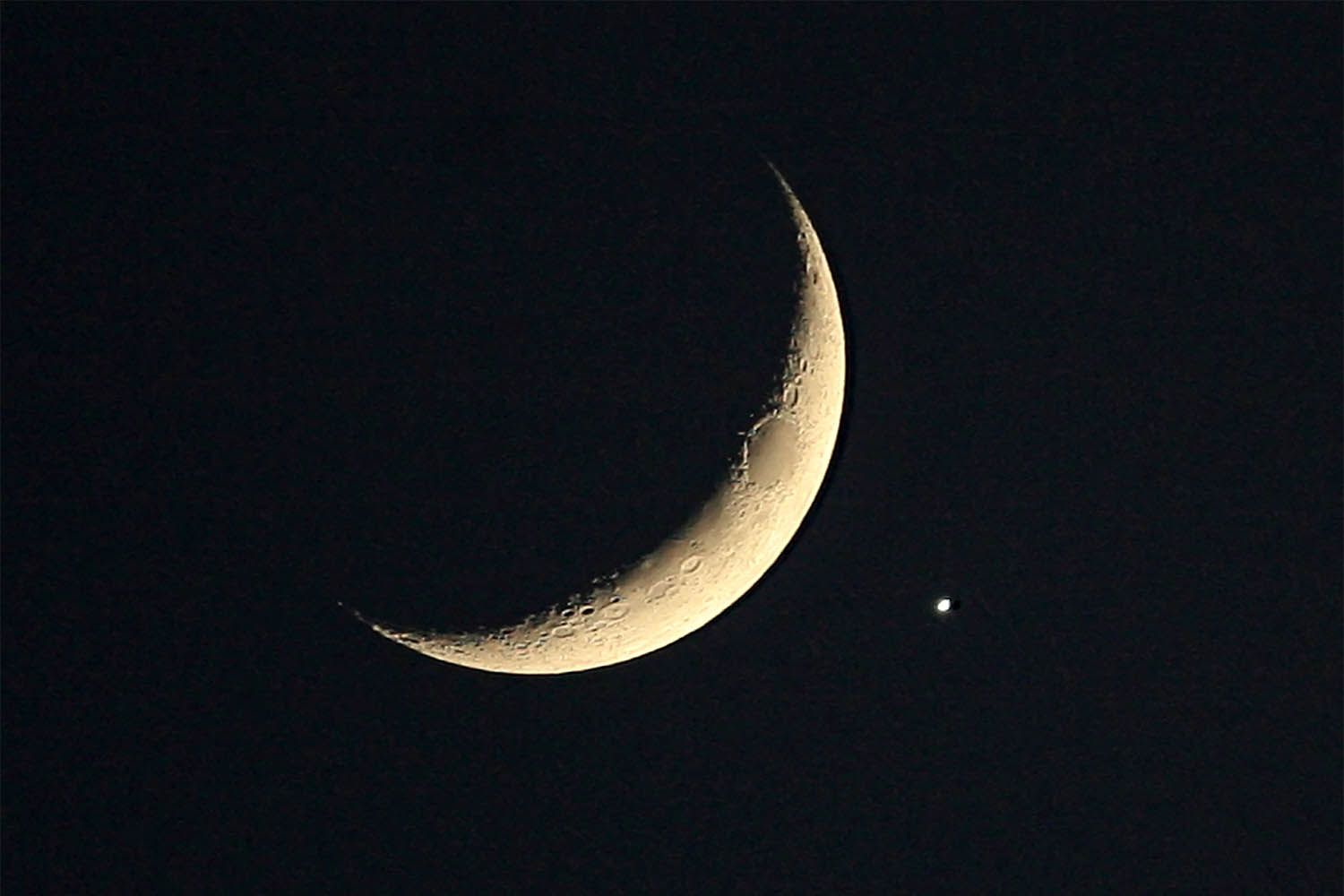
For those who miss the peak conjunction on Monday night, EarthSky.org reports that Venus will continue shining as the brightest planet of the entire year throughout the week. Stargazers do not require any specialized equipment to spot the planet, though finding an open horizon away from urban light pollution remains the best strategy for taking in the full celestial display.

Worker Dies After Being Struck by Compressed Air Hose at Jurong Port Road
A 35-year-old worker died at a Jurong Port Road construction site on September 11, 2026, after being struck...

Singapore Police Investigate Three Traffic Officers Over Unsafe Riding Footage
The clip, which surfaced online, shows the outriders cutting across lanes and forcing sudden braking near the Traffic...

Justice Department Deports Legal Resident to Afghanistan in First ATRC Case
The Justice Department deported a 47-year-old legal U.S.

Mahnoor Safdar Marries Azan Jabbar Today at Jati Umra Estate
The private family gathering brings together close family and invited guests for the celebration.