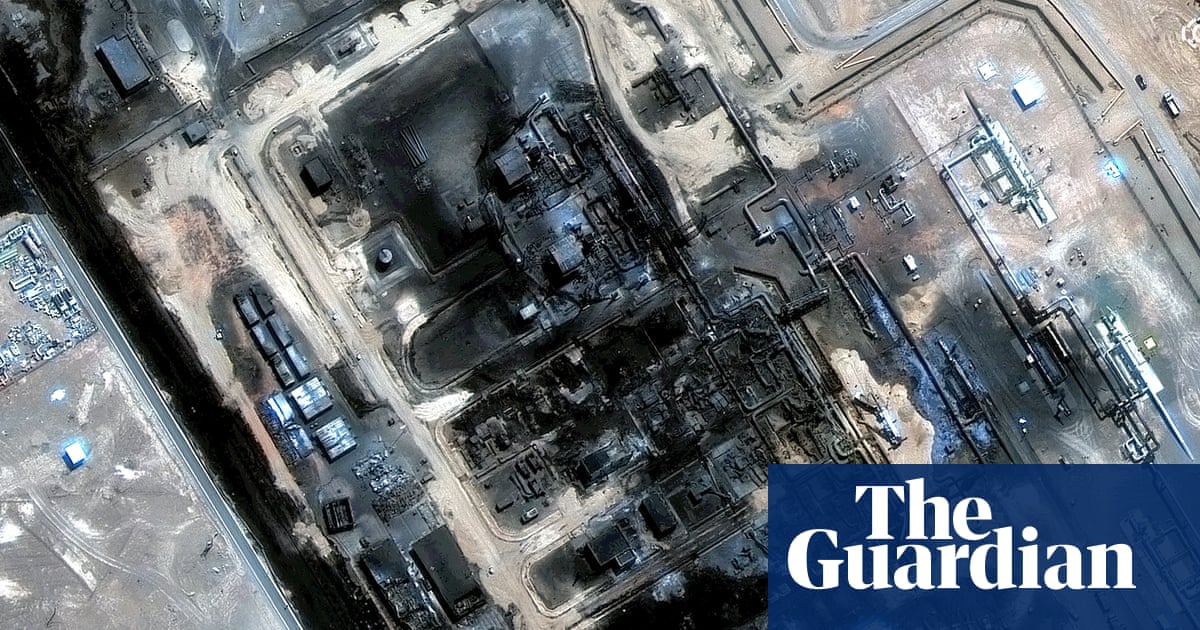
Saudi Arabia faces a severe export stockpile depletion within days after drone strikes severely damaged a critical East-West pipeline pumping station on September 11, 2026. The disruption constricts global energy supplies as fighting continues, pushing international benchmark Brent crude past $108 per barrel amid widening Middle East conflict.
Satellite Imagery Reveals Major Damage to East-West Pipeline Pumping Station
Satellite imagery released by Vantor shows the extent of the damage caused by a drone attack on Saudi Arabia’s East-West pipeline. The strategic network transports crude oil from Abqaiq on the kingdom’s eastern Gulf coast to the port of Yanbu on the Red Sea.
The images display a bird’s-eye view of fire damage and extensive blackened areas in and around a pumping station along the pipeline. Saudi Arabia temporarily closed the roughly 750-mile system, also known as Petroline, as a precautionary measure following multiple attacks by drones launched from Iraq according to the Saudi government, which reported that several people were injured in strikes targeting the Riyadh and Medina regions.
Riyadh has yet to provide full details regarding the exact extent of the damage or how long the transit route will remain offline. Sources speaking to Reuters offered varying repair timelines, with one source estimating six weeks and another suggesting repairs could conclude sooner with partial pumping resuming during ongoing work.
Export Stockpiles Dwindle as Houthi Forces Advance on the Bab el-Mandeb Strait
For the past six months, the desert pipeline has protected Saudi Arabia from wartime closures in the Strait of Hormuz, allowing the kingdom to reroute roughly 4m barrels per day around the chokepoint to the port of Yanbu. With the pipeline out of service, industry sources familiar with Saudi exports report that Yanbu now holds enough stock to maintain exports for just five to seven days.
Additional reserves remain available to supply customers for several days through Egypt’s ports at Ain Sukhna on the Red Sea and Sidi Kerir on the Mediterranean. However, industry sources confirm these stocks are not full and will eventually run out if the East-West pipeline fails to resume operations.

The pipeline disruption coincides with an offensive by Yemen’s Iran-backed Houthi forces, who have captured the strategic island of Perim in the Bab al-Mandab strait and launched a lightning ground offensive to exercise control over the vital oil chokepoint on the opposite side of the Arabian Peninsula. The Houthis are targeting Saudi oil infrastructure and shipping as part of a recently declared blockade, bringing their forces closer to a major United States base in Djibouti.
Crude Benchmarks Climb as Diplomatic Talks Stumble
Energy markets reacted sharply to the cascading supply risks across the region. International benchmark Brent crude futures for November expiry rose 3.3% to $108.02 per barrel on Monday morning, extending a rally that pushed prices up more than 20% over the past month. Meanwhile, U.S. West Texas Intermediate futures for October expiry traded nearly 3% higher at $102.98, marking the first time the contract surpassed $100 since May.
Refined product markets are feeling the strain as well. In the United States, average diesel prices soared past $6 a gallon to hit a record on Friday.
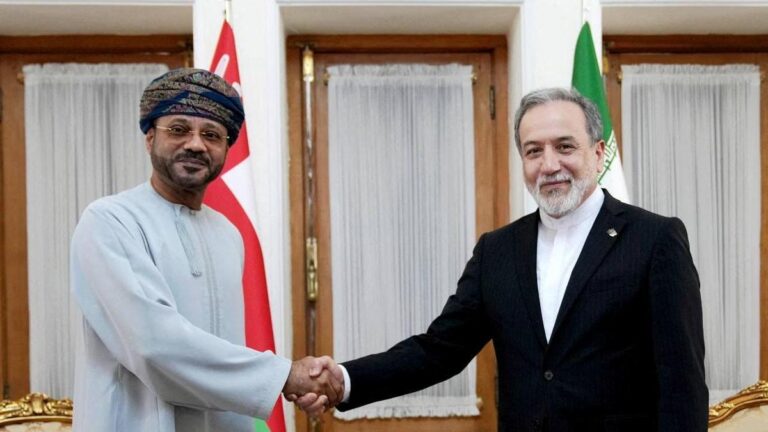
Diplomatic efforts to stabilize maritime transit faced a setback when Oman’s foreign minister, Sayyid Badr Albusaidi, announced that a regional meeting scheduled for Monday had been postponed in the interests of consensus
according to an online statement posted by the Omani official. Iranian officials had planned to attend the gathering to present an agreement with Oman regarding shipping rules through the Strait of Hormuz, where Tehran now requires vessels to obtain permission and weighs imposing service fees.
Related reading

President William Ruto Orders Crackdown on Foreign Small Businesses
President William Ruto ordered authorities to shut down small-scale businesses operated by foreign traders in Kenya, stating that...
Canada Seeks Unique EU Alliance Amid US Trade War
Canadian Prime Minister Mark Carney addressed reporters in Toronto on Sunday, outlining a new diplomatic and economic direction...

Israeli Attacks in Gaza Kill Pregnant Woman and 10 Others
A pregnant Palestinian woman was shot and killed by Israeli forces in southern Gaza as artillery shelling and...
Iran and Gulf Nations Postpone Oman Talks Over Regional Consensus
The delay comes as oil prices fluctuate, U.S. economic sanctions expand, and military tensions in the region escalate...