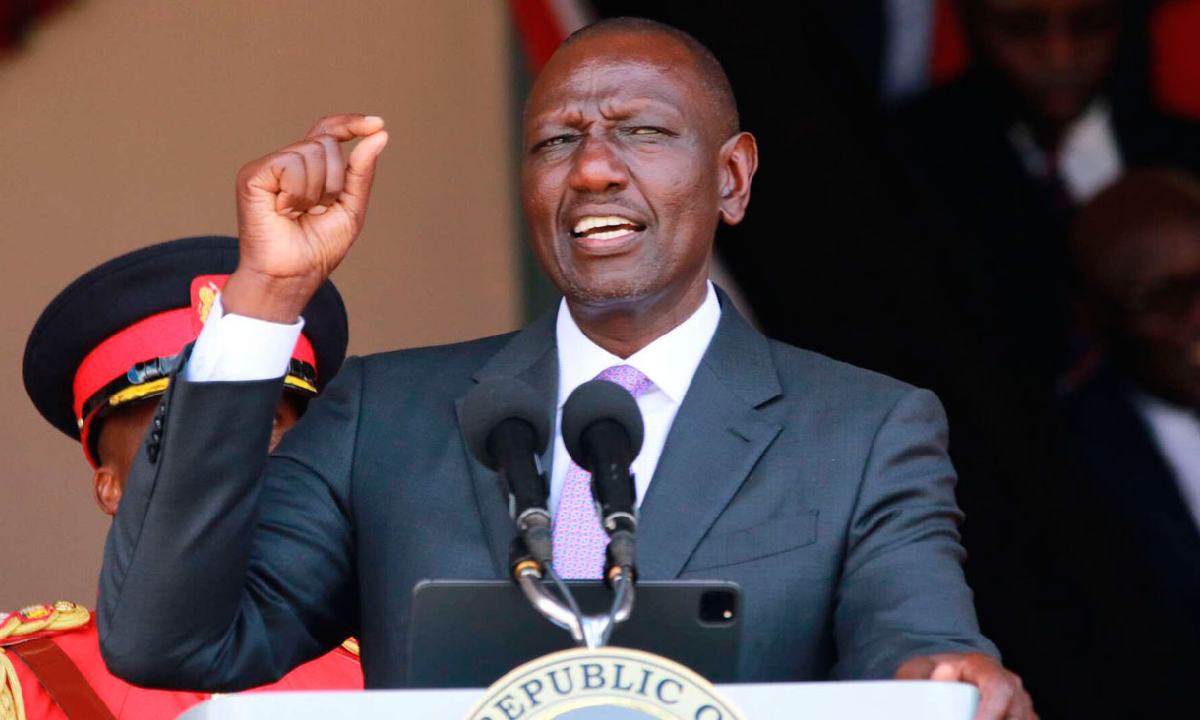
President William Ruto ordered authorities to shut down small-scale businesses operated by foreign traders in Kenya, stating that such work should be left to Kenyans, according to National Public Radio. The directive initially prompted fear among migrant communities as compliance deadlines approached. To ease concerns, the government subsequently granted undocumented East African nationals a 90-day ultimatum to obtain or update the required work and business permits or leave the country, as reported by The Africa Report.
President William Ruto Orders Crackdown on Foreign Small Businesses
The policy has affected migrant communities from neighboring countries, including Burundi and the Democratic Republic of Congo. Many foreign nationals have turned to their embassies to secure travel documents and prepare to return home. At a matatu terminal in Nairobi, terminal manager James Mogaka noted that foreign transport operators stayed away following the announcement. Today they have not come. Their vehicles are not here,
Mogaka said, adding that one of his drivers was afraid to report to work because his wife runs a fruit business.
Mixed Reactions from Local Traders and Citizens
In Nairobi’s central business district, the directive has drawn a mixed response from the local population. Robert Kiberenge, a local trader, opposed the measure, stating, The president is just trying to divert our attention from more pressing issues. We have no problem with foreigners doing small businesses in Kenya.
Conversely, graduate Kiprono Kutuny supported the government’s approach. I concur with him,
Kutuny said. The government needs to protect the traders and small business people, but you find that these people who come from different foreign countries have taken these businesses and they are doing it in a cheap labor.
Government officials stated that the policy is designed to protect Kenyan traders operating in a crowded small-business sector where competition from foreign nationals has become increasingly contentious.
Wider Economic Context and Expert Concerns
Kenya serves as East Africa’s economic hub and is recognized for its relative political stability. United Nations estimates placed the number of international migrants living in the country at approximately 993,000 in 2024. Historically, Kenya has operated as a refuge for people fleeing conflicts in neighboring regions, with refugees from Somalia, Sudan, South Sudan, Burundi, and the DR Congo integrating into Nairobi’s informal economy and commercial networks over the decades, according to Semafor.
Economists have raised concerns regarding the potential fallout of the directive. Economist Edward Kusewa criticized the policy as uncalled for, warning that it could undermine the principles of the African Continental Free Trade Area, which facilitates the movement of goods and people across borders. These people contribute a lot to the economy,
Kusewa said. They pay taxes directly and I think this is going to have an impact on the Kenyan economy.
The debate unfolds as President Ruto prepares to face voters next year amid ongoing economic pressures and public concerns over jobs and livelihoods.
Worth a look
Canada Seeks Unique EU Alliance Amid US Trade War
Canadian Prime Minister Mark Carney addressed reporters in Toronto on Sunday, outlining a new diplomatic and economic direction...

Israeli Attacks in Gaza Kill Pregnant Woman and 10 Others
A pregnant Palestinian woman was shot and killed by Israeli forces in southern Gaza as artillery shelling and...
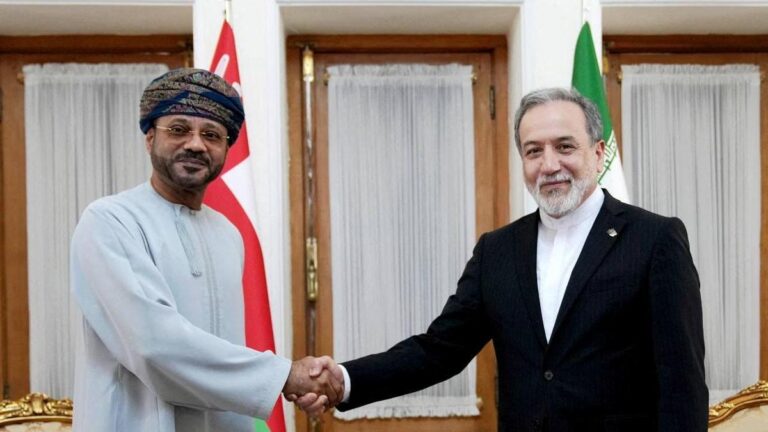
Iran and Gulf Nations Postpone Oman Talks Over Regional Consensus
The delay comes as oil prices fluctuate, U.S. economic sanctions expand, and military tensions in the region escalate...

After Louvre Heist, Robberies Continue at French Museums
Following a dramatic daytime heist at the Louvre, a string of break-ins has struck museums and churches across...