
Former French culture minister Rachida Dati went on trial in Paris alongside fugitive former executive Carlos Ghosn, facing corruption and influence-peddling charges over a rough $1 million consulting contract signed with a Renault-Nissan subsidiary while Dati served as a European Parliament member.
The courtroom proceedings immediately stalled over procedural challenges regarding the absent co-defendant, who remains a fugitive in Lebanon following a dramatic escape from Japan hidden inside audio equipment.
Procedural Battles and the Absent Co-Defendant
With Ghosn absent from the courtroom, debate centered on whether the trial could proceed at all. Ghosn maintained he had not received court summonses sent to Lebanon since July 2025, prompting defense counsel to request a postponement. The presiding judge weighed three choices: continuing with the case file as presented, delaying the proceedings, or invalidating the summons to separate Dati from Ghosn.
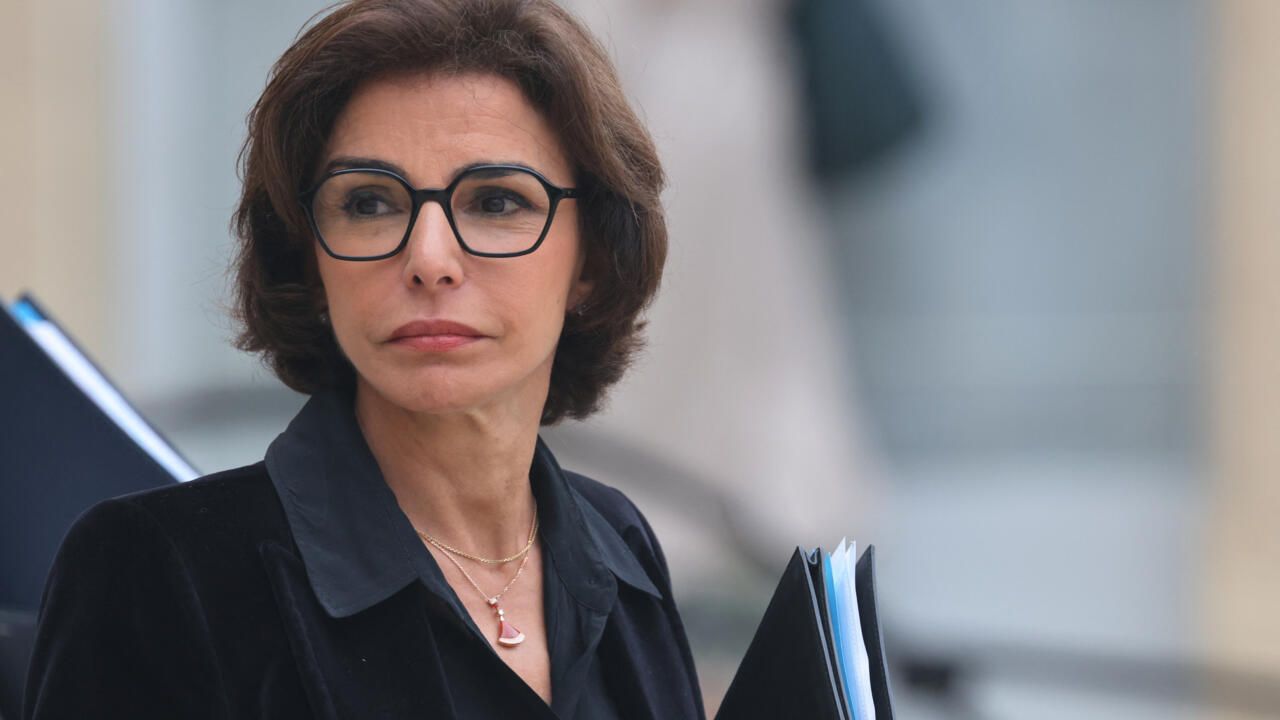
An hours-long debate preceded the ruling. Jérome Karsenti, an attorney representing plaintiff Anticor alongside the Renault Group and Transparency International, criticized potential delays, arguing that time is always the friend of the corrupt; the more time passes, the more the justice system is removed from the facts and tends to be lenient
.
Dati maintained a silent stance at the front of the courtroom, declining to watch the legal arguments unfold. Her lawyer, Olivier Baratelli, voiced defiance regarding the proceedings.
Ms. Dati wants to be judged, and she wants to be judged because she wants to be acquitted … we’ll leave the big door of this courtroom with an acquittal!
Olivier Baratelli, Defense Lawyer
Following an hour-long suspension for deliberations, the presiding judge decided to move forward with the case file as structured, rejecting the delay request.
The Contracts, the Allegations, and the Paper Trail
The core of the prosecution’s case rests on payments executed between 2010 and 2012. Investigators allege that a legal services contract signed in October 2009 by Dati and Ghosn—providing an annual fee of €300,000 before tax—served to disguise illegal lobbying work for Renault within the European Parliament, an activity prohibited under her mandate.
French investigators acquired the contract during a 2019 search of Renault headquarters following Ghosn’s arrest in Japan over separate financial misconduct allegations. Prosecutors contend that Dati received roughly $1 million from a Netherlands-based subsidiary of Renault-Nissan, yet investigators found a singularly limited amount of evidence detailing actual legal work performed during her tenure as a member of the European Parliament.

The conviction could potentially come from the fact that Ms. Dati was paid and no specific work resulted from it, despite the alleged production of reports, studies or other materials that were supposed to be done, and she defends herself by claiming there is a professional secrecy.
Jean-François Kerléo, Professor of Public Law at Aix-Marseille University
Dati’s legal representatives dismissed the charges, asserting that she worked exclusively as a lawyer for the Dutch subsidiary and characterizing the influence-peddling allegations as an artificial intellectual construct devised by the prosecution. Dati explained that her international legal assignments encompassed matters involving Morocco, Algeria, Turkey, and Iran, noting that Ghosn declined to keep written notes, which explains the lack of preserved documentation.
Broader Legal Exposure and Judicial Independence Concerns
The trial unfolds as Dati simultaneously navigates other legal scrutiny and political obligations. Prosecutors previously examined reports that she failed to declare jewellery and watches worth €420,000 upon entering ministerial office, alongside a separate investigation into nearly €300,000 in undeclared payments from the energy group GDF Suez during her MEP mandate.
If convicted on the current charges, Dati faces up to 10 years in prison, a fine of up to €450,000, and a five-year ban on holding public office—a penalty that would strip her of her post as mayor of Paris’s seventh arrondissement.

Complicating her standing further, Dati applied to return to the French magistracy after resigning as culture minister in February to campaign for the Paris mayoral race, which she lost to Socialist rival Emmanuel Grégoire in March. The High Council for the Judiciary is scheduled to review her reinstatement request in late September or early October.
The timing prompted an open letter from a collective of lawyers and magistrates to the High Council’s chairman, raising alarms that the prospect of Rachida Dati’s reinstatement during active corruption trials could erode public trust in judicial impartiality.
In our view, this is extremely worrying in terms of the relationship between politicians and judges, and more broadly, with the rule of law.
Jérôme Karsenti, Criminal Lawyer
With the current proceedings scheduled to run through September 28, the court must determine whether the financial transfers tied to Ghosn represent legitimate legal retainers or disguised political influence.
Related reading
- NBC4 News Helicopter Crashes in Chatsworth Killing Three
- China’s Defence Minister Dong Jun Urges Cooperation in AI and Outer Space
- In Vivo CAR T Therapy Shows Promise for Multiple Sclerosis in New Trial (world-today-news.com)
- Former French Minister Rachida Dati on Trial for Corruption and Lobbying (archyde.com)

NBC4 News Helicopter Crashes in Chatsworth Killing Three
Three people were killed when a news helicopter used by NBC4 and Telemundo affiliates crashed and burst into...
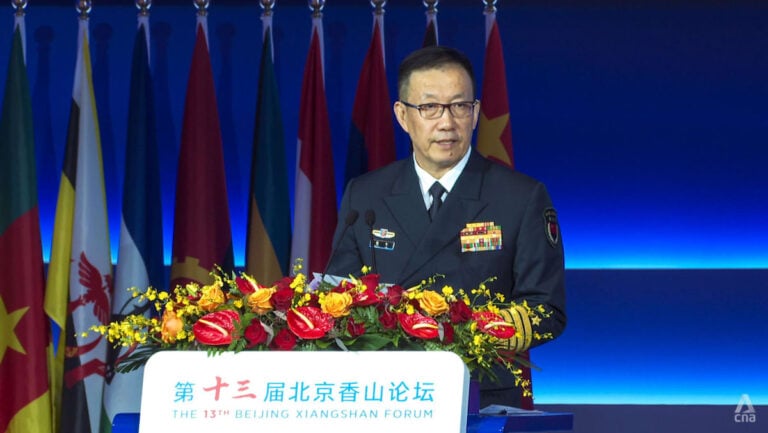
China’s Defence Minister Dong Jun Urges Cooperation in AI and Outer Space
Chinese Defence Minister Dong Jun used the opening of the 13th Beijing Xiangshan Forum on September 16, 2026,...
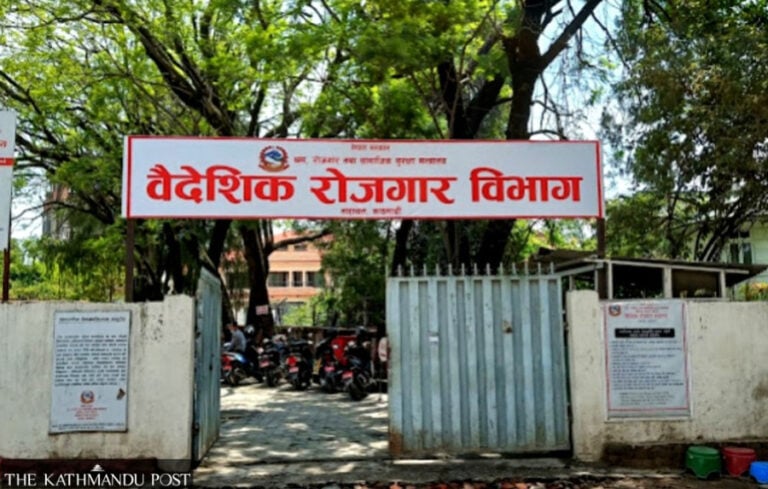
Nepal Targets 275 Recruitment Agencies Over Malaysia Labor System
Nepal's Department of Foreign Employment is investigating 275 recruitment agencies after Malaysia authorized a restricted framework for hiring...
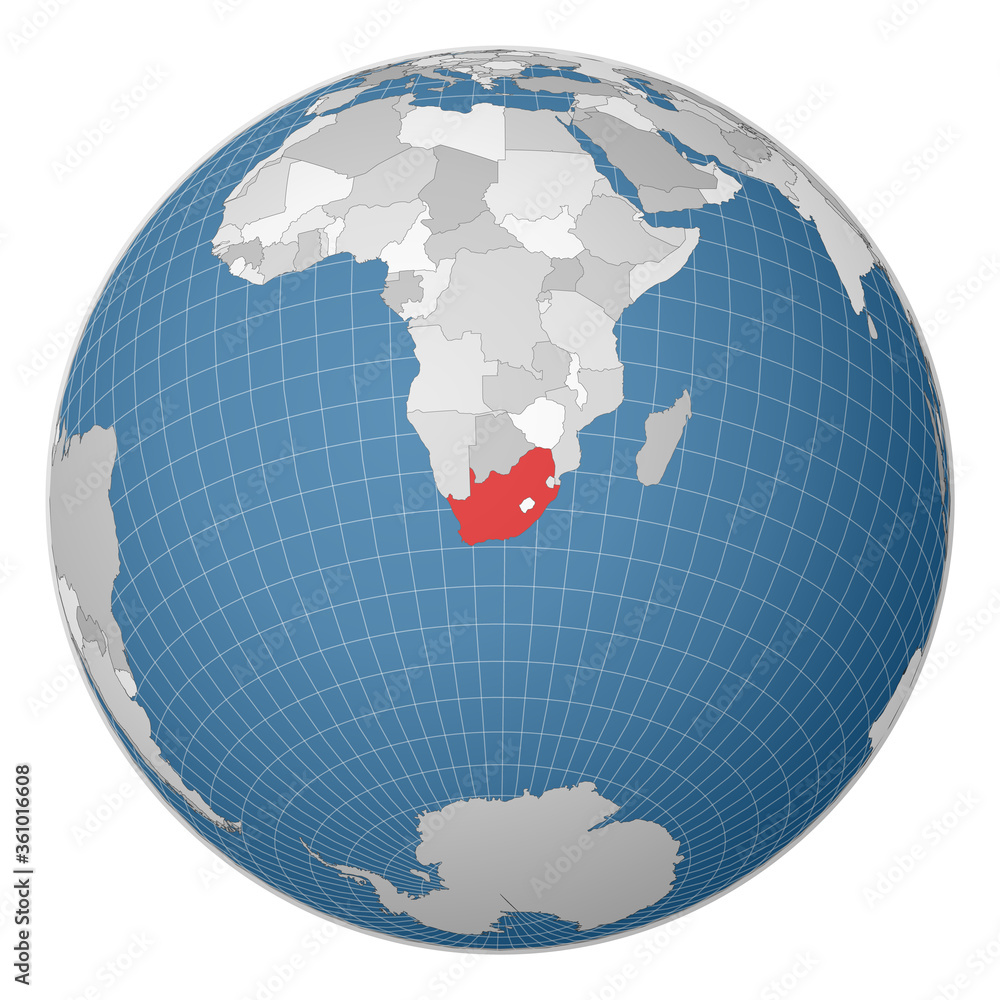
South Africa Investigates Deaths of Seven Women Amid Serial Killer Fears
South African law enforcement agencies are investigating the deaths of seven women whose bodies were discovered in and...