
Following the August 2022 stabbing that left Sir Salman Rushdie fighting for his life in upstate New York, author Salman Rushdie and poet and photographer Rachel Eliza Griffiths collaborated on a video diary and a newly released film, Knife: The Attempted Murder of Salman Rushdie, documenting his medical treatment and recovery.
Documenting Survival After the 2022 Attack in New York
Eliza Griffiths was at home in New York drinking coffee one August morning in 2022 when a frantic friend called to say her husband, whom she had married a year earlier, had been attacked during a speaking engagement nearly 400 miles away. Turning on the television, she saw blurry images of chaos on stage as audience members surged to the rescue. Her husband, Sir Salman Rushdie, had been stabbed multiple times and was fighting for his life.
Within days, Griffiths chartered a plane to reach his hospital bedside without knowing if he was alive or dead. Once there, she began making a video diary recording his treatment and recovery. Rushdie noted that when survival became likely, he suggested making a modest record, such as a photograph every couple of days on an iPhone. Griffiths, however, had bigger ideas, asking for a proper camera to be delivered.
“I explicitly remember when the box arrived with my camera, I cried because it was reconnecting me to my identity as an artist. The person I used to be, even just 24 hours ago, was being returned to me. It was giving both of us this permission to continue to be artists and tell our stories together.”
Rachel Eliza Griffiths, via The Guardian
From Independent Memoirs to a Collaborative Documentary Film
Both partners have already published separate memoirs regarding the ordeal. Now, the pair are the subjects of an unflinching documentary film titled Knife: The Attempted Murder of Salman Rushdie.
The film combines Griffiths’ video diary footage with historical archive material dating back to the fateful day in 1989 when a fatwa was issued against Rushdie. At that time, Iran’s then supreme leader, Ayatollah Ruhollah Khomeini, called for the execution of the 41-year-old author and his publishers over alleged blasphemy in his fourth novel, The Satanic Verses. The fatwa forced Rushdie into hiding under armed guard for nine years.
Archival Footage Recalls the Global Upheaval Following the Fatwa
The documentary pairs visceral footage of Rushdie being stitched and stapled back together in 2022 with the murderous hatred captured in news headlines from the decades following the initial fatwa. The historical record includes the firebombing of the Riverdale Press newspaper office in the US after it published an editorial defending free expression, riots in Pakistan that left six people dead, the fatal stabbing of a translator in Japan, an attack on another translator in Italy, and an angry crowd in London parading an effigy of a mutilated Rushdie.
Oscar-winning documentary maker Alex Gibney was invited by Rushdie and Griffiths to direct and curate the film. Initially, Rushdie opposed dredging up the past, viewing his attacker—referred to as “A” in both his memoir and the film—as just one crazy kid
rather than representative of a larger matter. Rushdie maintained that he was unfortunate in encountering an attacker motivated by unknown influences at a venue with absolutely no security protection.
Security Deficits and the Changing Landscape of Public Appearances
The 2022 attack took place at an idealistic community center at Chautauqua in upstate New York, a venue Rushdie now criticizes for lacking a single security guard in the hall. By contrast, just three years prior to the attack, Rushdie expressed annoyance at plainclothes police guarding the entrances at an Oxford talk hosted by the Guardian for his Booker-shortlisted novel Quichotte.
Explaining his past attitude toward security, Rushdie noted that in the preceding 20 years, he had completed hundreds of public events worldwide without incident, making armed guards seem unnecessary at the time.
Literary Legacies and the Long Shadow of Midnight’s Children
Decades before the 2022 attack, Rushdie established a transformative presence in international literature. In 1981, his second book, Midnight’s Children won the Booker Prize, with judges praising its extraordinary ambition, imaginative fertility, and political courage. Malcolm Bradbury, chair of the 1981 judging panel, remarked at the winner ceremony that the novel offered hope for new developments in British fiction by embracing international scope and moving away from provincial boundaries.
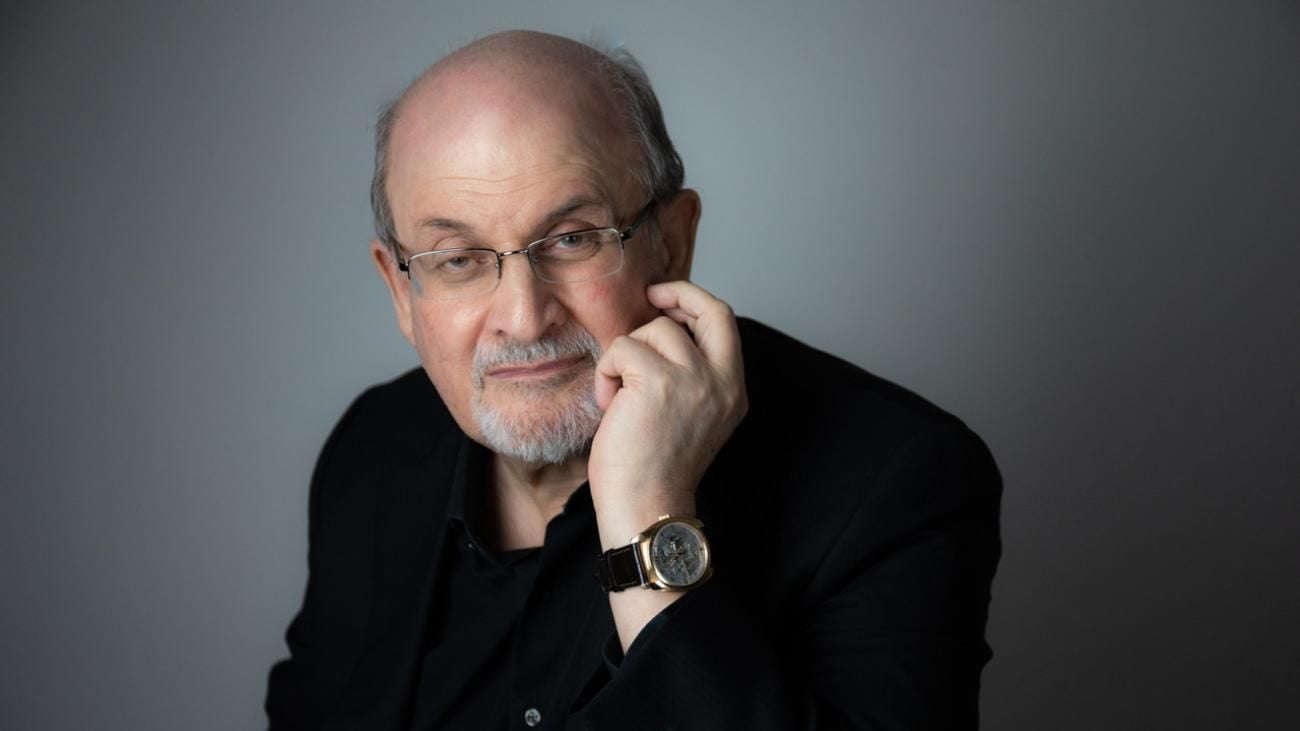
Reflecting on artistic influences during a literary festival appearance in Mexico, Rushdie described how writers such as Gabriel García Márquez and Jorge Luis Borges opened doors for experimentation, showing him paths he might also want to explore in his own writing.
Midnight’s Children secured enduring recognition within the literary community over the decades. In subsequent anniversary votes organized by the prize administrators, the novel was selected twice more, winning both the Booker of Bookers
and the Best of the Booker
titles on the 25th and 40th anniversaries of the award.
Keep reading
Sikh Truck Driver Stabbed 17 Times at Wyoming Rest Stop
A 28-year-old Sikh truck driver from Sacramento, California, was stabbed 17 times at a Wyoming rest stop early...
Buckingham Palace Responds to Earl Spencer’s Claims About King Charles
Buckingham Palace issued a rare public response on Wednesday evening to claims made by Earl Spencer in his...
B’Tselem Report Accuses Israel of Dismantling Palestinian Life in West Bank
Israeli human rights group B’Tselem released a comprehensive report titled The Elimination Project, accusing Israel of systematically dismantling...
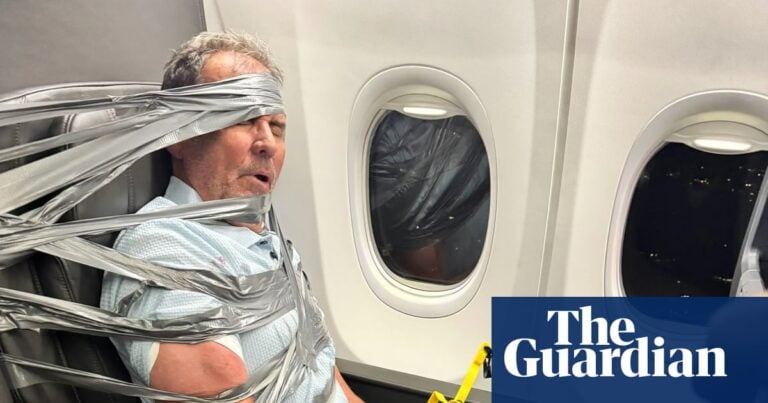
Arizona Man Arrested After Passengers Restrain Him on American Airlines Flight
Passengers restrained him with duct tape and zip ties before authorities arrested him.