India’s cheetah population has risen to 52 four years after the launch of Project Cheetah, marking the world’s first intercontinental translocation of large wild carnivores. The milestone includes 32 cubs born in the country, with animals currently distributed across Kuno National Park and Gandhi Sagar Sanctuary in Madhya Pradesh.
Four Years of Translocations and Population Growth
Project Cheetah formally began on September 17, 2022, when Prime Minister Narendra Modi released eight wild cheetahs brought from Namibia into special enclosures at Kuno National Park in Madhya Pradesh. Over the subsequent four years, the restoration effort expanded through additional intercontinental arrivals from South Africa and Botswana.
On February 18, 2023, India received a second batch of 12 cheetahs from South Africa. In February 2026, the programme was further strengthened with the addition of nine cheetahs from Botswana, consisting of six females and three males intended to enhance genetic diversity. According to a four-year status review covering the period from September 17, 2022, to September 17, 2026, the cumulative total stands at 52 cheetahs, driven significantly by natural reproduction within the country.
Tracking the Demographics Across Source Populations
The demographic structure of the 52 cheetahs reflects varying survival rates and breeding success across the three distinct founding groups from Namibia, South Africa, and Botswana. The four-year status review, titled Four Years of Cheetahs in India,
outlines the contributions of each cohort:
Of the eight cheetahs initially introduced from Namibia in September 2022, three are currently surviving. They have produced 22 India-born offspring, bringing the surviving Namibian-origin population and its progeny to a total of 25.
Of the 12 South African cheetahs introduced on February 18, 2023, eight have survived alongside 10 India-born offspring. This takes the South African-origin population and progeny to 18, of which 15 are in Kuno National Park and three are in Gandhi Sagar Sanctuary.
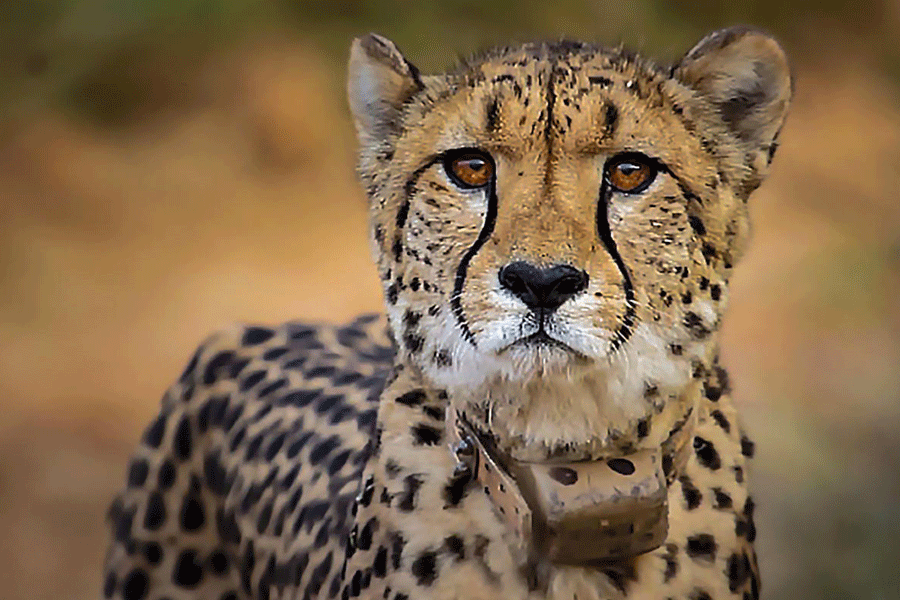
In February 2026, India added nine cheetahs from Botswana, comprising six females and three males. Their introduction was intended to strengthen the genetic diversity and long-term viability of the Indian cheetah population.
Source GroupInitial TranslocationSurviving Imported AdultsIndia-Born OffspringTotal Progeny & SurvivorsNamibia8 cheetahs (Sept 2022)3 alive22 cubs born25 totalSouth Africa12 cheetahs (Feb 2023)8 alive10 cubs born18 totalBotswana9 cheetahs (Feb 2026)9 alive (six females, three males)—9 total
Of the total population of 52 big cats, 49 are housed within Kuno National Park, while the remaining three reside in Gandhi Sagar Sanctuary, both located in Madhya Pradesh.
Overcoming Early Management Hurdles and Breeding Success
The journey to 52 cheetahs involved navigating significant ecological and logistical hurdles. Officials noted that The team faced many challenges in the first year of cheetah reintroduction. During this time, they gained experience in cheetah behaviour, health, and management adapted to Indian conditions.

During the second year, the focus pivoted toward the survival and development of domestic cubs, with 13 cubs surviving for more than a year after birth. By the third year in 2025, cheetahs were released into open forest areas and monitored 24 hours a day across an interstate landscape spanning 12 districts, with officials noting the animals gradually adapted to new areas. The establishment of breeding females and the successful survival of second-generation cubs in the fourth year are considered significant achievements of the programme.
Habitat Expansion and Future Restoration Phases
As population numbers increase, management strategy has shifted toward geographical expansion. Kuno National Park noted that the establishment of breeding females and the survival of second-generation cubs, four years into the programme, mark an important consolidation phase in India’s cheetah reintroduction efforts.
The next phase of the cheetah restoration programme involves expanding suitable habitat for cheetahs and establishing a comprehensive, long term cheetah meta population in India. Officials highlighted the survival of cubs, breeding success and the expansion of the animals into open forest areas as key milestones as Project Cheetah completes four years.
Worth a look

Netherlands to Close Embassy in Harare as Part of Global Restructuring
The Netherlands announced plans to close its embassy in Harare as part of a broader restructuring of its...
Manitoba Adopts Permanent Daylight Saving Time After Public Survey
Manitoba is officially ending twice-yearly clock changes after nearly 72,000 survey respondents overwhelmingly backed permanent daylight saving time,...

Supreme Court Questions ECI Over Shiv Sena Symbol Allotment
During the ongoing Supreme Court hearings on the Shiv Sena leadership dispute, a bench led by Chief Justice...

UK Government to Install Cot Cameras in Neonatal Units Following Inquiry
Following a damning inquiry into the Countess of Chester Hospital, the UK government has announced plans to install...