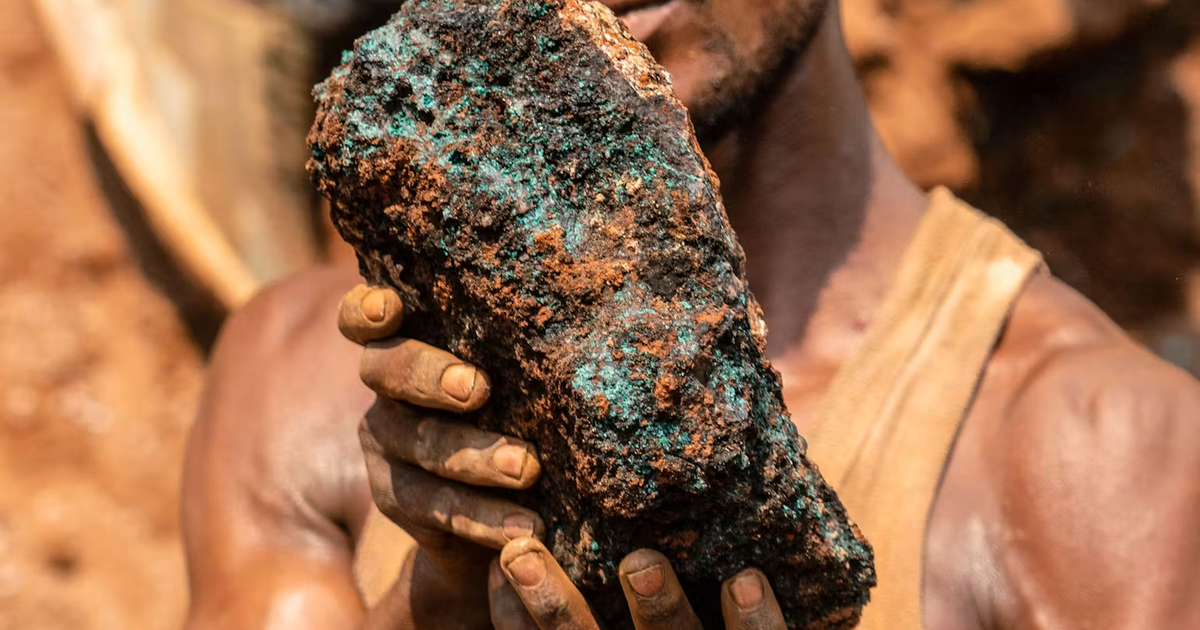
President Hassan Sheikh Mohamud announced that deposits of uranium, lithium, and cobalt have been confirmed in Somalia, adding three critical minerals to the nation’s natural-resource base as the government steps up efforts to attract international investment according to Business Insider Africa. The president made the disclosure while opening the Somalia Development Financing Forum in Mogadishu, emphasizing that global interest in critical minerals makes their confirmed presence in the country significant as reported by Hiiraan Online.
Somalia Confirms Uranium, Lithium, and Cobalt Deposits
Today, the world is keenly interested in minerals, particularly so-called critical minerals,
Mohamud said at the forum. Whether it is uranium, lithium, cobalt or many others currently sought after globally, their presence in Somalia has been confirmed.
While the discovery introduces valuable commodities—with lithium and cobalt widely utilized in modern energy and technology industries, and uranium serving as a source of nuclear fuel—the president did not disclose the specific size, geographic location, or commercial viability of the deposits noted Trendsnafrica. Further geological surveys, exploration, and feasibility studies remain necessary to establish economic value.
Updating the Legal Framework for Mining
For decades, commercial-scale mining in Somalia has remained limited, with small-scale operators producing modest quantities of gold, gemstones, granite, marble, and salt. Beyond these minerals, the Ministry of Petroleum and Mineral Resources indicates that the country also holds iron ore, copper, tin, bauxite, phosphates, gypsum, and salt.

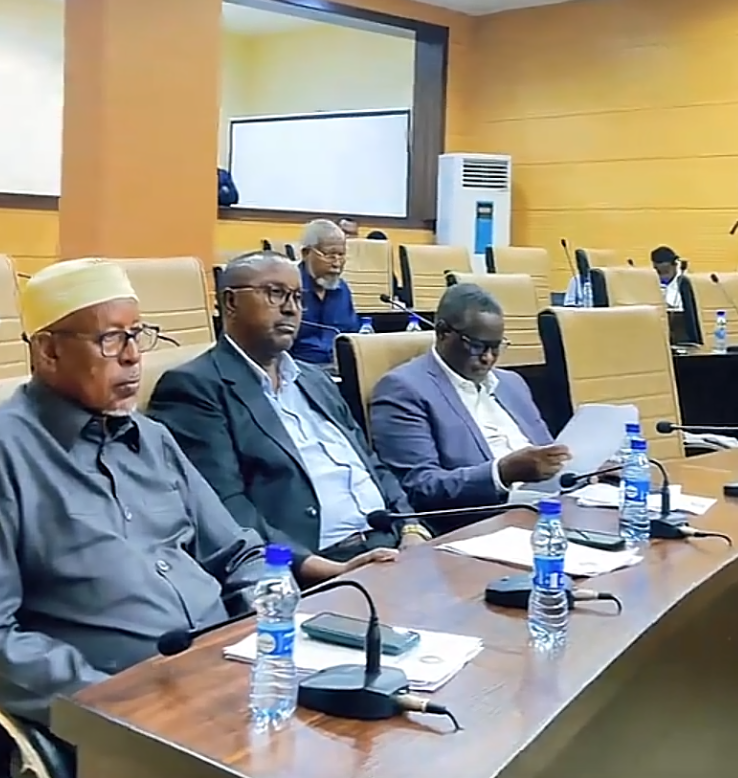
To help regulate this potential, Somalia’s Upper House of Parliament approved the Federal Republic of Somalia Mining Bill by an overwhelming majority, with 28 senators voting in favor and two opposed according to ftlsomalia.com. The legislation replaces the outdated 1984 Mining Code that had governed the sector for over four decades. Minister of Petroleum and Mineral Resources Tahir Shire Mohamed described the new law as a cornerstone for economic growth, while Deputy Minister Abdiwahab Abdi Omar traveled to Riyadh in January 2026 to present Somalia as a viable destination at the Arab League Mining Ministers meeting and the Future Minerals Forum.
Investment Climate and Broader Economic Goals
Despite legislative updates, turning resource potential into large-scale capital has faced persistent hurdles. Decades of conflict, security threats linked to al-Shabaab, weak infrastructure, high electricity costs, and regulatory uncertainty have weighed heavily on investor confidence. Large-scale mining requires reliable roads, ports, electricity, and water supplies, all of which drive up development costs where infrastructure is scarce.
Somalia is not alone in facing these hurdles. A study by the Center for Strategic and International Studies examined 14 mineral-rich African countries and found that the continent continues to receive a relatively small share of global exploration spending. Africa accounted for approximately 10.4% of global mineral exploration spending in 2024, down from 16% in 2004, constrained across the region by financing gaps, infrastructure shortages, and security risks in nations such as Nigeria, Uganda, Malawi, Mozambique, and Niger.
To counter these challenges, Mogadishu is utilizing its National Transformation Plan 2025–2029 and the long-term National Vision 2060 to attract private capital. Alongside minerals and offshore oil and gas exploration, the government is actively seeking international investment in fisheries, agriculture, livestock, and infrastructure to increase domestic production, diversify the economy, and reduce external reliance.

Israel Football Association Condemns Heimir Hallgrímsson’s Genocide Remarks
The Israel Football Association has condemned Republic of Ireland manager Heimir Hallgrímsson’s remarks connecting their upcoming Nations League...

Real American Freestyle Signs Five-Year Abu Dhabi Deal for Etihad Arena Events
Real American Freestyle has locked in a five-year deal with Abu Dhabi to stage annual wrestling events at...
Denmark Says NATO Will Oversee Arctic Security Under Greenland Pact
Denmark, Greenland, and the United States are preparing to sign a security agreement at the United Nations General...

Ed Sheeran Breaks Down Onstage in Philadelphia Over Tour Backlash
Ed Sheeran broke down onstage during his September 21 concert in Philadelphia, telling a 50,000-strong crowd that he...