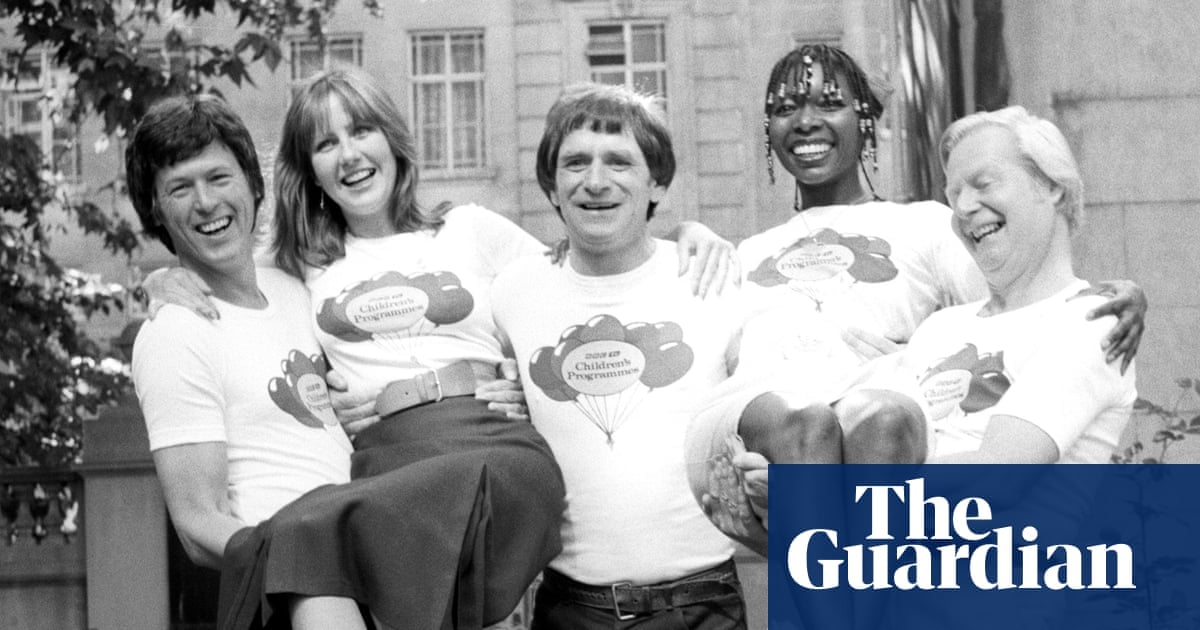
After a 38-year absence, the BBC is bringing back its children’s television programme Play School, inviting producers to pitch a modern live-action reboot featuring 50 episodes and companion content for a new YouTube parenting channel as part of a fresh push for quality youth programming.
For the generations who grew up watching Humpty, Jemima, and Big Ted—as well as other much-loved presenters such as Floella Benjamin and Johnny Ball, who helped make the show synonymous with wholesome children’s television during its run of more than 20 years on air—the mention of the BBC preschool staple evokes an immediate wave of nostalgia. Running originally from 1964 to 1988, the show was designed to recreate nursery and playgroup experiences at home through a traditional blend of songs, stories, movement, music, poetry, and imaginative play. Now, the broadcaster wants to reintroduce that format to a contemporary audience.
The return coincides with the debut of the new CBeebies Parenting Promise, which aims to support learning through play for every child while offering parents and caregivers deeper visibility into the concepts driving their kids’ favorite shows. Alongside the broadcast commission, the reboot will include companion material for a brand-new CBeebies Parenting YouTube channel aimed at providing practical play ideas and expert guidance, offering resources that reflect the standards, care, and expertise that have guided CBeebies for almost 25 years according to bbc.com.
Pitches Invited for a Modernized Format
Producers hoping to take on the classic format face specific parameters. The BBC is looking to commission a series made up of 50 episodes, each lasting 14 minutes, alongside 70 minutes of supplementary digital content. Ideally, pre-production will kick off in February 2027, with the first batch of episodes hitting screens during the 2027-28 financial year, followed by the remaining episodes in 2028-29.
While the corporation wants to evolve the show to suit shorter episode durations and today’s viewers, producers have been instructed to preserve the core values that carried the original run for more than two decades. That includes maintaining a warm, inviting tone where presenters speak directly to the camera, while building on a legacy that embodies creativity, curiosity, imagination, and learning through play as noted by theguardian.com and bbc.com.
We’re open to new and modern takes on the classic programme and we’re looking for creative visions about how the series can retain the much-loved elements whilst evolving to meet the needs of the audience today and a shorter episode duration.
The BBC, via Yahoo News UK
Applicants are also being asked to pitch ideas for presenters drawn from diverse backgrounds and interests. The broadcaster is also encouraging creative approaches to the programme's iconic toy roster, which historically included Humpty, Jemima, Big Ted, Little Ted, and Hamble—later replaced by Poppy. Proposals are invited to bring these characters to life in a contemporary capacity, whether through new characters or by presenting original favorites as animation.
Combating Low-Quality Content and Declining Budgets
The decision to resurrect the live-action series arrives amid broader industry anxiety regarding online children’s content. Broadcasters and regulators have raised growing concerns about low-quality, addictive digital material circulating online. Patricia Hidalgo, the director of BBC Children’s and Education, pointed to a challenging media environment where trusted programming carries heightened importance for families.
Parents and carers place enormous trust in CBeebies and that is a responsibility we never take for granted. Behind every programme is a team of experts, programme makers and storytellers committed to creating content that helps children learn, grow and thrive. In a changing media landscape, we believe trusted, high-quality children’s content has never been more important.
Patricia Hidalgo, Director of BBC Children’s and Education, via The Guardian
This cultural push back against online content described as low-quality and addictive slop is also under examination by MPs on the culture, media, and sport select committee. Hidalgo previously informed lawmakers that investment into younger audience programming by public service broadcasters—including the BBC, ITV, Channel 4, and Channel 5—plummeted by 40% over a 14-year span ending in 2024, falling below £80m. Over that same period, the volume of original children’s content was cut in half, dropping to under 400 hours.
Building Brands for a Global Market
In addition to fighting digital sludge, the BBC is reviving the classic Play School property as part of its wider quest for proprietary power brands capable of competing within the fast-growing international market for children’s television. Hidalgo has previously cautioned that heavy consumption of American children’s content on YouTube risks weakening young audiences’ connections to domestic culture and language.

By pairing the traditional preschool format with dedicated YouTube resources, the broadcaster aims to meet families directly on the digital platforms where children’s media consumption is booming.
Worth a look
Justin Bieber Performs Surprise Acoustic Set at MacArthur Park
Justin Bieber staged an impromptu acoustic set at Los Angeles’ MacArthur Park on September 22, 2026, performing several...
Charles Spencer’s New Memoir Details Heated Arguments With King Charles III
Decades after the death of Princess Diana, her brother Charles Spencer has published a memoir titled Swan Song:...
Vivek Oberoi Backs Salman Khan Over Online Trolling
Following Salman Khan’s fiery televised defense against online trolls targeting Katrina Kaif’s postpartum weight and his own physical...

NYC Mayor Zohran Mamdani Condemns Paramount-Warner Bros. Discovery Merger
New York City Mayor Zohran Mamdani strongly criticized the massive $111 billion merger between Paramount Skydance and Warner...