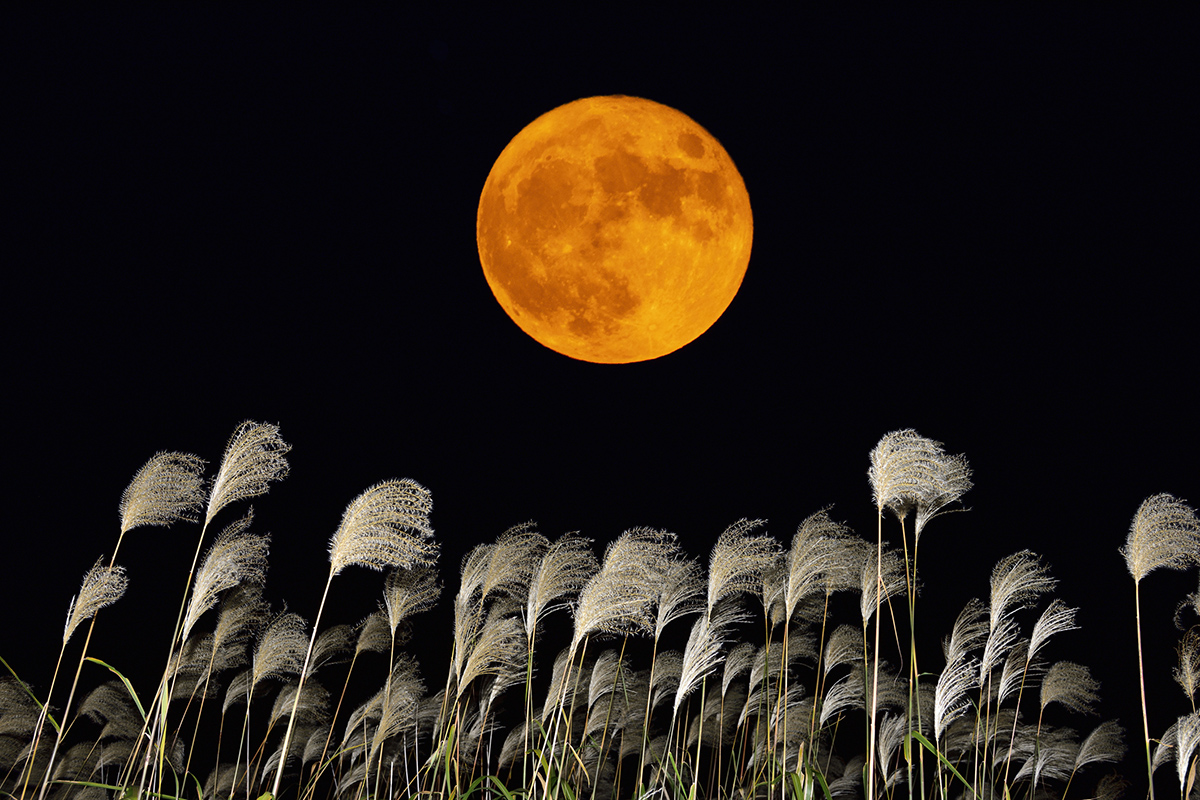
Skywatchers are preparing to view the full moon this weekend as the Harvest Moon rises on September 26, 2026. The celestial event officially reaches its fullest point at 5:49 pm on Saturday, according to the Royal Observatory Greenwich. While the moon will still be below the horizon across much of the UK at that exact moment, it will rise shortly afterward, providing an almost completely illuminated lunar display throughout the evening.
The exact timing of the moonrise depends on geographic location. In London, for example, the moon is expected to appear at approximately 6:27 pm on Saturday, arriving shortly after sunset. Observers hoping for a clear viewing opportunity are advised to look toward the eastern horizon, where an open view away from tall buildings and trees offers the best chance of spotting the moon as it emerges.
Tradition and History Behind the Name
The term Harvest Moon is traditionally given to the full moon that occurs closest to the autumn equinox. Although it frequently lands in September, it can occasionally fall in October depending on the calendar alignment with the equinox.
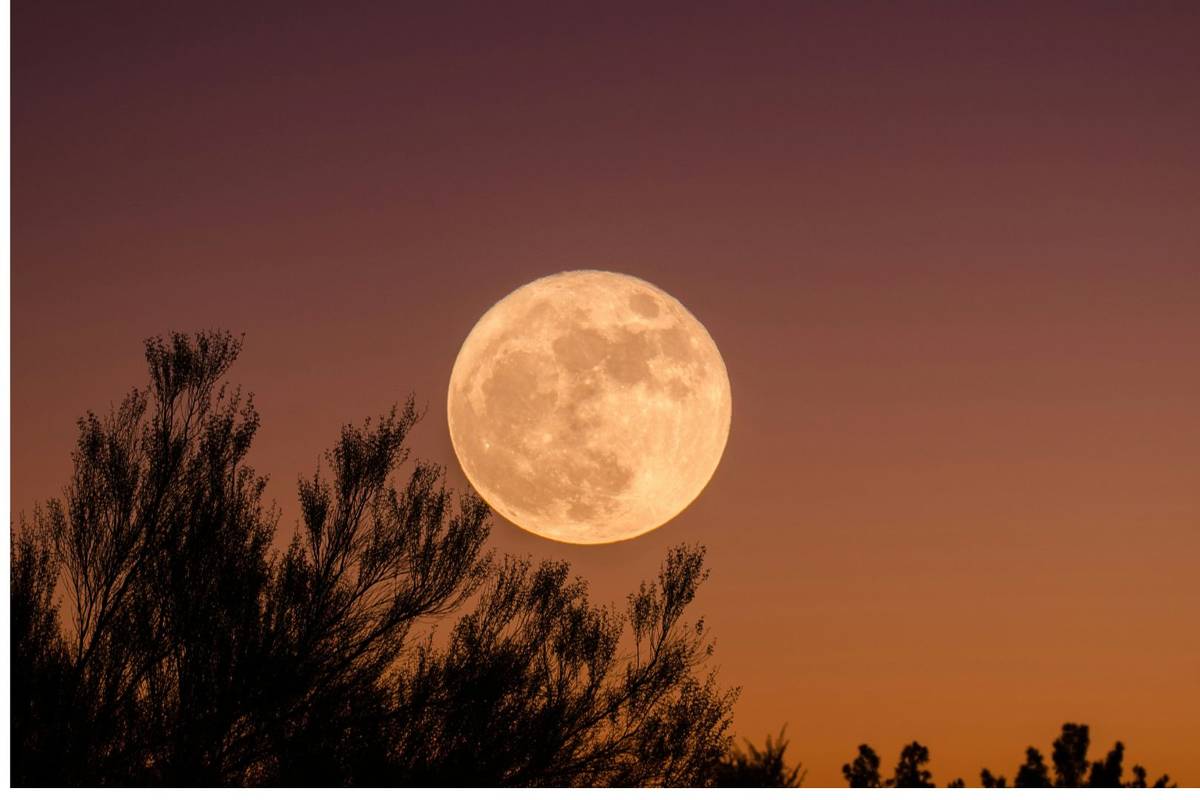
Historically, the name originated from the practical benefits the lunar cycle provided to agricultural workers before the era of modern lighting. Around the time of the autumn harvest, the bright moon appearing immediately after sunset offered additional evening light. This extra illumination allowed farmers to continue gathering crops from the fields well into the night. The Royal Observatory Greenwich also notes that September’s full moon is alternatively known as the Corn Moon.
What Makes This Moon Different
The timing of this full moon relative to the September equinox creates a unique astronomical phenomenon. The difference in moonrise times from one evening to the next is the smallest of the entire year, measuring as little as 10 minutes compared to the annual average of 50 minutes. This proximity creates consecutive evenings of bright early-evening moonlight.
Observers may also notice striking visual effects as the moon clears the horizon. When the moon is low in the sky, moonlight must travel through a thicker layer of the Earth’s atmosphere before reaching human eyes. The atmosphere scatters shorter blue wavelengths more strongly, leaving yellow, orange, and red light visible, which can give the moon a distinct orange or red tint.

Viewers may also experience an optical phenomenon known as the Moon illusion, which makes the rising moon appear significantly larger near the horizon than it does higher in the night sky, even though its physical size remains unchanged. No specialist equipment or telescopes are required to enjoy the event, though binoculars can reveal additional details on the lunar surface. Stargazers looking to the east on September 26 will find a special planetary companion, as Saturn will rise about an hour after the moon, appearing as a bright star below and to the left of it.
Weather Outlook and 2026 Lunar Schedule
Cloud cover will ultimately dictate how clear the view is across individual regions. Forecasts for London indicate clear skies and bright weather on Saturday, though some rain and cloud are predicted for Sunday. Even if cloud cover interferes at the exact moment of moonrise, observers may benefit from checking outside later in the evening as breaks develop, since the moon will remain exceptionally bright and appear essentially full all weekend.
The September event kicks off the final stretch of the year’s lunar calendar. According to the Royal Observatory schedule, the remaining full moons for 2026 include:
* October 26: Hunter’s Moon * November 24: Beaver Moon (supermoon) * December 23 or 24: Cold Moon (supermoon)
Worth a look

Prime Video Casts Six New Actors in Historical Drama The Challenger
Prime Video has expanded the cast of its historical drama series The Challenger with six new recurring actors,...
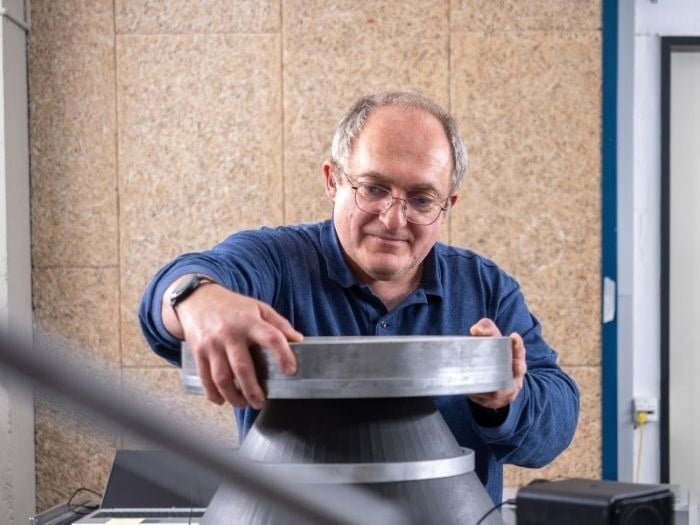
Empa and Beyond Gravity Develop Phononic Crystal System to Protect Satellites
Researchers at Empa and space company Beyond Gravity have developed a novel payload adapter system for rockets that...

ClearSpace to Advance Phoenix Satellite Life-Extension Spacecraft With ESA
ClearSpace signed a contract on September 22, 2026, with the European Space Agency to advance Phoenix, a geostationary...

Super El Niño Projected to Cause Over 450,000 Heat Deaths Worldwide
Concurrently, California officials have declared a state of emergency, mobilizing emergency supplies, flood-fighting equipment, and National Guard logistics...