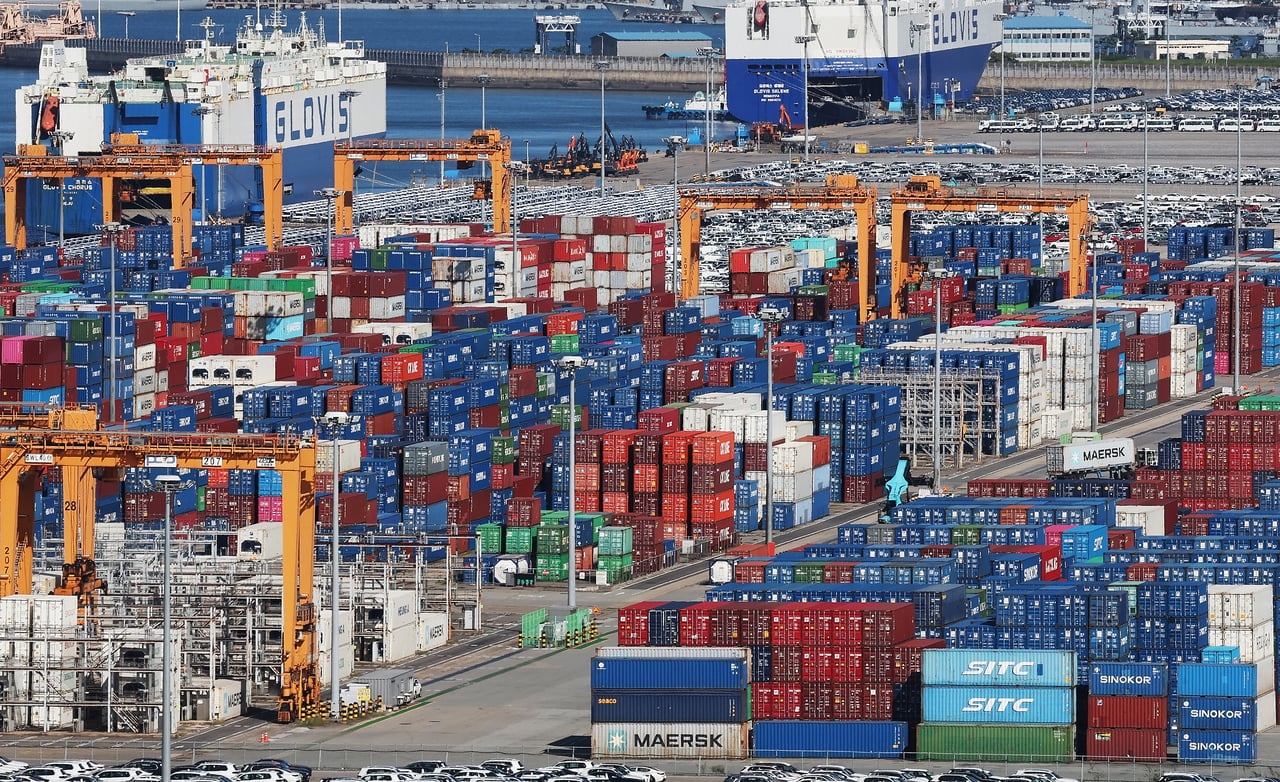
South Korea’s manufacturing sentiment rose for the fourth quarter as strong exports of semiconductors and cosmetics lifted the business survey index to 86, though high raw material and energy costs left most manufacturers expecting operating profits to fall short of annual targets.
Semiconductors and Cosmetics Drive Second Consecutive Quarterly Rise
Business sentiment among South Korean manufacturers improved for the fourth quarter, marking the second consecutive quarterly increase recorded by a nationwide survey. The business survey index, tracking 2,413 manufacturing companies, climbed 6 points from the previous quarter to reach 86 for the October-December period, according to data from the Korea Chamber of Commerce and Industry.
Despite the upward movement, the headline figure remained below the 100-point threshold, indicating that pessimistic companies still outnumbered those anticipating better operating conditions.
The semiconductor industry registered a reading of 139 points, marking the highest level since the survey began and its fourth straight quarter above the baseline. The cosmetics sector climbed 20 points to 120, while medical and precision equipment manufacturing gained 28 points to land at 108.
Trade Group Data Points to Broadening Export Strength
Separate findings from the Institute for International Trade at the Korea International Trade Association painted an even stronger picture for the nation’s broader export economy. Cumulative exports topped $700 billion earlier in the month, surpassing the total for the entire previous year. Driven by that momentum, the Export Business Survey Index for the fourth quarter came in at 111.3, rising 4.3 points from the previous quarter’s 107.0 to stay above 100 for a fifth consecutive quarter.
Out of 15 tracked product categories, seven were projected to experience favorable export conditions. Semiconductors led all sectors with an index of 140.7, marking its brightest outlook in six consecutive quarters. Analysts point to escalating demand for server memory as major technology corporations expand artificial intelligence investments, alongside persistently high chip prices.
Shipbuilding followed closely with a reading of 138.0. That performance rests on a substantial order backlog and new vessel contracts tied directly to expanding liquefied natural gas projects.
Divergent Fortunes Across Manufacturing Sectors
While high-tech and heavy industry surge, consumer-facing and agricultural sectors face severe headwinds. Household goods dropped to 79.0, and textiles and apparel fell to 80.1. Those downward trends stem from softening consumption in major overseas markets alongside intensifying competition from lower-priced goods originating in China and Southeast Asia.
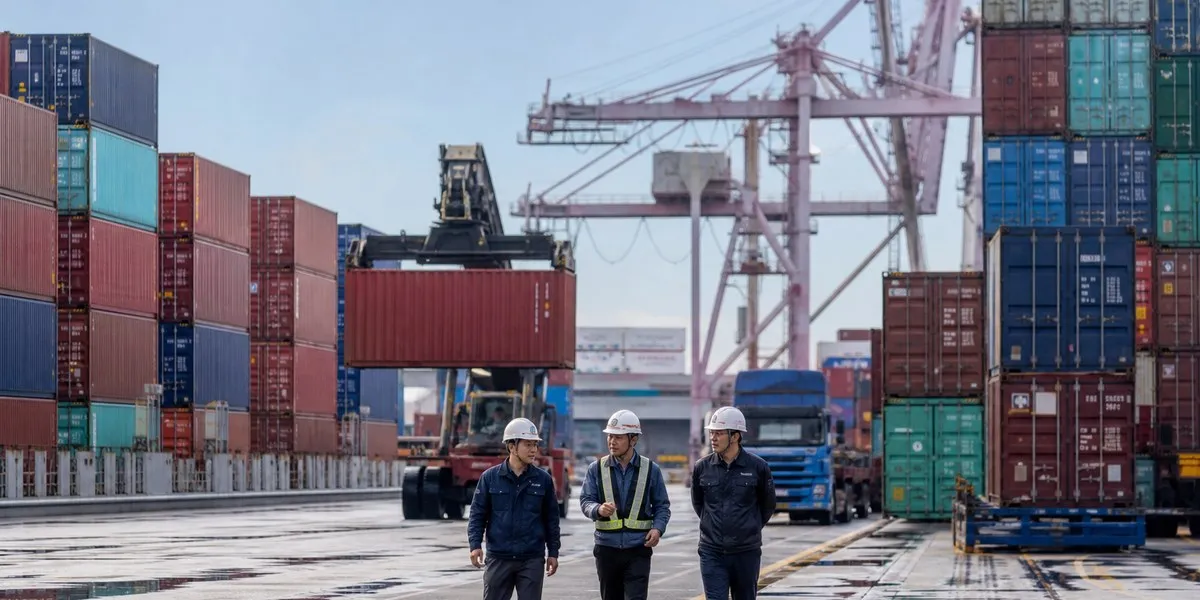
Agricultural and fishery products also remained depressed at 86.5. Higher oil prices continue to inflate refrigeration and freight expenses, squeezing profit margins for producers.
| Industry Sector | Survey Index Reading | Trend Direction |
|---|---|---|
| Semiconductors | 140.7 | Strongest outlook in six quarters |
| Shipbuilding | 138.0 | Supported by large order backlogs |
| Cosmetics | 120.0 | Up 20 points from prior period |
| Medical & Precision Equipment | 108.0 | Up 28 points from prior period |
| Textiles and Apparel | 80.1 | Expected to deteriorate on foreign competition |
| Household Goods | 79.0 | Weighed down by slowing foreign consumption |
Persistent Cost Pressures Threaten Corporate Profitability
Even as export volumes expand, rising expenses threaten corporate bottom lines. Among manufacturing respondents, 60.4 percent reported that they expect annual operating profits to fall short of initial corporate targets due to persistent cost burdens from raw materials and energy.

Trade data confirms that overhead concerns dominate corporate risk assessments. Energy-driven raw material price spikes ranked as the primary obstacle at 20.4%, followed by exchange rate volatility for the won at 16.5% and elevated logistics expenses tied to geopolitical tensions at 15.2%.
“But risk management at the corporate level and policy support are needed so that uncertainty over external variables such as raw material prices, exchange rates and logistics costs does not erode corporate profitability.”
Lee Jun-ho, researcher at the Korea International Trade Association
Worth a look

TASK#STOMP Malware Uses Windows Tools to Steal Sensitive Enterprise Data
Security researchers have uncovered TASK#STOMP, a Windows backdoor using hidden PowerShell commands, VBScript installers, and scheduled tasks to...

T-Mobile is giving away the new Apple iPhone 18 Pro for free — how to claim
T-Mobile launched its iPhone 18 "On Us" promotion, offering Apple's brand-new iPhone 18 Pro free of charge for...

10-Year Treasury Yield Tops 5% Amid Heavy AI Infrastructure Borrowing
The benchmark 10-year U.S. Treasury yield breached 5% in September 2026, touching multi-decade highs not seen since 2007.

Prix Goncourt Drops Novel After AI and Plagiarism Allegations
France's prestigious Prix Goncourt removed Thélyson Orélien's critically acclaimed novel C’était ça ou mourir from its longlist on...