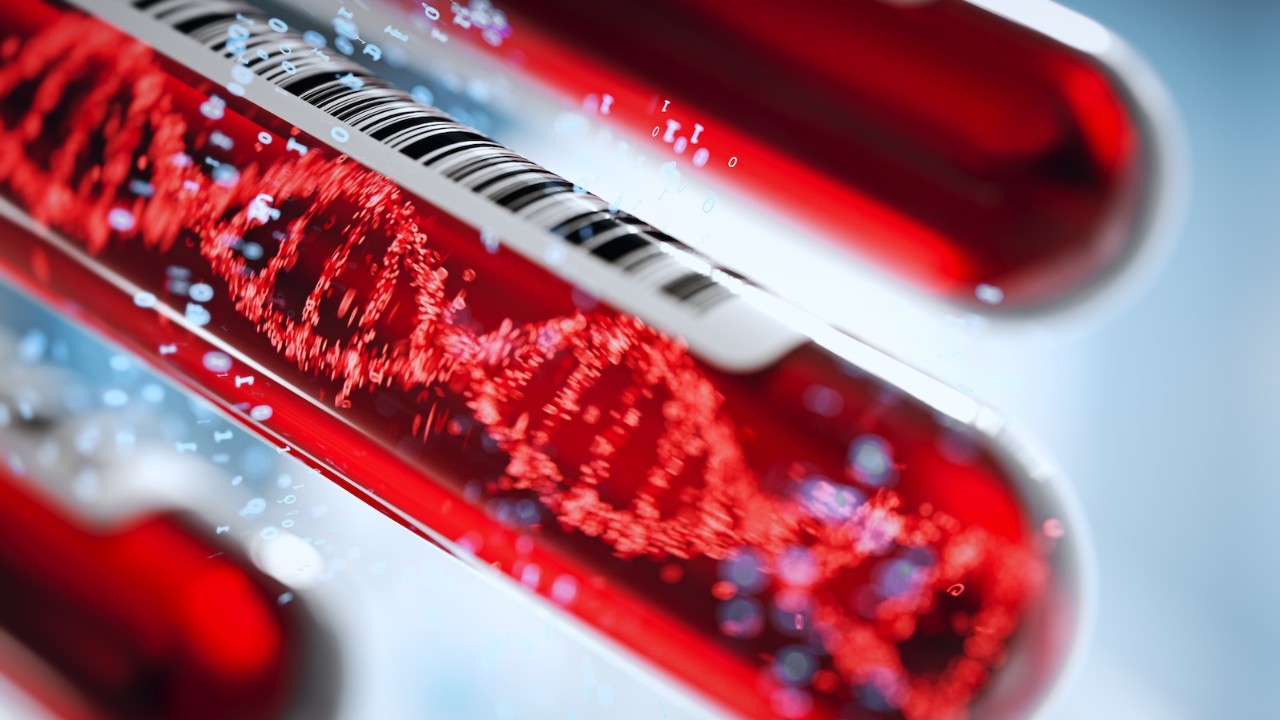
Researchers at the University of Hawaiʻi have identified 31 small non-coding RNA markers in stored blood samples that signal future lung cancer risk up to 10 years before clinical diagnosis, achieving 95 percent overall accuracy in computer model testing.
Detecting disease years before symptoms manifest has long been a central goal in oncology. A team from the Department of Quantitative Health Sciences at the UH Mānoa John A. Burns School of Medicine set out to answer whether a molecular signal (measurable biological change) of future lung cancer could already be present in blood many years before diagnosis,
according to PhD candidate Zhuokun Feng.
University of Hawaiʻi Researchers Identify 31 RNA Biomarkers
The newly discovered panel consists of 31 tiny markers known as small non-coding RNAs. By analyzing stored blood samples collected before participants were diagnosed, the research team isolated these specific molecules and linked them to future lung cancer risk.

The study was led by Youping Deng, Zhuokun Feng, and Masaki Nasu. Deng also co-directs genomics research at the UH Cancer Center, while Loïc Le Marchand served as co-author and lead investigator for the Multiethnic Cohort Study.
Computer Model Achieves High Accuracy Across Patient Demographics
To evaluate the predictive power of the biomarker panel, the researchers deployed a computer model that achieved 95% overall accuracy in testing. Crucially, the RNA-based risk score maintained its strong association with future disease even after the team accounted for confounding variables such as age, sex, ethnicity, and smoking history.
This long-term predictive window held firm five to 10 years prior to a clinical diagnosis. The research team is now actively pursuing patent protection for the biomarker panel along with its potential clinical applications.
National Institutes of Health Support and Genomic Infrastructure
The work received financial backing from the National Institutes of Health through multiple grants. This support included funding connected to the UH Pacific Center for Genome Research, which was established with a vial-supporting $10.9 million NIH grant in 2023 to advance genomics research across diverse populations.
Broader State of Blood-Based Cancer Diagnostics
Maximilian Diehn, a professor of radiation oncology at Stanford Medicine, noted that while such tests are on the market, I don’t think they’re ready for prime time.
Even though they’re commercially available, I don’t think they’re ready for prime time.
Maximilian Diehn, MD, PhD, professor of radiation oncology at Stanford Medicine, via Stanford
Douglas K. Owens, who directs the Stanford Center for Health Policy and chaired the U.S. Preventive Services Task Force, agrees that multicancer early detection technologies have yet to definitively prove their ability to improve patient survival outcomes.
Related reading

Early-Onset Colorectal Cancer Surges Among Adults Under 50
A sharp increase in colorectal cancer among adults under the age of 50 has drawn urgent attention from...
Researchers Defend In Vitro Study on C. difficile Spore Persistence
Researchers defending their in vitro study on sodium hypochlorite and Clostridioides difficile spores argue that basic laboratory science...
Global Study Links One in Eight Cancer Cases to Infections
An estimated 2.3 million new cancer cases worldwide in 2024—representing about 12 percent of all new diagnoses—were caused...
Study Examines Environmental Drivers for 32 Emerging Infectious Diseases
Researchers have tested for a general, detectable anthropogenic fingerprint on the geographic distribution of human outbreaks across 32...