Researchers studying hospitalized cancer patients at Memorial Sloan Kettering Cancer Center, City of Hope, and NYU Langone Health discovered that consuming sugary foods during antibiotic treatment increases damage to the gut microbiome, with a 21 percent reduction in bacterial diversity for every 100 grams of sugar consumed in the 48 hours prior to treatment.
Antibiotics remain a foundational tool for treating bacterial infections, yet their indiscriminate action destroys helpful microorganisms alongside harmful pathogens. That disruption leaves the digestive tract vulnerable, allowing aggressive opportunistic microbes to dominate. A collaborative research effort published in Nature on September 30, 2026, reveals that dietary sugar acts as a potent amplifier of this collateral damage.
Focusing on the intestinal microbiome, this research looks at bacterial populations that developed alongside humans to inhabit the gut, aid in digestion, and bolster immune function. Widely utilized across the globe, antimicrobial medications frequently destroy beneficial microorganisms together with pathogenic ones, occasionally allowing the harmful strains to take over. According to the study authors, maintaining a wide variety of native species helps the microbiome resist harmful pathogen buildup, whereas antibiotic use diminishes this diversity and increases disease susceptibility in the digestive system.
Tracking Thousands of Hospital Meals in Real Time
Sugar-rich foods exacerbate antibiotic-induced microbiome disruption
To overcome this limitation, investigators tracked 158 patients admitted for allogeneic hematopoietic cell transplantation—an intensive procedure involving chemotherapy or radiation that temporarily wipes out the immune system and requires heavy antibiotic administration. The investigation, directed by scientists affiliated with NYU Langone Health, City of Hope, and Memorial Sloan Kettering, meticulously recorded every food component across 9,419 meals.
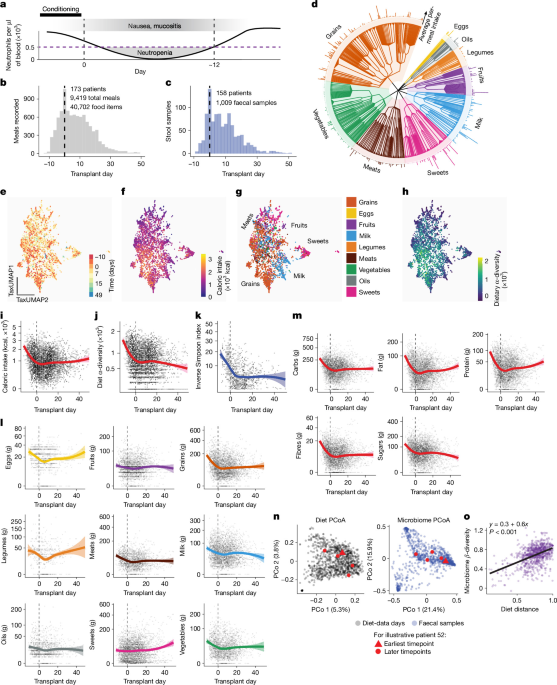
Every time patients ordered food from the hospital kitchen, the tray arrived with a questionnaire asking them to record exactly how much of each item they consumed. Researchers tracked 9,419 meals spanning 12 days before transplantation to 49 days after, cataloging more than 40,000 distinct food items alongside regular fecal sample collections from 158 patients.
How Sugar Feeds Last-Resort Microbes
When the team analyzed the data, a clear signal emerged: patients who consumed sugary foods while taking antibiotics experienced a much sharper loss of microbial diversity. The researchers noted a 21 percent reduction in alpha diversity for every 100 grams of sugar consumed in the 48 hours before treatment.
Study Suggests Skipping Sweets During Antibiotic Treatment May Help
During the research, each 100-gram rise in sugary treats consumed within the two days preceding therapy—amounting to the sugar content found in a large milkshake—resulted in a decline of bacterial variety exceeding twenty percent.
Antimicrobial treatments upset the ecological equilibrium of the gut by eliminating numerous microbial species, ultimately resulting in a handful of resilient remnant strains that might not provide optimal health advantages.

Among the aggressive strains that thrive under these conditions is Enterococcus, particularly Enterococcus faecium. When this organism overgrows, patients face a heightened risk of bloodstream infections, graft-versus-host disease, and other life-threatening complications. Laboratory experiments in mice confirmed the dynamic, showing that animals given the antibiotic biapenem alongside a high-sucrose diet experienced a 33.4-fold increase in gut Enterococcus populations by day six.
Connecting Diet to Cancer Care Outcomes
Taking antibiotics? Skipping sweets may help protect your gut
The findings resonate with the growing concept of food as medicine during oncology care, where preserving microbiome diversity correlates directly with improved clinical outcomes. Researchers emphasized that modifying dietary intake during and after antibiotic courses could limit unintended health risks.
Antibiotics disrupt the diversity of our gut bacteria, or microbiomes, which play an essential role in supporting our immune systems and overall health. Our research supports emerging evidence that avoiding sugary foods during antibiotic treatment may protect the microbiome. Preserving microbiome diversity has previously been linked with improved clinical outcomes for patients with cancer. Marcel van den Brink, City of Hope
With evidence established across human cohorts and murine models, investigators are now looking toward future clinical evaluations.
Related reading
University of Hawaiʻi Researchers Find RNA Markers for Lung Cancer Risk
Researchers at the University of Hawaiʻi have identified 31 small non-coding RNA markers in stored blood samples that...
Early-Onset Colorectal Cancer Surges Among Adults Under 50
A sharp increase in colorectal cancer among adults under the age of 50 has drawn urgent attention from...
Researchers Defend In Vitro Study on C. difficile Spore Persistence
Researchers defending their in vitro study on sodium hypochlorite and Clostridioides difficile spores argue that basic laboratory science...
Global Study Links One in Eight Cancer Cases to Infections
An estimated 2.3 million new cancer cases worldwide in 2024—representing about 12 percent of all new diagnoses—were caused...