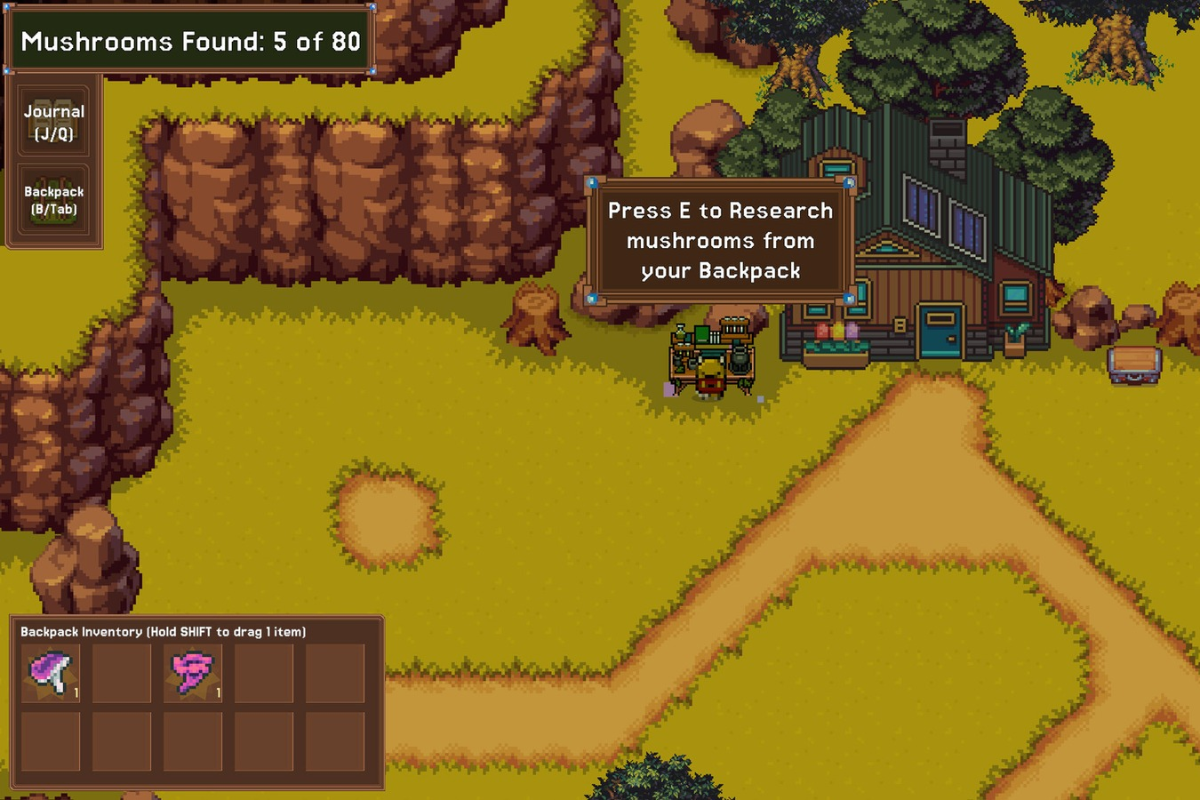
Nebraska’s aspiring game developers often face a difficult choice: move to a coastal industry hub or abandon their creative ambitions.
To counter this, the University of Nebraska at Omaha (UNO) College of Information Science & Technology is raising $60,000 to launch the GamePaD Fellowship, a two-year program designed to bridge the gap between academic training and a sustainable career within the state.
The Stakes of Local Industry Growth
Industry data supports the need for such a program. According to the Entertainment Software Association’s 2026 Economic Impact Report, the U.S. video game industry supported 250,838 jobs and generated $95.8 billion in economic impact during 2025. While these figures highlight the massive scale of the national market, Nebraska’s local talent has historically struggled to capture a share of that growth.
The fellowship aims to act as a catalyst by reducing brain drain. By providing tuition, medical benefits, and a stipend, the program allows fellows to focus entirely on developing a commercial game as a thesis-equivalent project. This structure helps graduates build a diverse portfolio while actively contributing to the state’s economy.
“As president of UNO’s Maverick Meadow Indie Game Studio, I’ve seen firsthand the incredible game development talent Nebraska holds. From Omaha to Lincoln, programmers and artists, and many more in the community, Nebraskans have a passion that they need help to express. Local game dev clubs and the Nebraska Indie Games Expo are great places to connect with others and show off work, but the fellowship has the opportunity to also provide financial support and mentorship that will be invaluable in kickstarting an aspiring game developer’s career.”
— William Barnard IV, president of Maverick Meadow Indie Game Studio and a computer science student at UNO, told the University of Nebraska at Omaha.
Mentorship and Long-Term Sustainability
The program is not merely a grant; it is an integrated curriculum. Fellows receive direct mentorship from UNO faculty, who guide them through the technical hurdles of game design, programming, and the commercialization process. The long-term goal is to make the fellowship self-sustaining. A portion of the proceeds from the commercial games developed during the program will be reinvested into the fund to support future cohorts.
Ada-Rhodes Wish, Ph.D., assistant professor at the College of IS&T and chair of the GamePaD program, notes that the barrier is often psychological as much as it is financial. Many students see their own Midwestern-centric work as less viable than titles produced in major tech centers.
“As a teacher, I get to see so many amazing, interesting, and uniquely Midwestern games that students develop, but so many students dismiss their own skills and potential because they do not see a path forward for themselves. Supporting the GamePaD fellowship is a way for us all to come together to support those students and help them create unique, amazing, and groundbreaking Nebraskan art that, in turn, will contribute to creating an industry with creatively fulfilling and financially impactful careers in Nebraska.”
— Ada-Rhodes Wish, Ph.D., told the University of Nebraska at Omaha.
Broader Institutional Support
The university maintains a wider ecosystem for graduate recognition, though funding structures vary significantly across departments. The University of Nebraska at Lincoln, for instance, manages various Graduate Recognition Awards and Fellowships, including the Folsom Thesis & Dissertation Awards. While these existing programs focus on academic research and teaching excellence, the GamePaD initiative at UNO represents a specific pivot toward vocational commercialization within the creative arts.
The fundamental question remains whether a singular fellowship can shift the momentum of an entire state’s tech labor market. While $60,000 serves as the necessary seed to launch the first two-year cycle, the long-term viability of the program rests on the ability of these fellows to successfully market their projects.
Related reading
- How Computational Biology and Machine Learning Drive Medical Research at WiseLab
- East Texas A&M Wins Double OT Thriller Over Portland Pilots
- No. 2 Oklahoma State Defeats No. 3 Nebraska 27-6 in Wrestling Dual (archyde.com)
- Porzingis Stepped Away, and His $20M Still Counts on Golden State's Cap (daybreakwire.com)
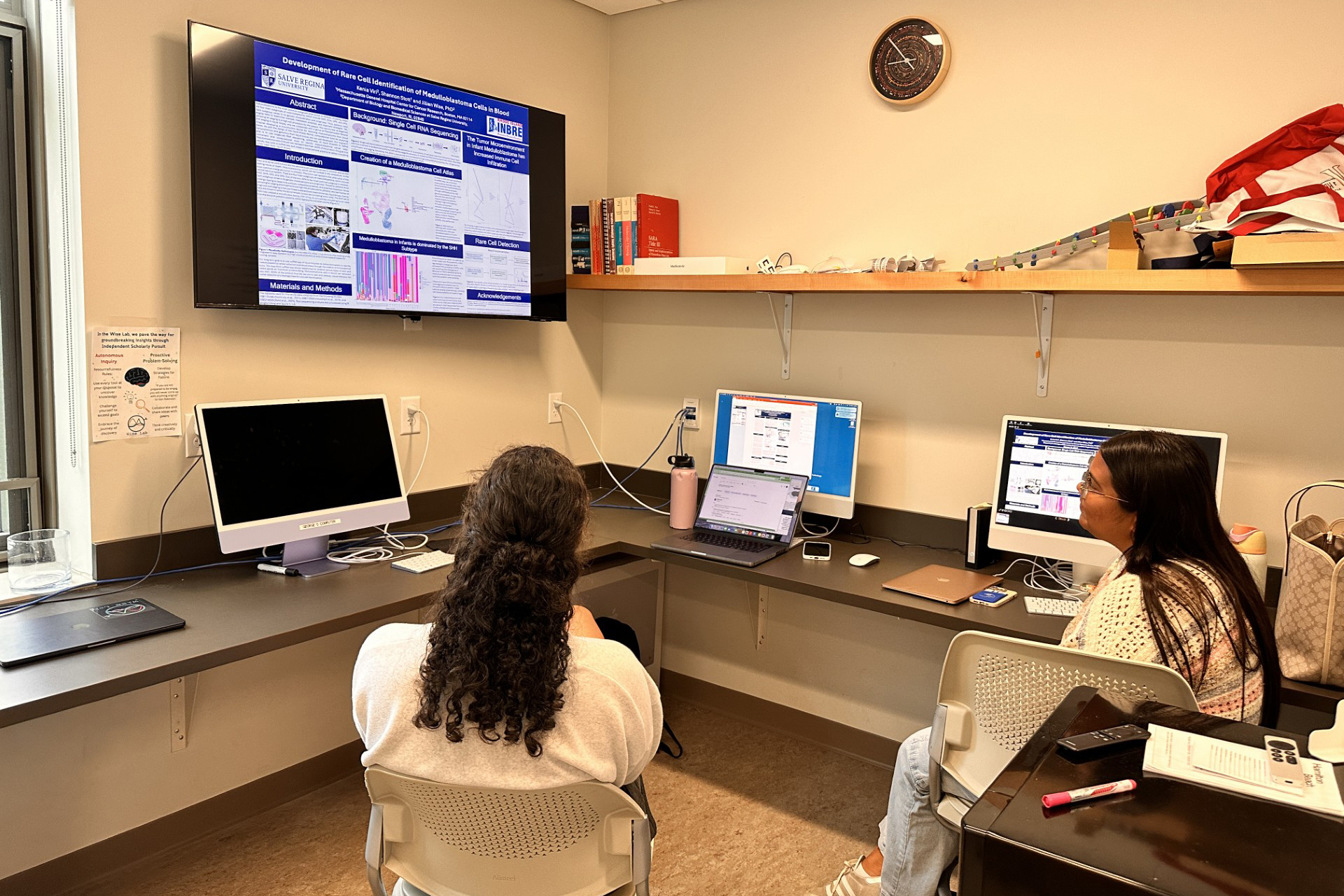
How Computational Biology and Machine Learning Drive Medical Research at WiseLab
Students at Salve Regina University are investigating pediatric brain cancer and COVID-19 variations using machine learning and genetic...

East Texas A&M Wins Double OT Thriller Over Portland Pilots
The East Texas A&M University men's basketball team outlasted the Portland Pilots 94-88 in a double-overtime road victory...

Oklahoma City lost 113-112 to the Los Angeles Clippers on Friday night
Oklahoma City lost 113-112 to the Los Angeles Clippers on Friday night, dropping their third straight game as...

Ben Stiller Says Pressure Is Mounting on New York Knicks Documentary
Lifelong New York City fan Ben Stiller admits the pressure is mounting as he pieces together a multi-part...