
Lithium Battery Fire Destroys Des Moines Home
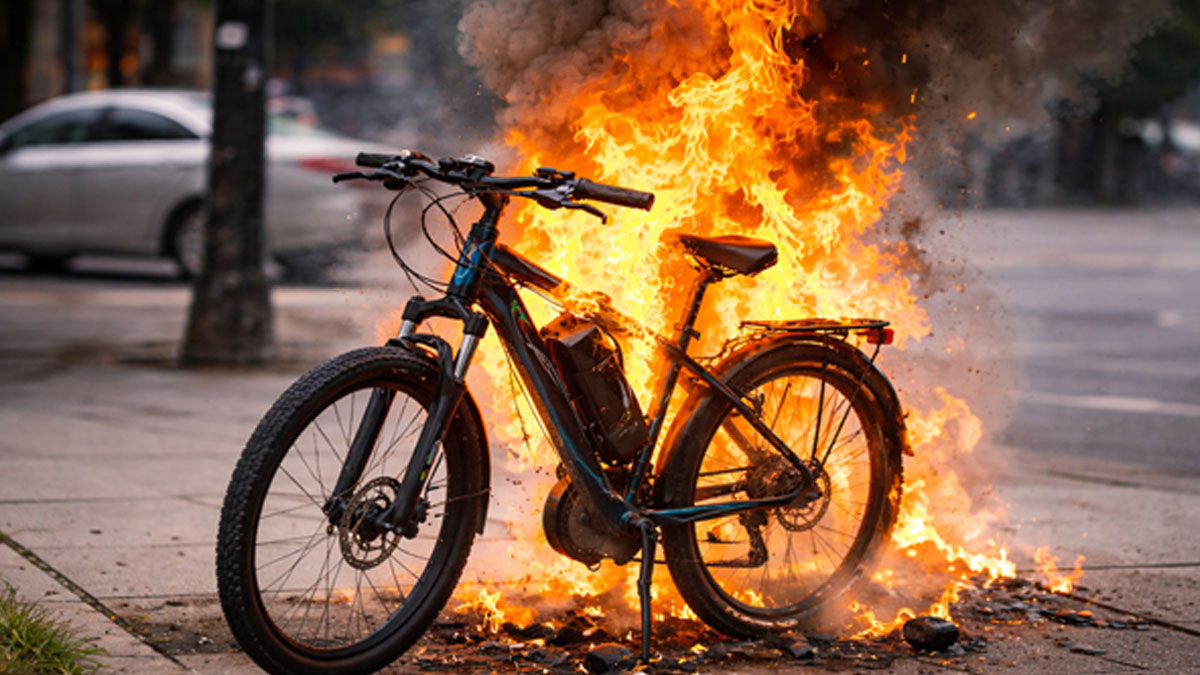
A lithium-ion battery from an e-bike ignited a fire that damaged a residence in Des Moines, according to a report from WHO13.com. The incident, which unfolded at a local home, highlights the growing concerns surrounding the safety and volatility of high-capacity battery technology in residential settings.

Investigators are determining the extent of the structural damage and the cause of the battery failure, but the event shows a pattern of increasing thermal runaway incidents involving personal electric vehicles. Lithium-ion batteries, which power everything from smartphones to large-scale e-bikes, contain high energy densities that can lead to rapid, intense fires if the internal cells are compromised by manufacturing defects, physical damage, or improper charging protocols.
The fire in Des Moines is part of a broader, documented trend of battery-related emergencies. As e-bikes and electric scooters become more common modes of urban transportation, fire departments across the United States have reported a rise in calls involving lithium-ion battery combustion. These fires are notoriously difficult to extinguish because they can undergo a process called thermal runaway, where a single cell’s failure triggers a chain reaction of heat and gas release throughout the entire battery pack.
The economic and civic stakes of these incidents extend beyond the immediate loss of property. For homeowners, a battery fire can result in total loss of residence and significant insurance complications. For municipalities, these fires demand specialized training and equipment for first responders, as standard water-based suppression methods are often insufficient to stop a chemical fire once it reaches a certain intensity.
There is a growing tension between the push for green, electric-powered micro-mobility and the regulatory frameworks required to ensure consumer safety. Proponents of e-bike adoption point to the reduction in carbon emissions and the relief of traffic congestion, while safety advocates argue that the market is currently flooded with uncertified, low-quality battery packs sold through third-party online retailers. These uncertified products often bypass the rigorous testing standards required for mainstream consumer electronics, increasing the risk of catastrophic failure.
The Des Moines incident shows the physical risks inherent in the transition to electric-based personal transport. As investigators work to determine exactly how the battery sparked, the event leaves local residents and e-bike users facing the reality of how these high-energy devices interact with the domestic environment.
Keep reading

Why 46 Golf Course Lane Offers Scenic Two-Bedroom Living
Helena Rental Markets Face New Baseline at 46 Golf Course Lane A two-bedroom apartment in Helena, Montana, has...

St. Paul’s Episcopal Church Hosts 16th Annual Holiday Bazaar
“You can’t help but feel the holiday spirit when you walk in the door,” says Juliet Slavens, event...

Colorado Avalanche debut new jerseys against Detroit Red Wings
Colorado Avalanche debut new jerseys amid offensive slump and Detroit roster turmoil The Colorado Avalanche will wrap up...

ADP Massachusetts Paycheck Calculator Estimates Net Pay
Estimating Net Pay in the Commonwealth Workers across Massachusetts can now utilize a specialized tool from ADP to...