NOAA gives El Niño a better-than-79 percent chance of staying strong to very strong through January to March 2027, with about a 60 percent chance it becomes the strongest event since 1950, OnlyInYourState reported.
The agency’s November 2026 outlook covers December through February and calls for drought to improve or end across the Southwest. A very strong El Niño tends to push the jet stream south and east, steering more storms across the southern United States and raising the odds of a wetter-than-average winter from the Southwest to the Southeast.
Past very strong El Niños did not all play out the same way in Arizona: 1997–98 brought more rain to the region, while 2015–16 turned out drier, OnlyInYourState reported. Small shifts in the storm track can send the heaviest rain and snow north or south of the state, or favor northern Arizona over southern Arizona, or the reverse.
KVOA reported that meteorologists declared a “Super” El Niño on Nov. 12, 2026, citing Pacific Ocean temperature anomalies of 3.6 degrees Fahrenheit. The station’s Meteorologist Carl Parker said the pattern will push the jet stream southward, steering more rain directly into southern Arizona throughout the winter.
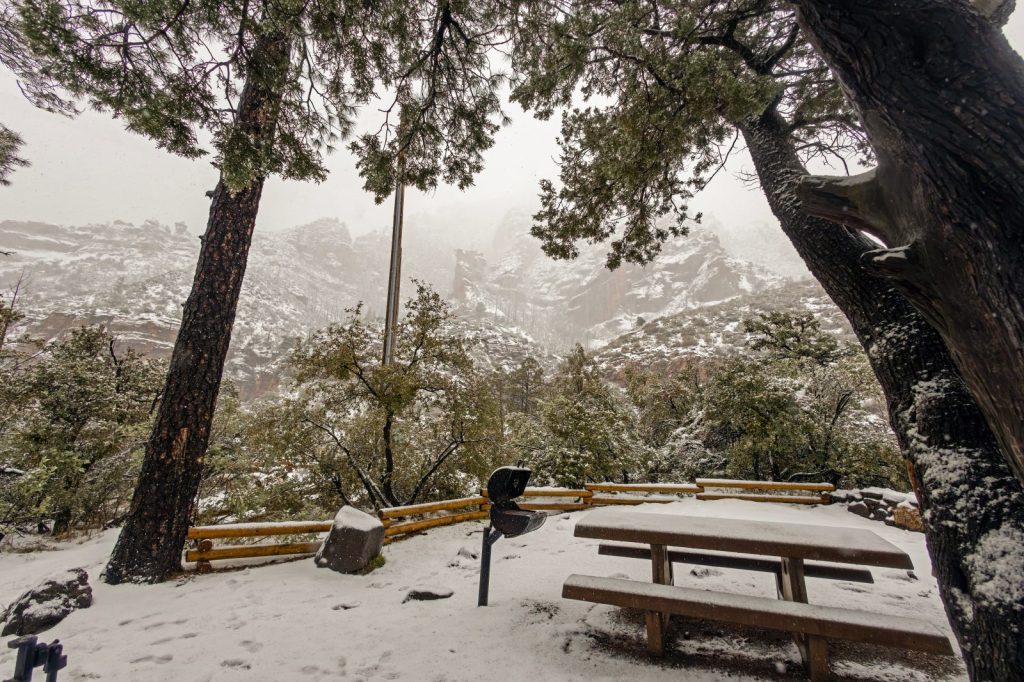
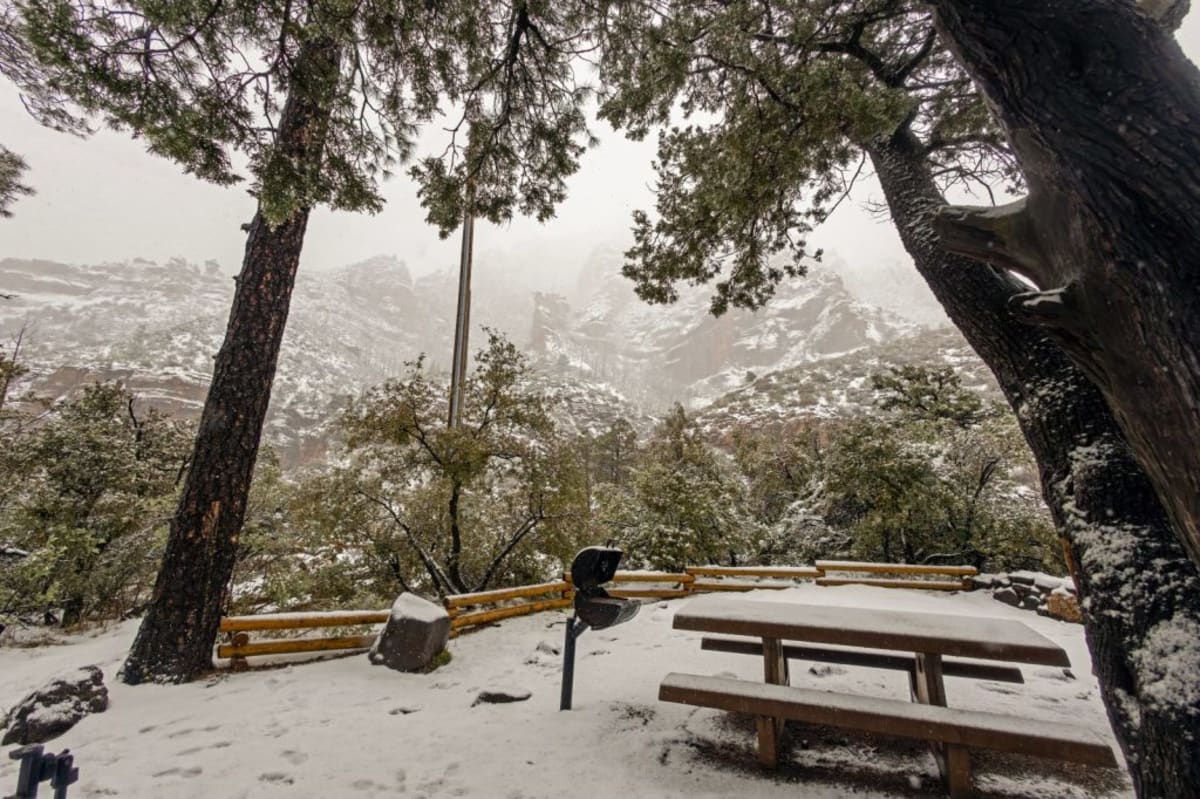
Arizona Snowbowl opened for the season in November, crediting mountain operations teams and 17 inches of pre-season snow, OnlyInYourState reported. El Niño’s peak in Arizona typically runs January through February, when more storms and mountain snow are most likely, with rain and snow potentially continuing into March and April.
Heavy rain falling on snowpack or recent wildfire burn scars makes high-running streams and local flooding more likely, OnlyInYourState reported. KVOA added that excessive rain in a short period can trigger rapid runoff, increasing flash-flood risk in washes and arroyos, while heavy rainfall in mountainous areas elevates the risk of soil erosion, mudslides, and rockslides.
A wet winter can lower fire risk in high forests but raise it at lower elevations, where extra grass grows and dries out, OnlyInYourState reported. KVOA said that increased winter moisture typically spurs rapid growth of desert brush, which becomes fuel that can significantly increase summer wildfire risk once it dries out.
NOAA updates its El Niño outlook monthly; the next monthly El Niño report and three-month winter outlook refresh are scheduled for December. The National Weather Service posts local watches and warnings as storms approach.
Keep reading

Three Brothers Lounge Proposes Sports Lounge at Former Therapy Space in West Hartford Center
Three Brothers Lounge has filed alterations and additions permit paperwork to convert a 930-square-foot therapy office at 1000...

Panamanians in Chicago Organize for Cultural Visibility
Chicago is home to a community of several hundred Panamanians, a population long obscured by a lack of...

Oregon’s Covered Bridges Need Up to $51 Million for Urgent Repairs and Stabilization
Oregon’s 50 remaining covered bridges need $16 million to $51 million in repairs after dedicated state and federal...
Rent Freeze Covers Less Than Half of Renters the Rent Guidelines Board
Rent Guidelines Board approved a 0% increase for one- and two-year leases starting October 2026, covering about 1...