Patrick Kavanagh abandoned a county final to buy an ice cream, a decision that cost Inniskeen Rovers several goals in 1931.
- Darach Ó Séaghdha marks Advent by revisiting Kavanagh’s “embarrassing capers” in The Journal.
- The poet bombed railway tracks during the War of Independence.
- Muiris ‘Kruger’ Kavanagh allegedly threw the poet into the Grand Canal over unpaid bills and a stolen bicycle.
Advent frame for a “menace”
Writing in The Journal as Advent begins, author and linguist Darach Ó Séaghdha argues the season’s traditional withdrawal from pleasure offers a useful lens for reading Patrick Kavanagh. The poet himself described the period as a time when “the dry black bread and the sugarless tea of penance will charm back the luxury of a child’s soul.”
Ó Séaghdha uses the poem to contrast modern December excess — Christmas parties, the Twelve Pubs ritual, and debates over seasonal song lyrics — with Kavanagh’s own capacity for disruption. “In his life he was, to use his own phrase, ‘too much’,” Ó Séaghdha writes. “Kavanagh couldn’t just do something or meet someone, he had to absolutely splatter it.”
Ice cream over county glory
The earliest incident dates to 1931, when a young Kavanagh lined out for Inniskeen Rovers in the Monaghan county final against Leachtain Ui Ratgaille. His father’s trade as a shoemaker gave the team a footwear advantage, but Kavanagh slipped away at half-time to buy an ice cream. The opposition exploited his absence to score “a few easy goals,” The Journal reported.
Rail sabotage hastened Donegal line closure
During the War of Independence, Kavanagh participated in bombing railway tracks crossing the border and raiding stopped trains. The Free State, impoverished by the subsequent Economic War and Emergency, could not afford repairs. Services declined until the line closed altogether in the early 1960s. “We cannot blame him for decades of underfunding in the northwest,” Ó Séaghdha says, but the sabotage hastened the end.
Canal encounter with a bodyguard
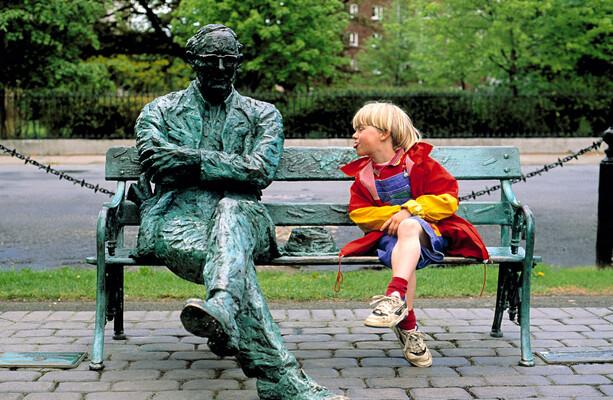
After a failed courtship of Hilda Moriarty in Dún Chaoin, Kavanagh stayed at the guesthouse of Muiris ‘Kruger’ Kavanagh, a Kerryman who had guarded both Éamon de Valera and Mae West. The poet left without paying and stole his host’s bicycle. Accounts differ on the confrontation that followed, but an enduring version holds that Kruger threw the poet into the Grand Canal — now overlooked by a statue of Kavanagh.
Cinema politics reveal Kavanagh's fascist sympathies
While W.B. Yeats distanced himself from the Blueshirts by 1932, Kavanagh remained sympathetic to fascist movements into the late 1940s. As a film critic, he objected to an American cartoon mocking the deaths of Hitler and Mussolini, calling it “an insult to human dignity.”
He complained about films portraying the Gestapo as villains and disliked Charlie Chaplin’s The Great Dictator. Antoinette Quinn’s biography asks whether Kavanagh was the notorious heckler shouting “Haw” during Allied newsreels in Dublin cinemas.

Kruger confronts poet over debts and theft
Muiris ‘Kruger’ Kavanagh discovered the poet had left his Dún Chaoin guesthouse without paying and had stolen his bicycle. The former bodyguard to Éamon de Valera and Mae West tracked Kavanagh down and threw him into the Grand Canal.
At a later Bloomsday event, Hillery approached the poet and said “you’ve had your fun, here’s a few shillings to eff off, go get a pint and leave the O’Malley’s alone”.
Ó Séaghdha frames Kavanagh through Advent lens
Author and linguist Darach Ó Séaghdha marks the start of Advent by revisiting Patrick Kavanagh’s capacity for disruption. In his column for The Journal, Ó Séaghdha notes the season’s traditional withdrawal from pleasure offers a useful lens for reading the poet, who described Advent as a time when “the dry black bread and the sugarless tea of penance will charm back the luxury of a child’s soul.”
Ó Séaghdha writes that Kavanagh “couldn’t just do something or meet someone, he had to absolutely splatter it,” quoting the poet’s line “We have tested and tasted too much, lover- Through a chink too wide there comes in no wonder.” The column contrasts modern December excess with Kavanagh’s own disruptive energy.
Bloomsday brawl and Áras sandals
Ó Séaghdha also notes Kavanagh’s appearance at the first Bloomsday walk in 1954, which ended in a drunken fistfight, and a visit to Áras an Uachtaráin in sandals displaying unclipped toenails. His hatred of the Beatles prompted a teenage letter-writing campaign demanding his dismissal.
“But it would be unfair to consider his many embarrassing capers without remembering that, as Christmas approached, he did try to lay off the hijinks for a bit,” Ó Séaghdha writes, quoting the poet’s line to “return to Doom the knowledge we stole but could not use.” Darach will be back next Sunday with more thoughts on the words and Irish cultural phenomena that unite us.
Worth a look
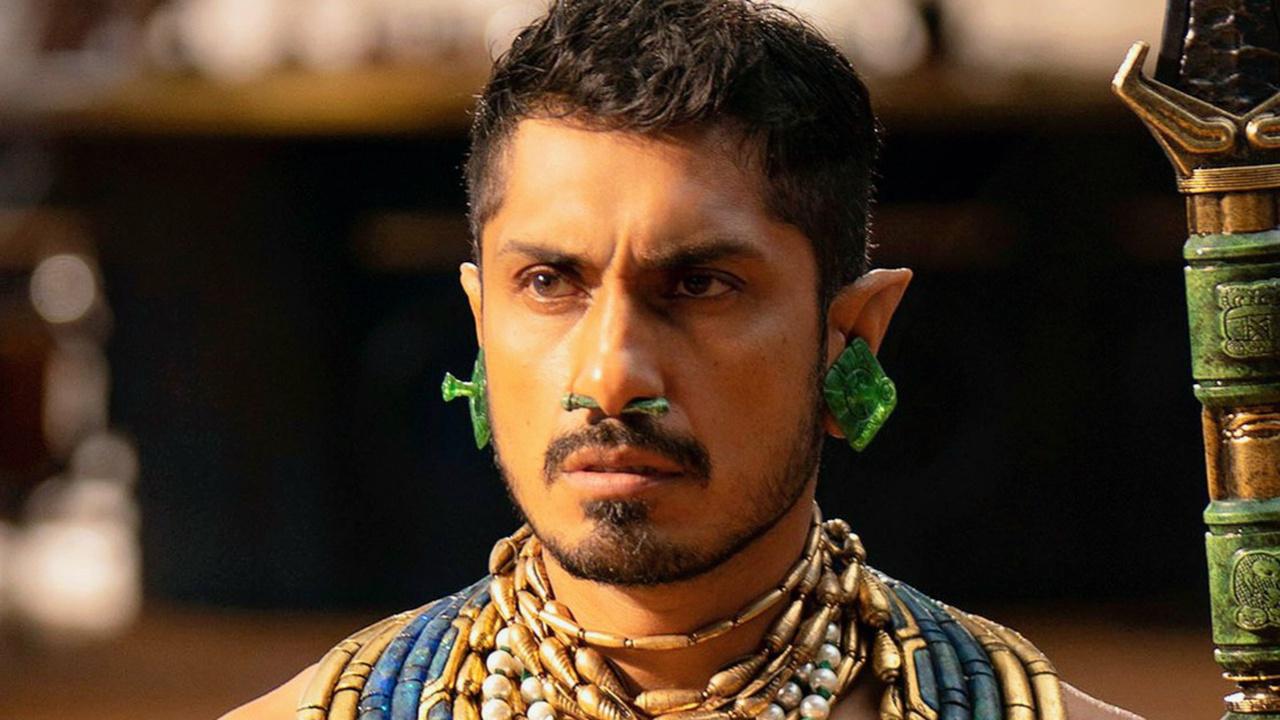
Disney Revises ‘Avengers: Doomsday’ Billing: McKellen, Stewart Get Final ‘With’ Credit
Disney has revised the cast billing order for "Avengers: Doomsday," replacing Tenoch Huerta Mejía with Ian McKellen and...

Elizabeth Debicki on Irish Heritage, Nostalgic Storytelling, and Working With Brad Pitt
Elizabeth Debicki has spoken about her Irish heritage and her experience working with Brad Pitt on The Further...

Princess of Wales Opens Up on Cancer in BBC Documentary Heal
"Cancer does change you. It changes your body. It changes you physically but there's a much, much deeper...

Emma Lau Finishes EastEnders Stint as Jess Fang, Posts Instagram Thanks
Emma Lau has finished filming her brief stint as Jess Fang on EastEnders, Digital Spy reported, closing a...