
Advocates are pressing lawmakers to allocate $100 million in state funds to STASH so that 2,000 first-generation homebuyers can become homeowners.
The STASH program in Massachusetts has helped 469 first-generation homebuyers purchase homes in six years, with nearly half of them Black and another third Hispanic, CommonWealth Beacon reported.
The STASH matched-savings program addresses a racial homeownership gap that remains among the nation’s widest: 70 percent of white households own homes versus 37 percent of Black households and 32 percent of Hispanic households. In August, the Federal Reserve Bank of Boston issued an updated report showing median net wealth of $7,800 for Black households and $1,200 for Hispanic households, compared with $550,000 for white households.
STASH reaches buyers left out of wealth creation
“These are precisely the households that have historically been left out of homeownership—and, as a result, left out of one of the most powerful engines of wealth creation in America,” said Symone Crawford. “That matters enormously in Massachusetts. And STASH is closing that gap.”

Launched in 2019 with backing from Boston Children’s Hospital and then the City of Boston, the initiative grew through ARPA state funding and, most recently, through support from The Boston Foundation Racial Wealth Gap Partnership and banks such as M&T and Wells Fargo.
The program has grown further with commitments from banks, individual donors, and municipalities. It operates alongside the combination of low interest rates and other affordability features in ONE Mortgage, and the state’s Commonwealth Builder Program, administered by MassHousing, which produces affordable homes.
Call to scale with $100 million state investment
Advocates are pressing lawmakers to allocate $100 million in state funds to STASH so that 2,000 first-generation homebuyers can become homeowners—and, simultaneously, to create a sustainable funding model that makes serving 2,000 families a year a lasting commitment of the Commonwealth. Massachusetts has an $8 billion rainy-day fund. “It has been raining hard for first-time and first-generation homebuyers,” Crawford said.

Organizers also want to revisit the $10 billion First Generation Down Payment Fund first introduced in Congress in 2021. “That is not a handout. It is an investment in families, neighborhoods and the future of Massachusetts,” Crawford said.
MassHousing administers the Commonwealth Builder Program, which provides market-based subsidies to support construction of moderately priced homes for buyers earning 70 percent to 120 percent of area median income in Boston, 26 Gateway Cities, Framingham and Randolph.
Since the program launched, the agency has committed $68.7 million to 14 projects creating 368 homeownership opportunities, including 341 affordable homes for first-time buyers. Its Homeownership Division pairs this production with mortgage financing, down payment assistance loans and mortgage insurance with job-loss protection, plus targeted marketing in Gateway Cities to reach borrowers of color.
In May 2026, the Healey administration awarded $24.5 million to expand the program, supported by $100 million in new capital authorization from the Affordable Homes Act.
“Imagine what happens if we do this year after year,” said Cathy Mercado. “Two thousand families become homeowners. Then another 2,000. And another.”

Seven Contra Costa Mayors Sign Letter Urging Vigilance After Magazine Falls From ICE Agent’s Pocket
Seven Contra Costa County mayors and dozens of other elected officials signed an open letter Monday urging residents...

Oregon Rises to No. 12 in College Football Playoff Rankings
The Oregon football team moved up one spot to No. 12 in the College Football Playoff rankings released...
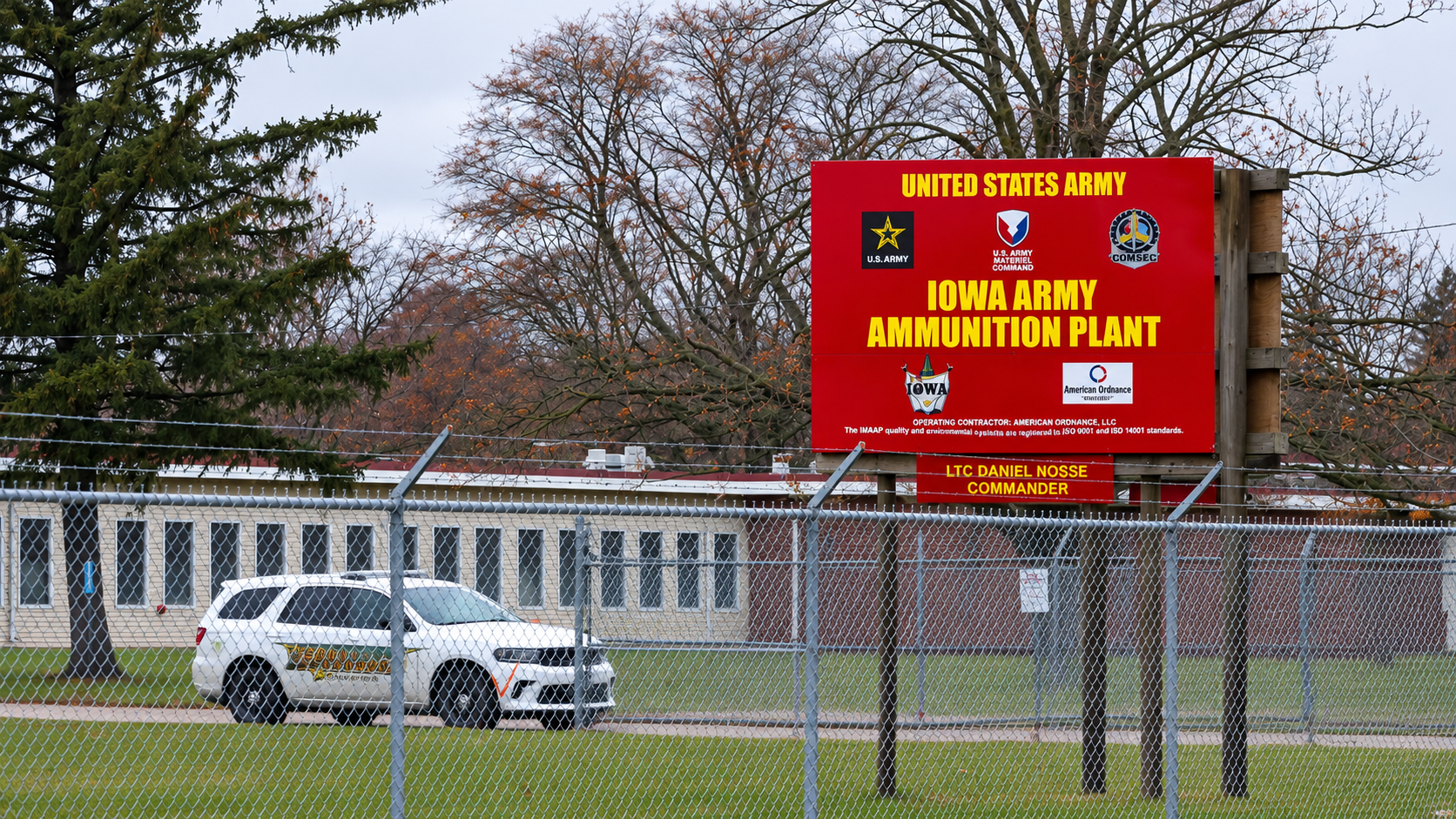
U.S. Army Plans to Detonate 5 Tons of Unstable Explosives at Iowa Plant Wednesday
The U.S. Army plans to detonate nearly five tons of unstable lead azide Wednesday morning at the Iowa...

Suspect Arrested at Minnesota Airport Before Flight to France in Omaha Daycare Stabbing Death
Omaha police arrested a homicide suspect at a Minnesota airport Tuesday evening before he could board a flight...