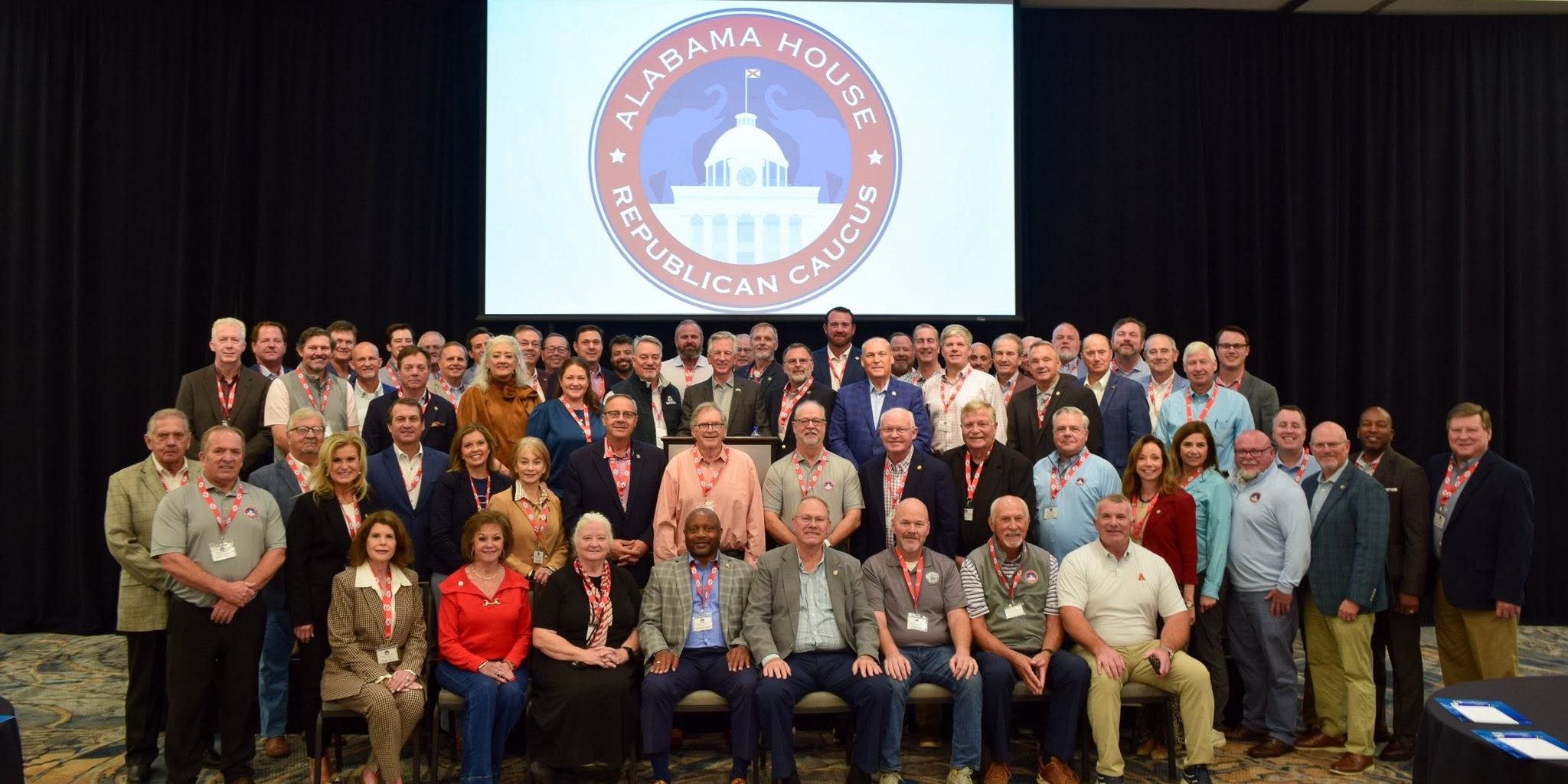
Alabama House Republicans will enter the next quadrennium holding 74 of the chamber’s 105 seats, maintaining a supermajority despite a wave of Democratic gains in other states, Yellowhammer News reported.
The Republican caucus, led by Speaker of the House Nathaniel Ledbetter (R-Rainsville), saw its seat count dip slightly from 76 to 74 following Tuesday’s midterm elections. While Alabama Republicans maintained their grip on the state legislature, Democratic majorities were erased in 12 legislative chambers across the country.
“House Republicans won 20 of 22 contested races involving incumbents and kept all five open seats previously held by Republicans,” Ledbetter said.
The election results highlight a stark divergence between Alabama’s political trajectory and that of several large states. In Texas and Georgia, the Republican hold on state houses slipped, with Democrats projected to gain 21 House seats in Texas to reach an 83-67 advantage. In Georgia, Democrats secured the House with at least 91 of 180 seats and also made gains in the state Senate.
While the Republican party won every statewide office on the ballot, including the race for governor, local shifts occurred in specific Alabama districts. Two Democrats managed to flip seats previously held by Republicans.
- Democrat Nell Brown defeated State Rep. Leigh Hulsey (R-Helena) by 526 votes in House District 15.
- Democrat Allison Montgomery defeated State Rep. Phillip Rigsby (R-Huntsville) in House District 25.
Madison County emerged as a focal point for these shifts, producing three of the five legislative seats lost by Republicans statewide. The county saw record turnout, casting 152,159 ballots. Despite the losses in specific districts, Republican incumbents Rex Reynolds (R-Huntsville) and James Lomax (R-Huntsville) held their respective seats in the county.
The razor-thin margins in several Alabama races show how competitive local contests are. Three House Republicans won their seats by fewer than 700 votes: Mike Shaw (R-Hoover) by 376, Rex Reynolds (R-Huntsville) by 676, and Mack Butler (R-Rainbow City) by 285.
The shift in power extends far beyond the borders of Alabama. The National Conference of State Legislatures identified 12 chambers that changed hands during this cycle, all of which fell under Democratic control. This movement has significantly altered the balance of power in the United States.
| State | Legislative Result |
|---|---|
| Texas | Democrats projected to gain 21 House seats (83-67); Republicans keep Senate |
| Georgia | Democrats won the House (91+ seats) and gained Senate seats |
| Arizona | Democrats took both chambers and kept the governor’s office |
| Wisconsin | Democrats took both chambers and kept the governor’s office |
| New Hampshire | Democrats took both chambers; Republican Governor Kelly Ayotte reelected |
| Alabama | House Republicans keep 74 of 105 seats; Senate Republicans keep at least 24 of 35 |
Democrats are currently on track to control 51 of the country’s 98 partisan legislative chambers, a notable increase from the 39 they held previously. The party also successfully flipped governor’s offices in Georgia, Iowa, Nevada, Ohio, and Texas, and is expected to hold at least 28 next year. Election results in Alaska and Kansas remain uncalled.
The divergence in Alabama suggests a state that remains a Republican stronghold even as neighboring Sun Belt states like Texas and Georgia experience more volatile shifts in legislative control. While the national trend points toward increased Democratic influence in statehouses, Alabama’s supermajority remains intact.
U.S. Senator Tommy Tuberville (R-Auburn) led the Republican performance in the statewide office races.

Chicago SWAT Incident Ends Peacefully in Park Manor Neighborhood
Chicago police officers responded to an active SWAT situation on the city's South Side Wednesday morning. The incident...

Georgia Takes No. 1 in New College Football Playoff Rankings
Georgia reclaimed the top spot in the College Football Playoff rankings on Tuesday night as the postseason approaches....
Delaware Voters File Lawsuit to Challenge 435-Seat House Limit and Seek Second Seat
Delaware voters are suing the federal government to secure a second seat in the U.S. House of Representatives,...
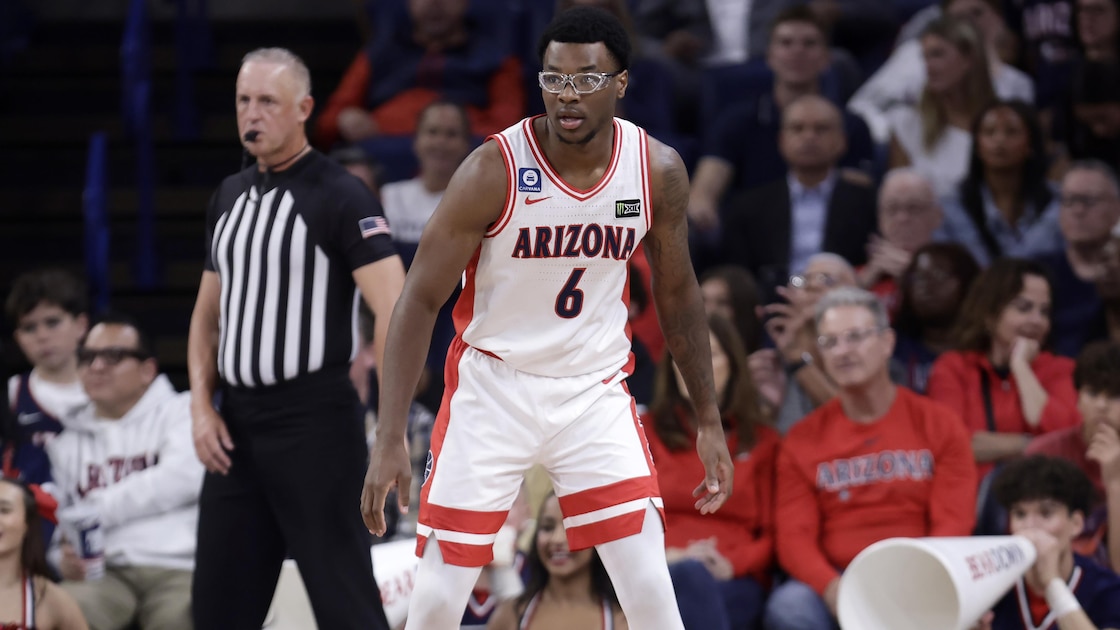
Arizona Beats Northern Arizona 90-59 in Bryce James’ Third Appearance
Arizona cruised to a 90-59 victory over Northern Arizona on Tuesday night, a blowout that saw Bryce James...