Alabama wildlife officials estimate the state holds roughly 70,000 American alligators, and a new World Atlas ranking identifies six rivers where the reptiles concentrate most heavily.
The list, reported by the Montgomery Advertiser, spans the expected southern wetlands and the Tennessee River in the north, where alligators have spread farther than many residents realize. Yahoo News carried the same World Atlas summary.
World Atlas names the Alabama River, a 318-mile waterway with tributaries and backwaters in the south; the Perdido River, a 60- to 65-mile blackwater river on the Florida border; the Mobile River, a 45-mile stretch flowing into Mobile Bay; the Tensaw River, a 41-mile channel inside the Mobile-Tensaw Delta; the Conecuh River, a 230-mile river running from southeast Alabama into Florida; and the Tennessee River, a 652-mile system crossing northern Alabama.
The Mobile-Tensaw Delta covers about 260,000 acres of cypress swamps, lakes and wetlands, creating what World Atlas calls a particularly notable habitat. The Conecuh River supports 84 species of freshwater fish, giving alligators a deep food base.
The largest documented Alabama alligator came from the Alabama River near Millers Ferry in Wilcox County. In August 2014, Mandy Stokes and her family captured an animal weighing 1,011.5 pounds and measuring 15 feet, 9 inches. World Atlas also notes a 13-foot-7-inch, 620-pound gator from the Alabama River and a 12-foot-3.5-inch, 518-pound animal taken from the Mobile River in 2023. A separate 12-foot-9-inch, 524-pound alligator was caught in Mobile Bay.

Alligators do not leave their habitats in winter. They enter brumation, a dormant state that slows metabolism and reduces feeding. They shelter in underwater dens, muddy banks and burrows, emerging on warmer days, especially in southern Alabama.
Activity resumes as temperatures rise in spring.
Outdoor Alabama advises never feeding alligators, keeping pets away from water edges and staying alert near freshwater between dusk and dawn. Attacks on humans are rare, but animals can become aggressive if fed, harassed or cornered.
Worth a look
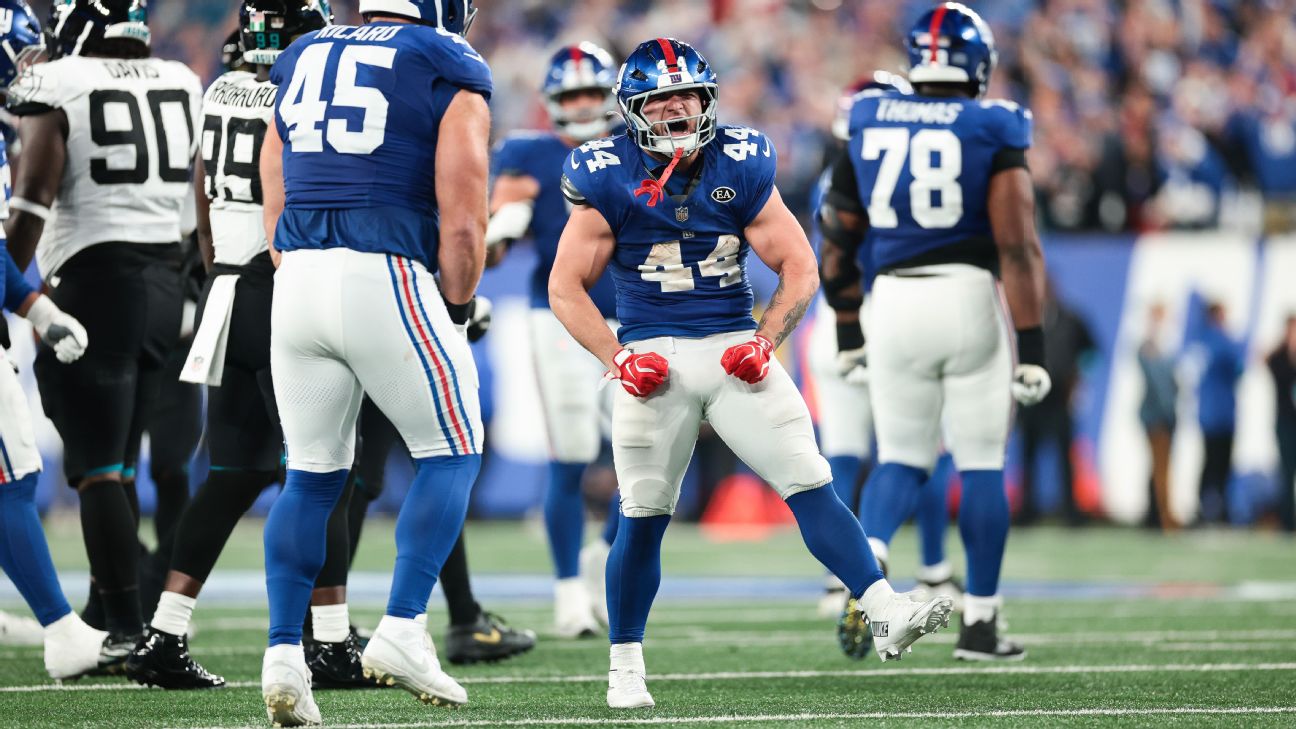
Giants Keep Cam Skattebo as Lead Back After Failed Jonathan Taylor Trade
Cam Skattebo iced the Giants’ win over Jacksonville on Sunday with three carries for 12 yards and a...

Wilsonville Wins 5A Football Title Over West Albany 34-24
Wilsonville rallied from an 11-point deficit to beat West Albany 34-24 for the Class 5A state football championship...

Chiefs Cut Nikko Remigio; Wife Details Chaotic 24-Hour Move to Texans
"I really want to make you guys understand how quick everything happens," Maureen Remigio said in an Instagram...

Wisconsin Routs Minnesota 28-5 to Reclaim Axe, Even Rivalry at 64-64-8
Wisconsin reclaimed Paul Bunyan's Axe and even the most-played rivalry in the Football Bowl Subdivision at 64-64-8 with...