
Alaska’s busiest commuter corridor averages nearly 19 documented wildlife crashes a year, a toll that has left one person dead and six seriously injured since 2013, Anchorage Daily News reported.
The state Department of Transportation and Public Facilities is now collecting near-miss reports through January to map where moose actually cross the 35-mile stretch of the Glenn Highway between Airport Heights Drive in Anchorage and the Glenn–Parks Highway Interchange near Wasilla and Palmer.
The study is largely funded by a $630,000 federal grant from the U.S. Department of Transportation’s Wildlife Crossings Pilot Program, awarded in 2025, with a 10% state match.
“You’re slowing down, trying to get out of their way,” said Mark Eisenman, an Anchorage-area planner for the department, describing his own encounter last summer with a cow and calf near Eagle River. “They’re obviously agitated with traffic and trying to cross over four lanes with a divider and a big median in the middle, and it gets your heart pumping.”

Between 2013 and 2025 the department documented about 270 wildlife-vehicle collisions in the study area involving about 250 moose, 15 bears and two wolves, according to figures in the transportation department report. Over the nearly 40-year period from 1988 to 2025, the agency recorded more than 1,200 wildlife collisions, with moose accounting for more than 90% of the crashes as the animals move between seasonal habitats such as the Chugach Mountains and the Palmer Hay Flats Game Refuge.
The average cost of a crash that leads to a serious injury exceeds $700,000 when medical care and lost wages are factored in, Eisenman said. He added that collision data is often underreported because near-misses and minor crashes with minimal damage rarely get recorded.
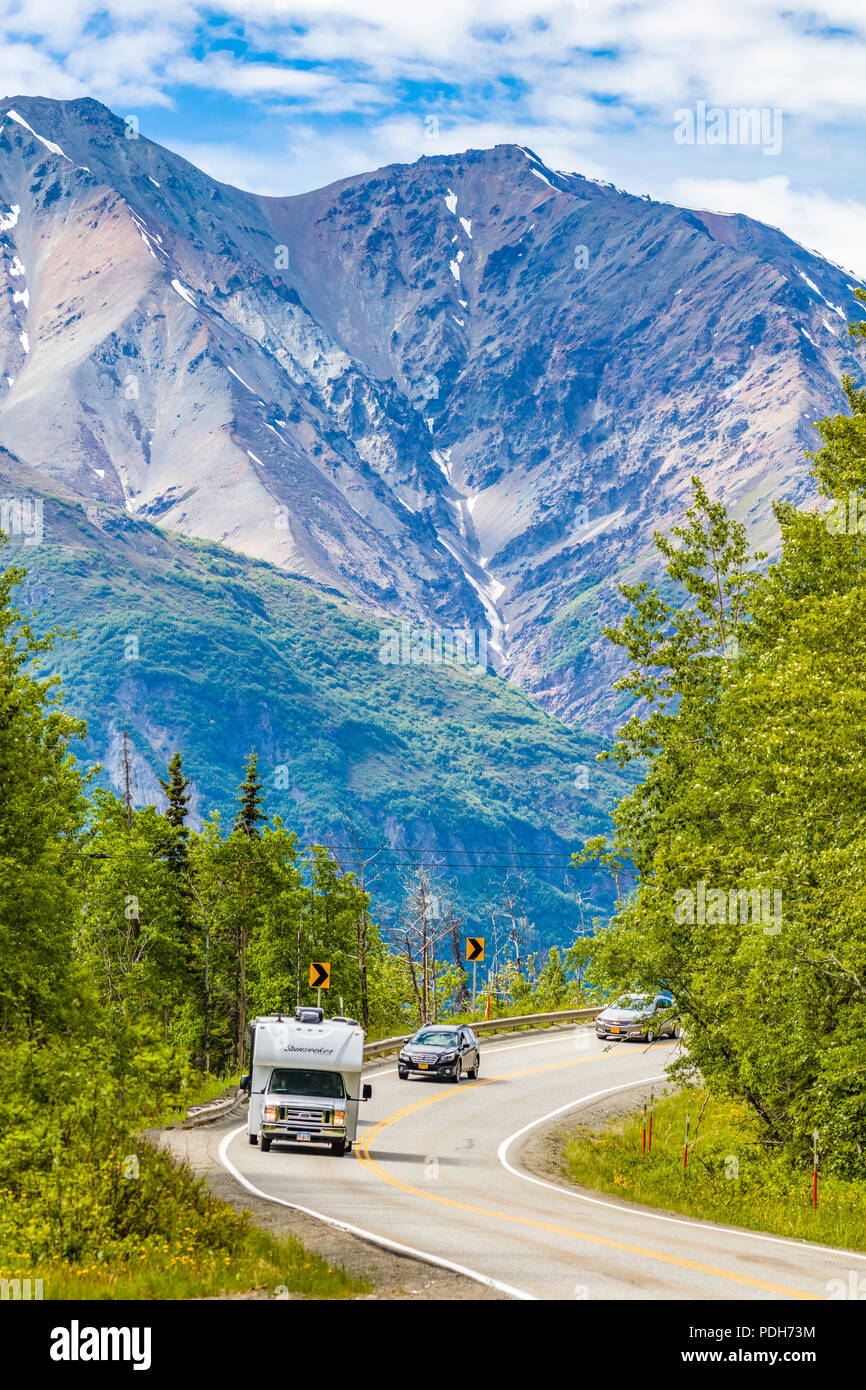
One of the main goals of the project is to explore the feasibility and a possible location for a wildlife crossing — a bridge over or tunnel under the highway. The state is also considering new lighting and fencing. Nothing on the scale of California’s Wallis Annenberg crossing, which spans 10 lanes and an access road at a cost of more than $100 million, has been built in Alaska, Eisenman said.
In the 1980s the department raised the Ship Creek Bridge near the Arctic Valley turnoff to accommodate moose, but the clearance is low and the underpass often ices over. On the Kenai Peninsula, eight wildlife crossings are under construction as part of the Cooper Landing bypass project along the Sterling Highway.
A final report with recommendations is due at the end of 2028, and the state would need to seek additional funding to build any projects that emerge.
Worth a look
Timbers Rally From Two Goals Down, Fall to FC Dallas in Penalty Shootout in Playoff Sweep
FC Dallas eliminated the Portland Timbers from the MLS Cup playoffs on Saturday with a 5-3 penalty shootout...

ASU Basketball Returns Home to Face Montana After Two SEC Losses
Arizona State has lost two straight to SEC opponents and returns home Monday to face Montana, a team...

Tommy Lee Jones Returns to San Saba, Texas, on 6,000-Acre Ranch
Tommy Lee Jones, 80, returned to his San Saba, Texas, birthplace with his wife, Dawn Laurel-Jones, 62, to...
WV MetroNews: West Virginia Fires Defensive Coordinator Zac Alley, Entire Staff
West Virginia fired defensive coordinator Zac Alley and his entire staff Sunday after a 5-7 season that ended...