
“Not reasonable,” ruled a Superior Court judge on Wednesday regarding a request by Democratic U.S. Senate candidate Mary Peltola’s campaign for a list of rejected absentee voters.
Judge Thomas Matthews issued the decision as Alaska election officials work to count ballots from last week's election under tight deadlines. The contest between Peltola and two-term Republican Senator Dan Sullivan remains the only Senate race in the country that is too early to call, according to reporting from the Associated Press.
The legal dispute centers on whether the campaign should have centralized access to data concerning absentee ballots that were not counted. While the campaign argued this information is a matter of public record, state officials maintained that providing such a list would compromise voter privacy.
The stakes for this decision are high given the specific mechanics of Alaska’s election process. Because the state accepts ballots from overseas voters for up to 15 days following a general election, the final deadline to receive those votes is November 18. That same date serves as the Division of Elections’ target for completing ranked vote tabulations if no candidate secures more than 50% of the first-choice votes.
Attorneys for the Peltola campaign filed suit against state election officials to obtain the list of rejected absentee ballots and the specific reasons for those rejections. They argued the move was necessary to ensure all qualified voters have their ballots counted. However, the state countered that the requested documents are not public records.
In a court filing, state attorneys described the daily reports generated by the division as “ephemeral working documents that are not meant for preservation” and noted they contain confidential information, according to the Associated Press.
The campaign had previously been able to utilize existing oversight mechanisms. Absentee review boards meet at regional offices of the Division of Elections, where campaigns and political parties can station observers to monitor the process. State law allows for the challenging of absentee ballots if there is “good reason to suspect” a voter is ineligible, but the campaign sought a more streamlined, centralized way to access the data.
Abha Khanna, an attorney for Peltola’s campaign, told the Associated Press on Tuesday that the campaign had no intention of disrupting the ongoing count.
“As far as we can tell, the absentee ballot review process is going incredibly smoothly and we plan to keep it that way,” Khanna said.
Despite the campaign’s stated confidence in the process, the legal push highlighted the tension between campaign oversight and the protection of personal data. Michaela Thompson, who oversees the absentee ballot review boards for the division, addressed these concerns in an affidavit.
She noted that while the versions of reports provided to observers do not contain as much confidential information, they do include home addresses that many voters prefer to keep private.
To mitigate these risks, Thompson stated that observers must sign confidentiality agreements that prohibit them from keeping, copying, or recording any information found within the reports.
As the November 18 deadline approaches, the focus remains on the tabulation of ranked votes and the arrival of overseas ballots. The outcome of the Senate race continues to hinge on these final counts as the state works to meet its target for a definitive result.
Keep reading

New Medicaid Rules in Kentucky Could Cause Thousands to Lose Coverage
Thousands of Kentuckians face the loss of health insurance as new federal and state mandates tighten eligibility requirements...

Wichita State Announces 2027 Shocker Sports Hall of Fame Inductees
Five standout athletes have been named to the 2027 Wichita State Pizza Hut Shocker Sports Hall of Fame,...
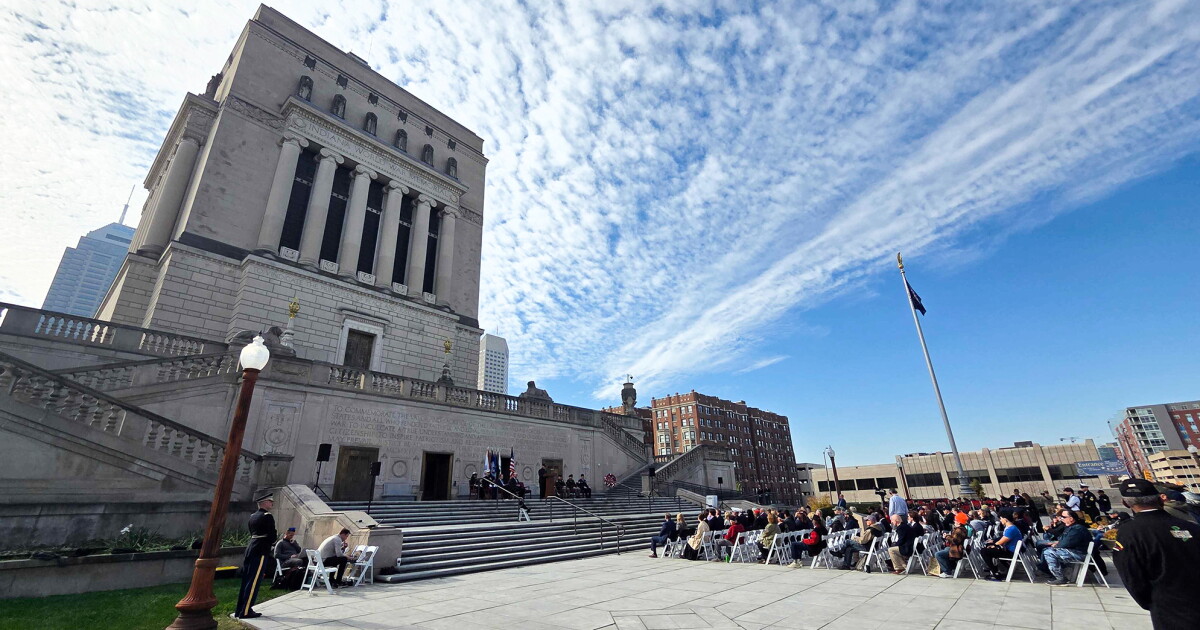
Indiana Leaders Gather at War Memorial to Commemorate Veterans Day
More than 100 people gathered at the Indiana War Memorial on Wednesday morning to commemorate Veterans Day. Local...

Springfield Celebrates Veterans Day With Annual Parade and Ceremony
Veterans and community members filled the streets of Springfield on Wednesday morning for the city's annual Veterans Day...