
“We don’t like to be just in time when we’re planning for gas supply, but this is just in time,” said Enstar Natural Gas President John Sims, after the Regulatory Commission of Alaska approved a gas exchange agreement in late October that eases immediate supply fears for Southcentral Alaska this winter.
The deal among Enstar, Matanuska Electric Association and Hilcorp allows Enstar to buy about 1.2 billion cubic feet of natural gas from MEA’s storage. In exchange, Enstar must deliver an equivalent amount back to MEA by the end of March 2028, according to the RCA approval reported by Alaska Public Media.
The agreement lifts Enstar’s projected storage to about 5 billion cubic feet by the end of December, still short of the utility’s 6-to-7-billion-cubic-foot target but a significant improvement, Sims said. Enstar supplies gas to roughly 150,000 customers in Southcentral. Earlier this year, the company warned it might fall short for 18 days this winter if Cook Inlet deliveries did not increase, the Anchorage Daily News reported.
“This 1.2 Bcf that we’re getting from Matanuska Electric is huge for ensuring that we have gas in storage for this upcoming winter,” Sims said. He added the utility “still isn’t comfortable” and hopes to secure another 2 billion cubic feet for storage.
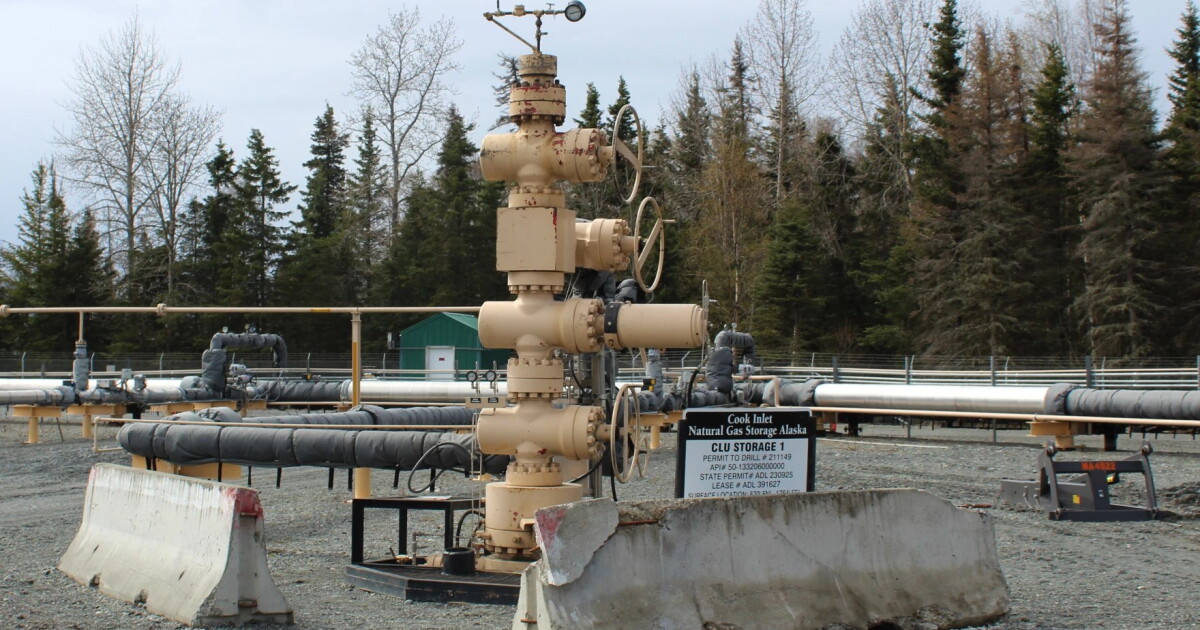
Warmer-than-average fall weather has also helped Enstar sock away more gas, but Sims cautioned that a repeat of last year’s colder-than-normal winter would renew the risk of shortfalls. “If we have a winter like we had last year, those challenges still exist,” he said. “What we were short was based on temperatures for a normal winter, but if we have another winter like we had last year, we’re going to be in a challenging position.”
MEA, which serves about 60,000 members, said the deal will not affect its ability to generate power or provide gas, and predicts it will save customers about $2 million between 2027 and 2029, Alaska Public Media reported.
MEA Chief Strategy Officer Julie Estey said the utility entered the agreement to preserve overall grid reliability because all Railbelt utilities share one interconnected system; a supply shortfall at one utility drops pressure across the network. MEA also signed a second agreement this month allowing Enstar to find and negotiate gas supplies on MEA’s behalf to prepare for post-2029 demand, Estey told Alaska Expres.
Long-term solutions remain years away. The Railbelt currently uses roughly 70 billion cubic feet of Cook Inlet gas annually, but production in the aging basin continues to decline. Hilcorp first warned utilities in 2022 it might not renew contracts as output wanes. Chugach Electric and MEA gas contracts end in 2028; Enstar’s contract with Hilcorp runs to 2033.
Potential long-term options include the Alaska LNG megaproject — an 800-mile line to bring North Slope gas to the Kenai Peninsula — and multiple LNG import terminal proposals, none of which have firm construction timelines. Renewable proposals lack the scale and cost-effectiveness to meet current Railbelt needs, the Anchorage Daily News reported.

Hilcorp Warns of Declining Well Output
Hilcorp senior vice president for Alaska Luke Saugier told Alaska Public Media earlier this month that every well the company drills now finds significantly less gas than in the past and that volume runs off very quickly. He said the company is operating at the highest activity levels it has ever had because of that decline.
Second Agreement Covers Post-2029 Supply Search
Chief Strategy Officer Julie Estey told Alaska Expres the goal is to prepare the utility to meet demand after 2029 when it has not yet identified a source.
Estey said MEA generators can burn diesel as a lever of last resort, but the fuel’s high cost and global supply chain make it undesirable. “That uncertainty is definitely a problem for progress,” Estey said.
Sims said he is looking to smaller Cook Inlet producers HEX Operating and BlueCrest Energy to boost supply. HEX is drilling additional wells expected to increase production in 2027, and BlueCrest said in September it had secured financing to advance drilling on the Kenai Peninsula, Alaska Expres reported.

49ers vs Vikings: NFC’s Top Seed Effectively on Line in Mexico City
The San Francisco 49ers and Minnesota Vikings meet Sunday at Estadio Banorte with the NFC’s top seed effectively...
Wyoming Dominates Duquesne 79-61 Behind Meyer’s 20 Points, 10 Rebounds
Wyoming routed Duquesne 79–61 on Saturday in a non-conference game, pulling away after a tight first half behind...
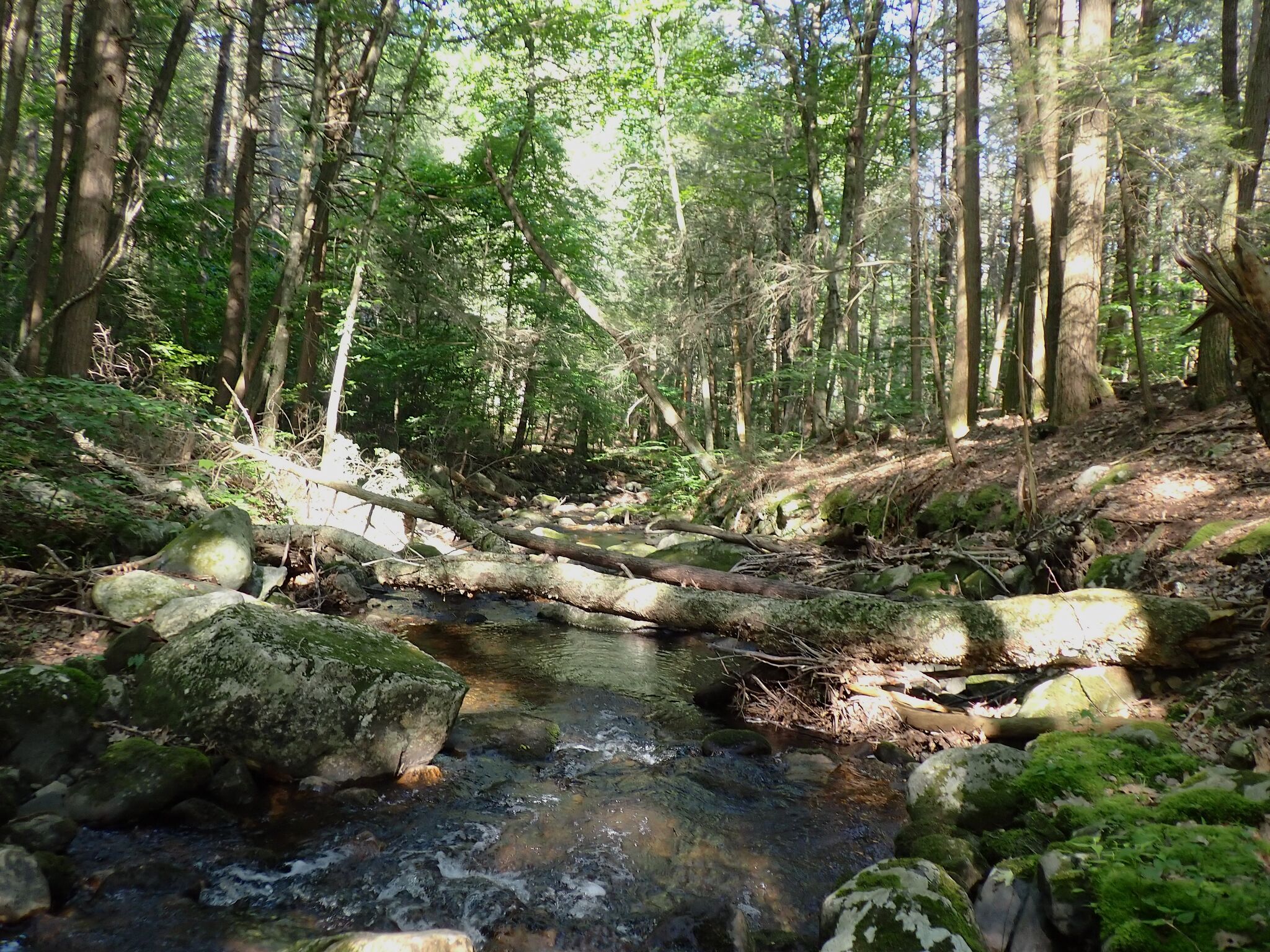
Researchers Find Major Lichen Community Change in Connecticut Forest
"We don't really know how long they have been there because, in theory, they could have been there...

Wingate Hands Columbus State First Loss 84-73 in Anderson Classic
Columbus State absorbed its first loss of the season Sunday, dropping an 84–73 decision to unbeaten Wingate at...