
Albany and Dougherty County officials are weighing a proposal to install new government emblems within their shared chambers, a move that has ignited a debate over fiscal priorities during a period of local economic strain.
The proposal, introduced by Albany Ward 5 Commissioner Colette Jenkins, seeks to place official city and county logos inside the government meeting space. Jenkins, who brought the vision to both the City Commission’s annual retreat and a subsequent Dougherty County Commission meeting, argued that the additions are long overdue.
“This building has been here at least since the 90s. And there was never, at least the city or the county official logo, placed inside the chamber,” Jenkins told WALB. “I think it’s necessary because I want our communities to have community pride when they come into this building.”
The push for new emblems has met resistance from residents who question the timing of such an expenditure. While the final cost of the project remains undetermined, the potential for taxpayer funds to be diverted toward interior design has drawn sharp criticism on social media and from local citizens.
Burton Newcomb, an Albany resident who has actively campaigned against the proposal, argues that the city and county should prioritize core municipal functions over aesthetic upgrades.

“I feel like currently, that’s an expense we don’t need to take on,” Newcomb told WALB. “And I feel like there’s better places to put that money to work. And once we get a more balanced budget, then we can spend some money on emblems.”
Newcomb emphasized that the local government’s focus should remain on pressing issues such as job creation, crime reduction, and improvements to the education system.
The controversy was compounded by the use of AI-generated imagery to visualize the proposed emblems. Jenkins presented these digital mock-ups to the county commission, but the images were met with skepticism from the public.
Residents like Newcomb have pointed to the AI-generated designs as evidence that the project lacks the necessary local touch or professional rigor. In response to the backlash, Jenkins clarified that the images were merely conceptual tools and that she intends to involve a local artist in the actual design process should the project move forward.
“I do hear you, I see you, and I understand,” Jenkins told WALB, acknowledging the public’s concerns regarding spending priorities. Currently, the commission is exploring various materials and cost-effective options to minimize the financial impact on the community.
The proposal is slated for further consideration by the county commission in the coming weeks. Should the measure receive approval, the city and county plan to initiate a joint bid process to design and install the final pieces.
The outcome of this debate highlights a recurring tension in local governance: the desire to foster a sense of civic identity versus the immediate, practical needs of the taxpayer. As the Dougherty County Commission prepares for upcoming discussions, the question of whether an aesthetic project can be reconciled with a tight budget remains open.
Related reading

Tennessee Constitutional Amendments and the Case for Brevity
Tennessee voters expanded the state constitution by 442 words this month through three successful amendments. The changes, which...

Tyrese Maxey Leads 76ers to 123-112 Victory Over Toronto Raptors
Tyrese Maxey scored 27 points to lead the Philadelphia 76ers to a 123-112 victory over the Toronto Raptors...

Margo Specializes in Complex Commercial Litigation in Cincinnati
Margo S. Robinson focuses her complex commercial litigation practice at the Porter Wright Morris & Arthur LLP Cincinnati...
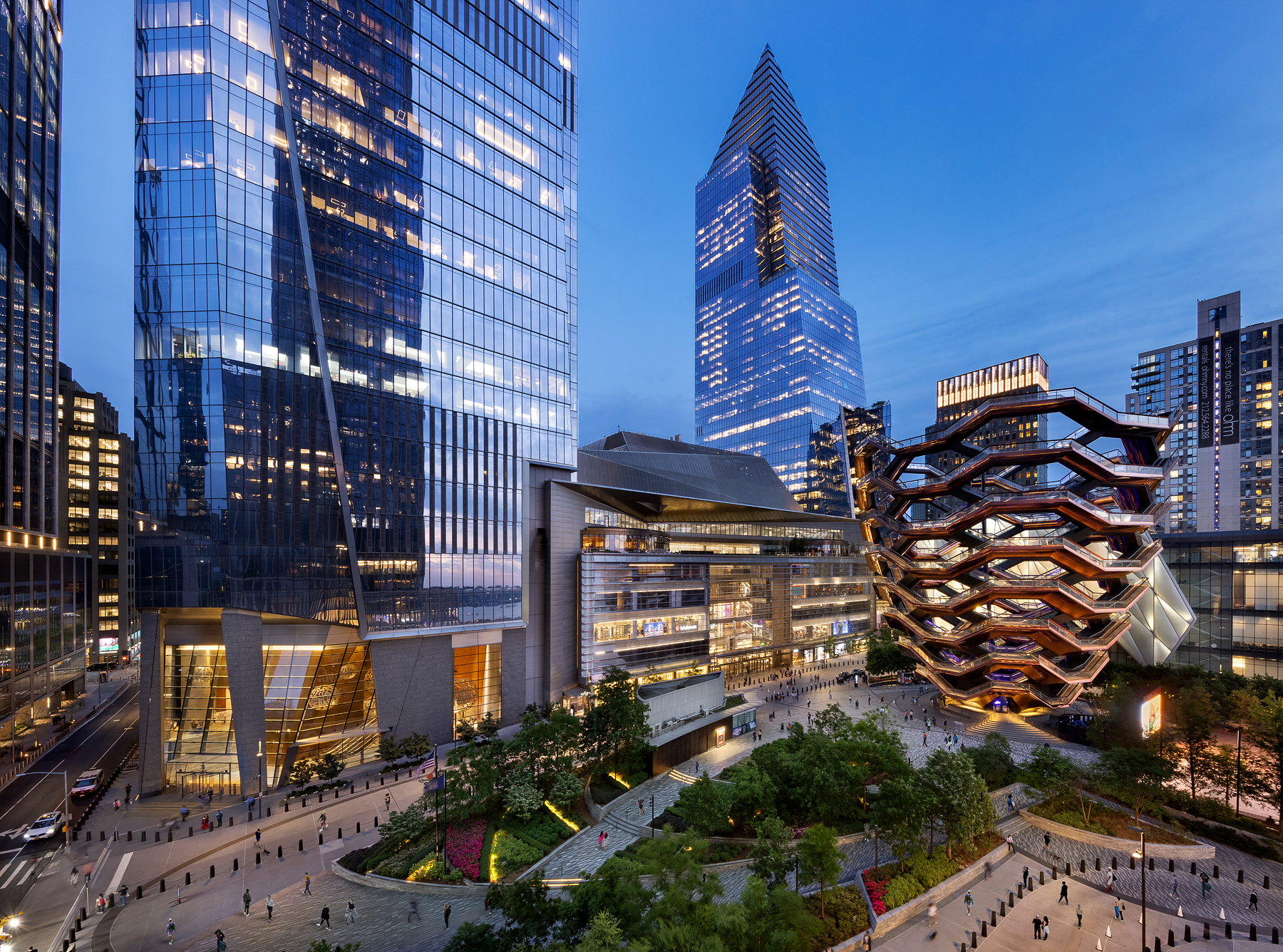
Transit Options to Reach Hudson Yards via Subway, Bus and Rail
To reach Hudson Yards, the most direct method is taking the MTA 7-train to the 34th Street–Hudson Yards...