
Albany’s average winter temperature has risen 6.1 degrees Fahrenheit since 1970, a Climate Central analysis released November 18, 2026 shows.
Winter 2023–24 became the warmest on record at the Albany airport site, averaging 33.8 degrees from December through February. That surpassed the 33.4-degree mark set in 2015–16, and the third, fourth, and fifth warmest winters have all occurred since the 2001–02 season. The nine consecutive winters preceding 2024–25 were all warmer than the 1991–2020 normal. The two most recent winters bucked that run: winter 2024–25 averaged 26.2 degrees, one degree below the current normal, and winter 2025–26 averaged 23.5 degrees, 3.7 degrees below normal. Nationally, winter temperatures have increased in 99 percent of the 244 major U.S. cities analyzed since 1970, with an average rise of 3.9 degrees. The Upper Midwest leads at 5.2 degrees, followed by the Northeast at 4.3 degrees, the Ohio Valley at 4.2 degrees, and Alaska at 4.1 degrees. Burlington, Vermont, tops the city list at 7.7 degrees, with Milwaukee at 7.0 degrees, Green Bay at 6.7 degrees, Waterloo, Iowa at 6.6 degrees, Chattanooga, Tennessee at 6.5 degrees, and Albany, Georgia at 6.4 degrees. Climate Central attributed the dominant share of warming to human-caused climate change in 236 of the 244 cities, and found it could account for all observed warming in 112 cities. Albany now sees an average of 20 more winter days above the 1991–2020 normal than it did in 1970.
During the record-warm winter of 2023–24, the city logged 69 above-normal days, the most on record. At the cold extreme, Albany has not recorded a temperature of -20 degrees or lower since January 27, 1994, when it reached -23 degrees. Zero-degree readings have also grown rare; winter 2023–24 had none, a feat that had occurred only seven times in the station’s history, six of them since 2000. The cold season is contracting. Across 195 U.S. cities, the period of consistently cold conditions has shortened by about nine days on average.
In the Capital Region, there are now 11 fewer days per winter with a daily mean temperature below 30.9 degrees. Warmer winters shift precipitation from snow to rain in areas near freezing, reducing snow cover duration. That affects the multi-billion-dollar winter recreation industry, spring water supplies from mountain snowpack, heating demand, and agricultural chilling requirements for fruit and nut crops.
Earlier thaws and later freezes also lengthen the pollen season and expand the window for disease-carrying insects; Climate Central previously found 95 percent of major U.S. cities have gained an average of 18 additional days suitable for West Nile virus transmission since the early 1970s.
Worth a look
- Shelbourne Hotel Operator Posts €54.8m Revenue in First Full Year Under New Ownership
- Gov. Spanberger Welcomes Award-Winning Virginia Christmas Trees, Wreaths to Executive Mansion
- Inflation Since October 2024 Adds About $4,720 a Year to Household Costs (daybreakwire.com)
- COP31 climate summit collapses in Antalya after failing to reach consensus (newsarchyuk.com)

Shelbourne Hotel Operator Posts €54.8m Revenue in First Full Year Under New Ownership
The operator of the five-star Shelbourne Hotel on Dublin’s St Stephen’s Green recorded operating profits of €6.88 million...
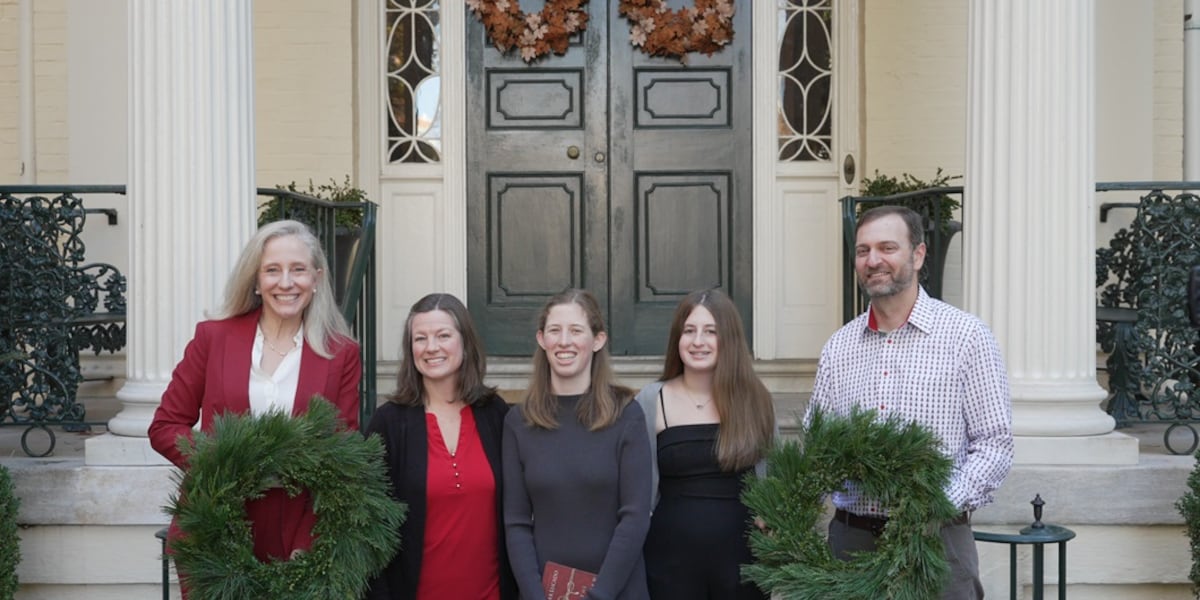
Gov. Spanberger Welcomes Award-Winning Virginia Christmas Trees, Wreaths to Executive Mansion
Governor Abigail Spanberger welcomed award-winning Virginia-grown Christmas trees and wreaths to the Executive Mansion on Monday, WDBJ7 reported....
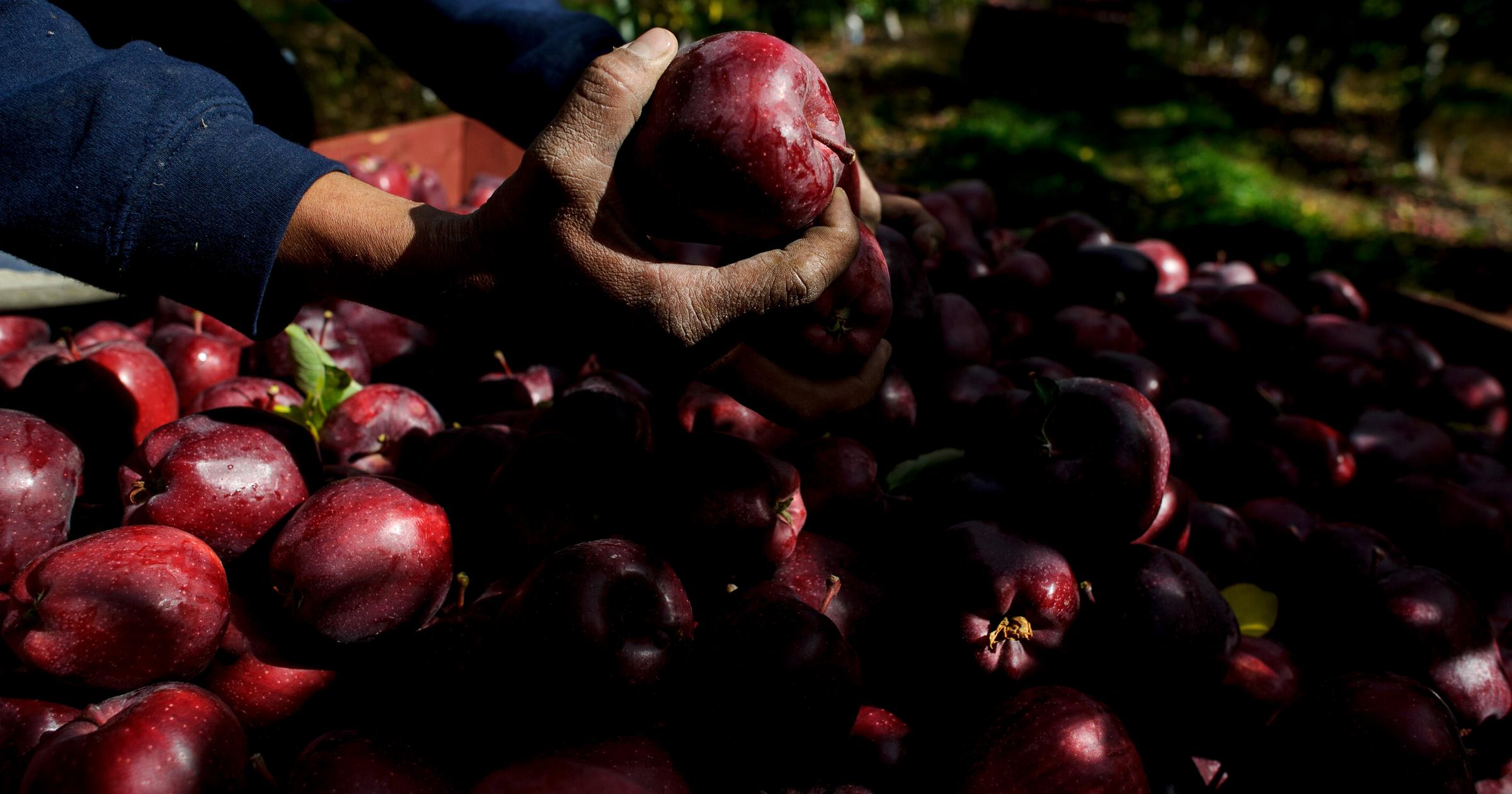
Washington Pension Board Committed $537.5M to IFC for Apple Orchard Rollup, 2014-2018
International Farming Corp. has used state pension funds to acquire at least five Washington apple orchards since 2014....

Fiery I-25 Crash Near Wyoming Border Sends 5 to Hospital; Teen Airlifted in Critical Condition
A fiery two-vehicle crash on northbound Interstate 25 near the Wyoming border sent five people to hospitals Sunday...