Albertsons Ordered to Pay Washington $900 Million in Opioid Ruling
On Thursday, Nov. 5, a King County Superior Court judge ruled that Albertsons must pay Washington State $900 million for its role in fueling the opioid epidemic, MyBellinghamNow.com reported. The decision, handed down by Judge Janet Helson after a nearly two-month trial, comes after the state proved that Albertsons-owned pharmacies dispensed more than 641 million opioid pills between 2006 and 2022, with prescriptions containing red flags that were never properly investigated.
This is a victory for the people of Washington, Washington State Attorney General Nick Brown said in a news release. When giant corporations put profits above safety, they will be held accountable. The verdict can’t undo the devastating harms of the opioid crisis, but it will provide desperately needed resources to support treatment and prevent future crises.
The financial weight of the crisis is staggering. The $900 million judgment, which will fund treatment and prevention resources at both state and local levels, is one of the largest penalties levied against a pharmacy chain in the nation’s ongoing battle against opioid misuse.
The Human Toll Behind the Numbers
Each of those 641 million pills dispensed by Albertsons pharmacies represents a potential point of failure in the system designed to protect patients. The state’s case demonstrated a clear pattern: the majority of those prescriptions carried red flags—such as being written by a single prescriber for an unusually high number of patients, or involving doses far exceeding medical guidelines. Yet, the company’s pharmacists and systems failed to intervene, effectively becoming a pipeline for the drugs that fueled addiction and devastation across communities.
This isn’t just a legal battle; it’s a story of real people and real costs. For the family of a 41-year-old father in Spokane who died of an overdose in 2021, the ruling brings a sense of accountability, though no amount of money can replace a lost loved one. For the communities grappling with the rise in homelessness, crime, and overwhelmed emergency services linked to the crisis, the funds are a critical lifeline for rebuilding.
This verdict can’t undo the devastating harms of the opioid crisis, but it will provide desperately needed resources to support treatment and prevent future crises.
Washington State Attorney General Nick Brown
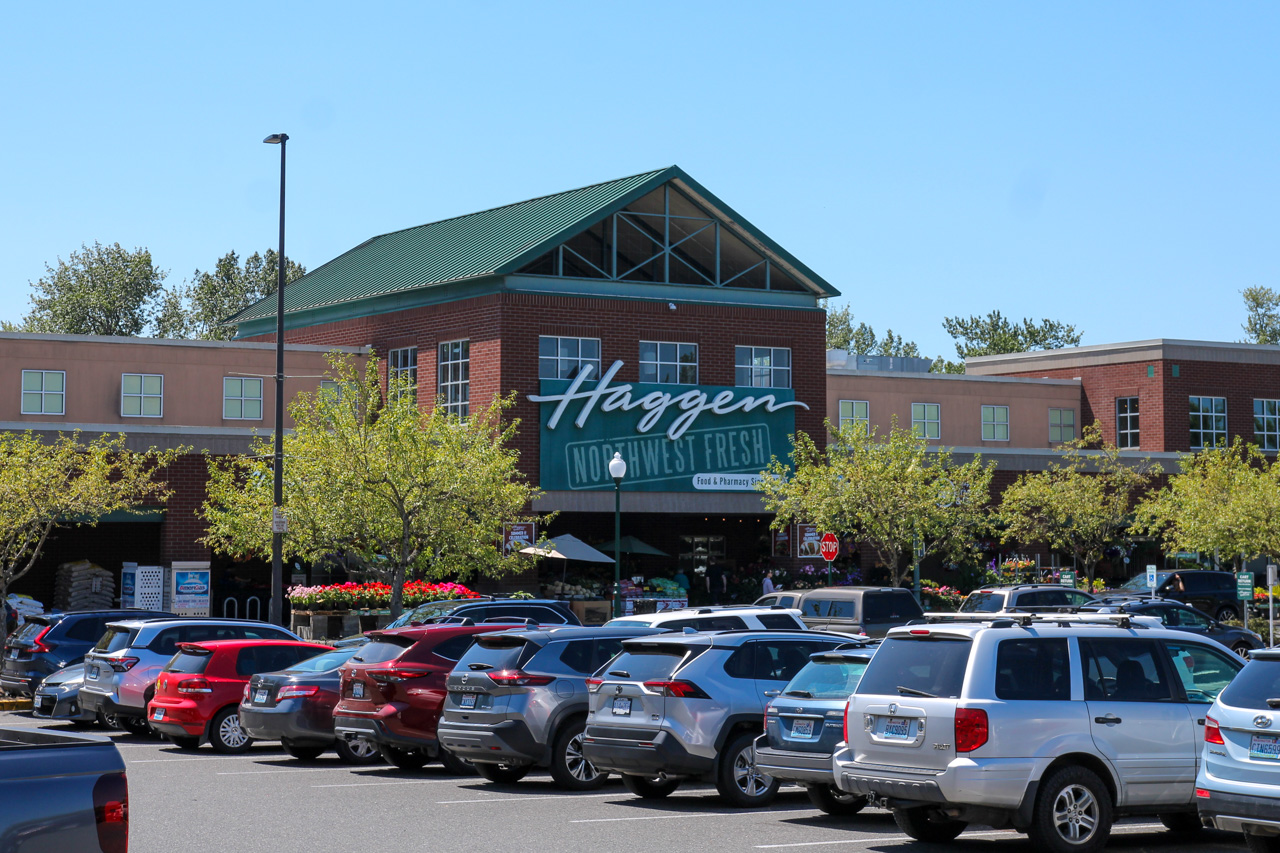
Albertsons, which operates over 200 pharmacies in Washington under brands like Safeway and Haggen, quickly pushed back against the ruling. The company issued a statement expressing its disagreement with the court’s decision and confirming it is reviewing the ruling closely to consider an appeal. We are proud of our pharmacists and their dedication to the patients and communities they serve, the statement read, and we will continue to support our customers and communities across Washington through responsible pharmacy operations.
A Broader Fight for Accountability
The $900 million judgment is part of a larger, multi-year effort by Washington State to hold pharmaceutical companies accountable. Last year, in 2025, the state reached a $100 million settlement with Purdue Pharma and the Sackler family over similar allegations. Since the start of the opioid crisis, the AG’s office says it has recovered more than $2 billion in funding for state and local governments, a significant step toward addressing the long-term economic and social fallout of the epidemic.
However, the fight is far from over. While the funds from these settlements are earmarked for treatment, prevention, and recovery services, experts warn that the underlying drivers of the crisis—such as widespread access to highly addictive drugs and inadequate monitoring systems—require sustained systemic change.
From a legal standpoint, the Albertsons case sets a powerful precedent. It sends a clear message to other corporations that their role in the supply chain of dangerous drugs will be scrutinized. The ruling suggests that pharmacies have a non-delegable duty to be more than just passive dispensers of medication; they are expected to be active gatekeepers, using their expertise and systems to stop suspicious prescriptions from leaving their shelves.
Yet, the devil’s advocate would argue that placing the entire blame on pharmacy chains oversimplifies a deeply complex problem. The opioid crisis was fueled by a confluence of factors: aggressive marketing by pharmaceutical manufacturers, inadequate oversight from regulatory bodies, and prescribers who may have been misled about the risks of addiction. Some might argue that while holding Albertsons accountable is a necessary step, the focus should also shift toward preventing future crises through better education, stricter prescribing guidelines, and more robust mental health support.
What Happens Next?
With the judge’s ruling in place, the immediate question is whether Albertsons will appeal the decision. The company has not indicated a definitive timeline but has made it clear it is reviewing the ruling closely. An appeal could prolong the legal battle for months or even years, delaying the flow of funds to communities in need.
Assuming the judgment stands, the money will be funneled into programs designed to combat the epidemic at its roots. This includes expanding access to medication-assisted treatment (MAT), funding naloxone distribution to reverse overdoses, and supporting prevention programs in schools and community centers. The goal is to turn the financial penalty into a tangible force for healing.
Ultimately, this ruling is a milestone in a long and painful chapter for Washington. It acknowledges the harm caused by corporate negligence and attempts to right a wrong by investing in the future. But for the families who have lost someone, the communities that are still reeling, and the thousands battling addiction every day, the verdict is a reminder that the fight against the opioid epidemic is far from over. It is a battle that requires vigilance, compassion, and a relentless commitment to justice.
Keep reading

Anchorage Police Shoot Burglar Who Fired Gun During Arrest
Anchorage Police Chief Reveals Suspect Stole Hundreds of Keys Before Fatal Shooting On October 29, 2026, a 33-year-old...
S&P 500 Loses $3 Trillion on Fears of AI Regulatory Crackdown
SINGAPORE – Asia's tech-heavy markets face a brutal Friday after a rout in US AI stocks, triggered by...

Alabama Appeals Court to Decide if Panhandling Laws Violate First Amendment
Alabama Fights to Revive Panhandling Bans After Unconstitutional Ruling Alabama is making a legal push to reinstate its...
It’ll affect schools and teachers and part of those families that are working in other industries
"It'll affect schools and teachers and part of those families that are working in other industries that aren't...